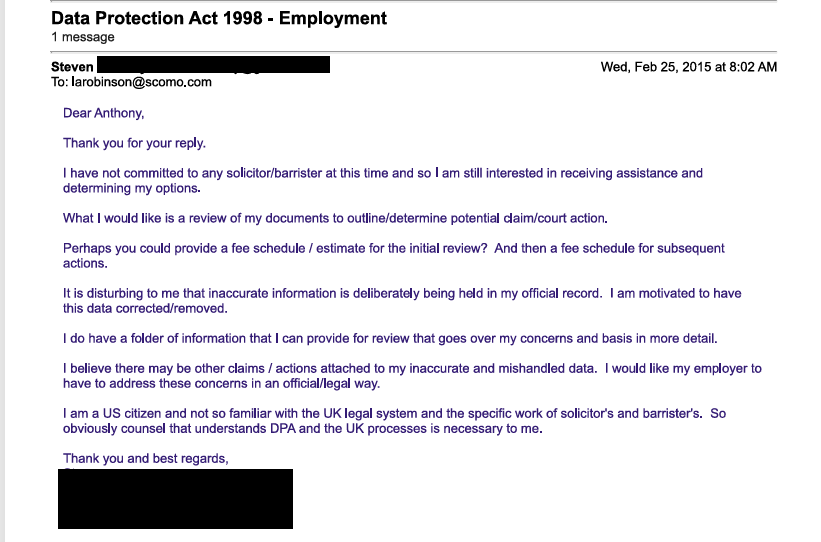
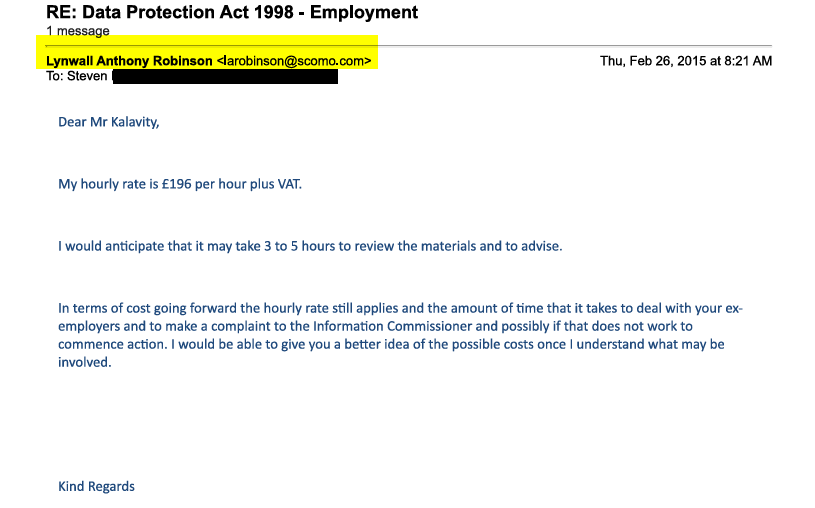
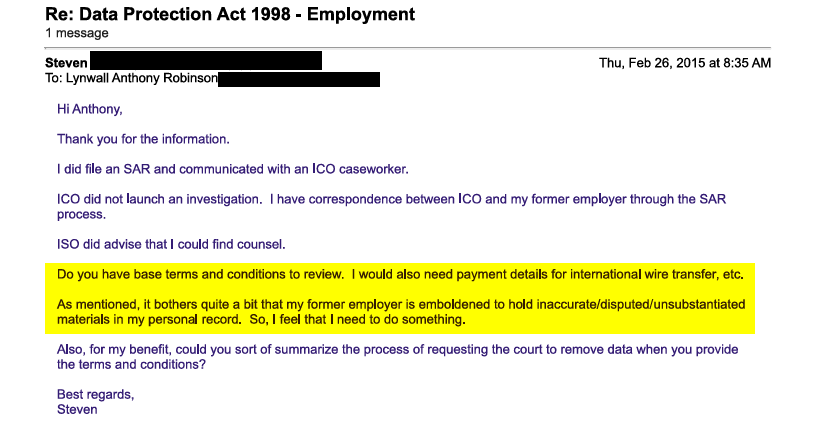
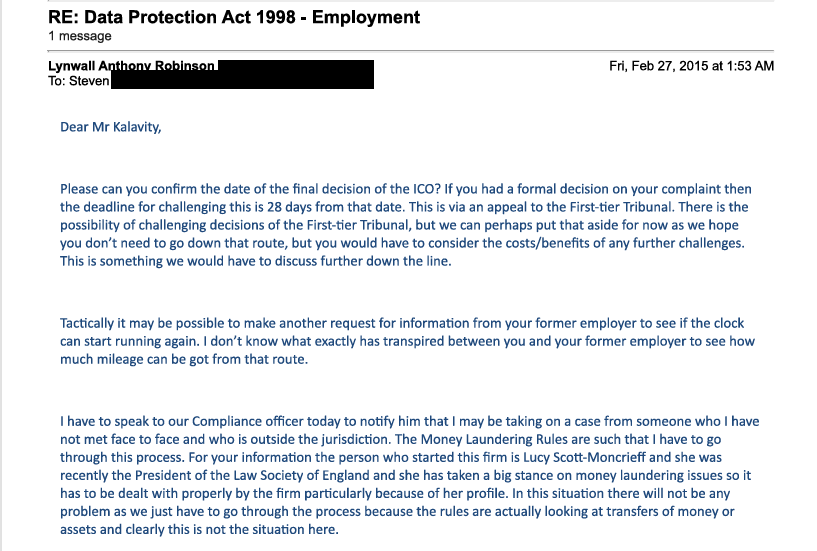
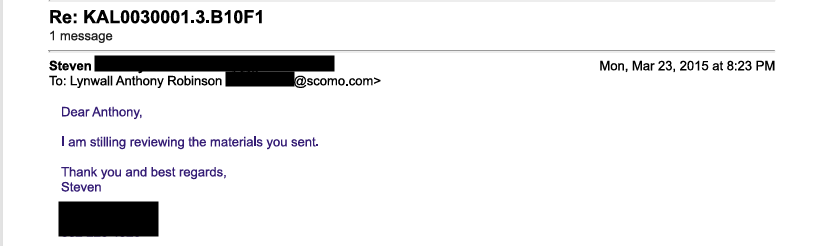
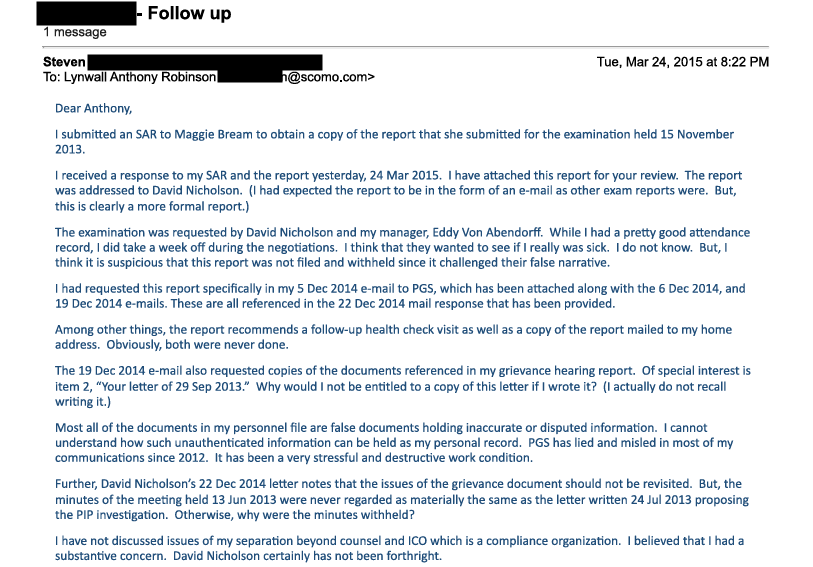
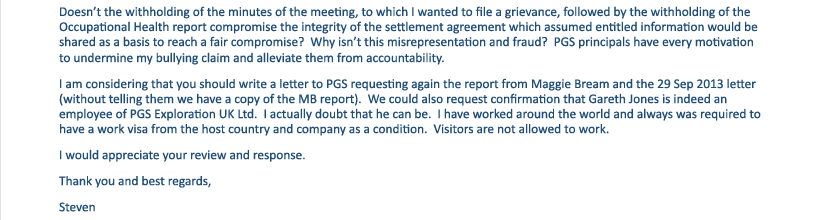
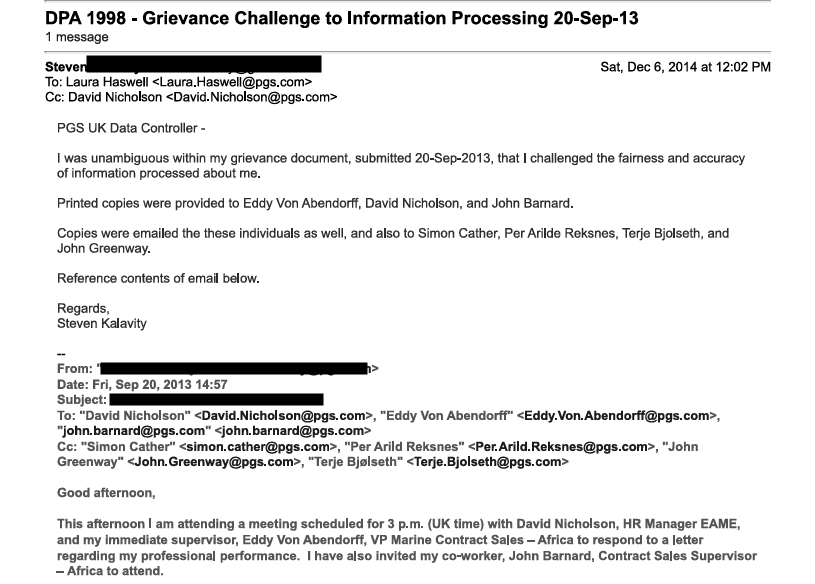
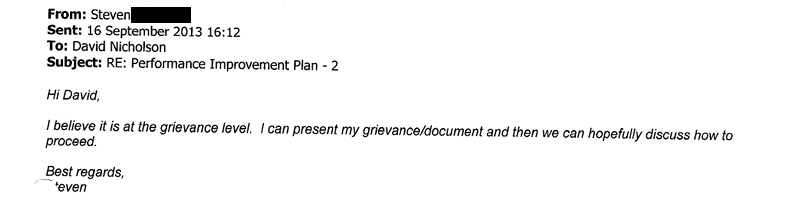
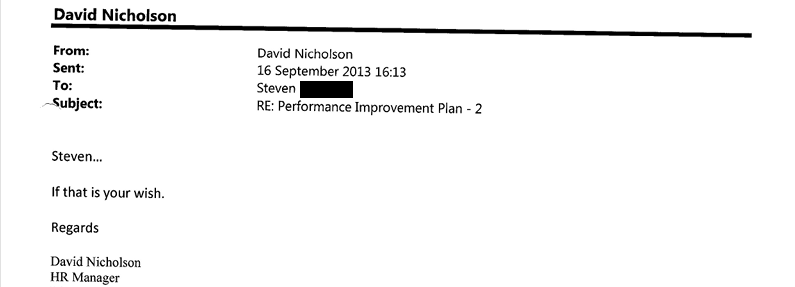
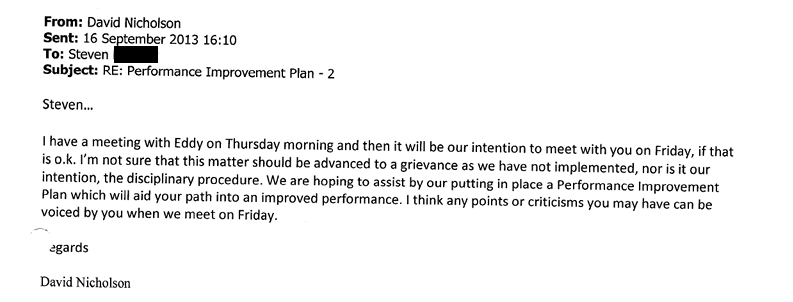
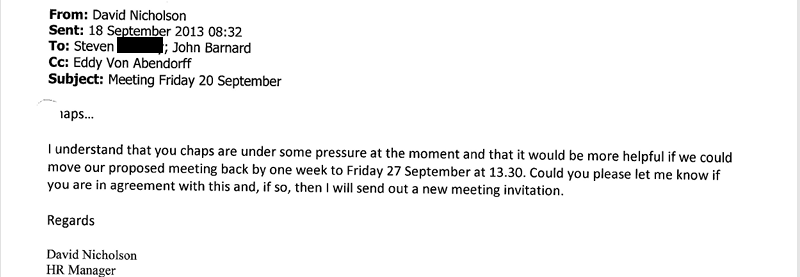
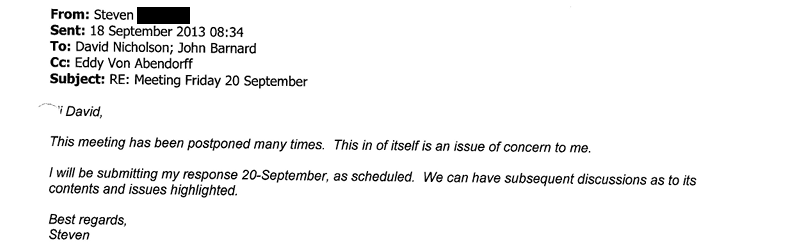
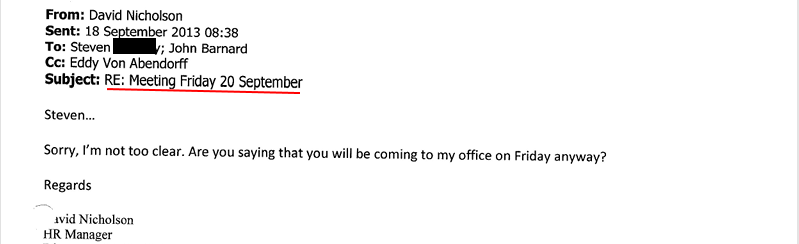
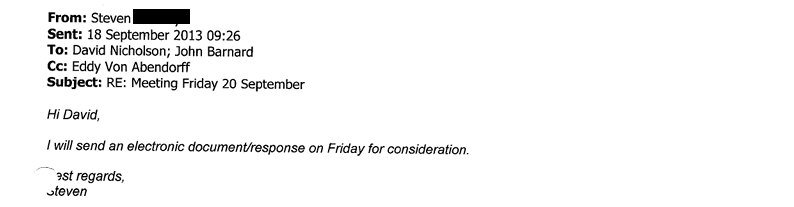
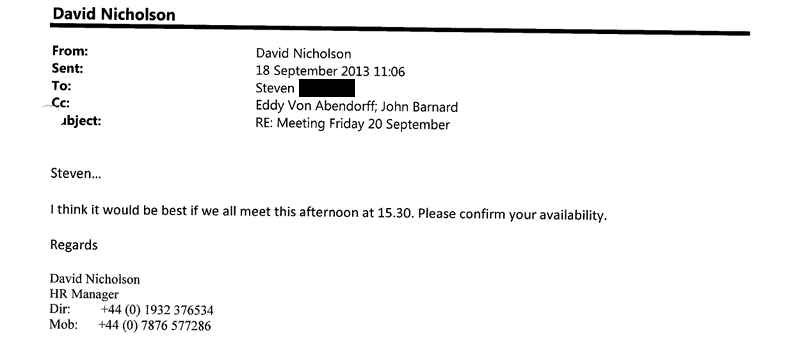
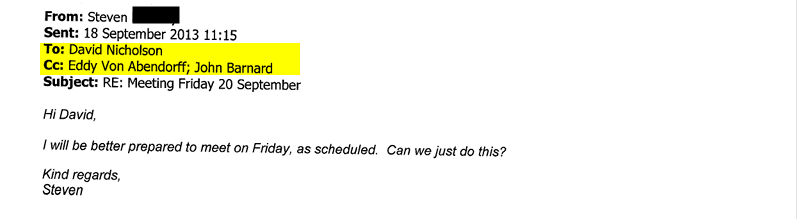
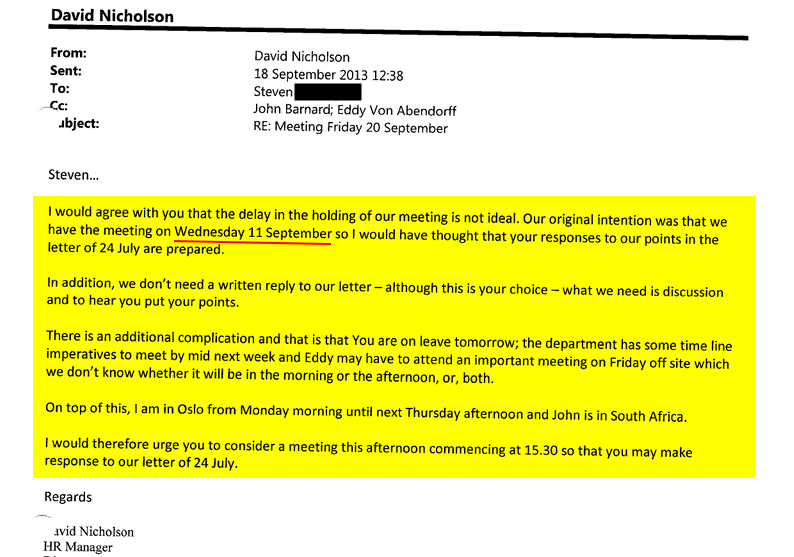
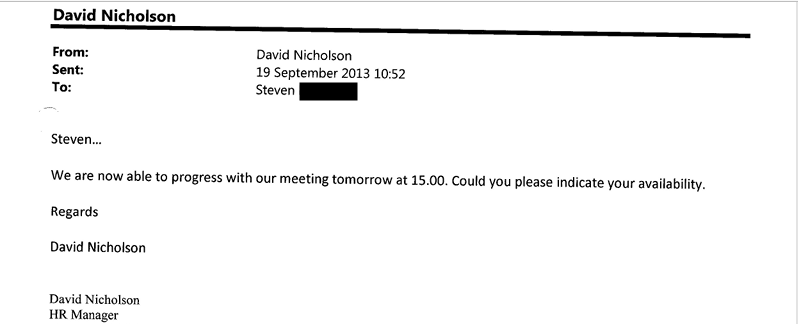
Documented Proof that #Norwegian Company #TGS ASA Participated in the Illegal Retaliation, Conspiracy, Perverting the Course of Justice, and Fraud of a U.S. Citizen Whistleblower
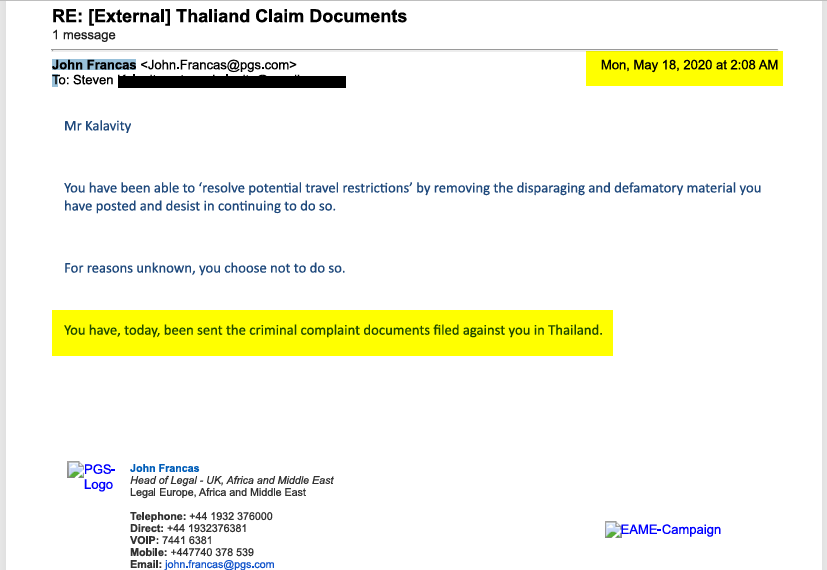
In 2020, travel from the United States to Thailand was highly restricted and essentially barred for general tourism for most of the year due to strict pandemic border controls.
The rules evolved through distinct phases in 2020:
Early Restrictions (January – March 2020)
Initial Screening: Early in the pandemic, travelers from the US were subject to thermal screening at airports and self-monitoring requirements.
The Border Shut Down: On March 26, 2020, the Royal Thai Government declared a nationwide State of Emergency. Shortly after, the Civil Aviation Authority of Thailand (CAAT) issued a complete ban on all international commercial passenger flights entering the country.
The Certificate of Entry (COE) System (April – September 2020)
General tourists from the US were completely banned from entering. Entry was restricted strictly to exempted categories of individuals (such as Thai nationals, diplomats, work permit holders, and spouses/children of Thai citizens). Anyone eligible had to obtain a mandatory Certificate of Entry (COE) from a Thai Embassy or Consulate before booking travel.
Strict Entry Requirements
For the few authorized travelers permitted to fly from the US to Thailand in mid-to-late 2020, the entry requirements were incredibly strict and required:
Mandatory 14-Day Quarantine: Every arrival had to undergo a strict, mandatory 14-day quarantine at an Alternative State Quarantine (ASQ) hotel at their own expense.
A Perverting the Course of Justice Conspiracy Against a Whistleblower
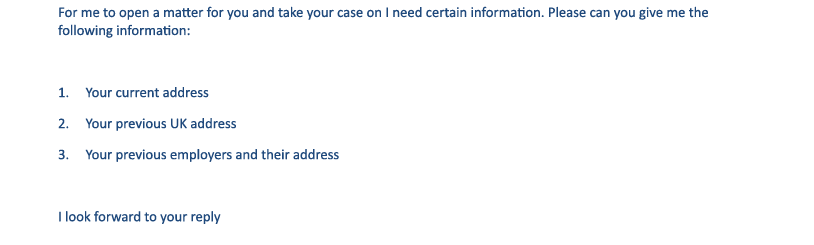
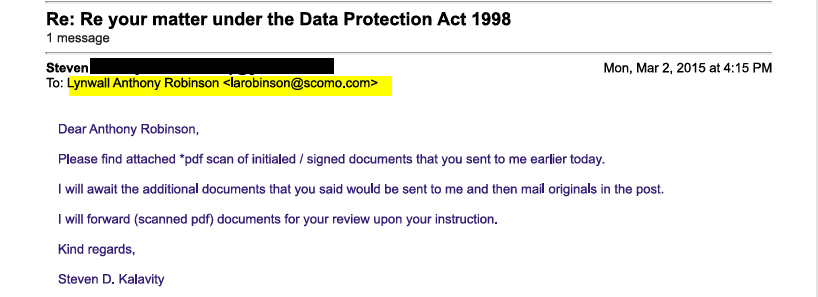
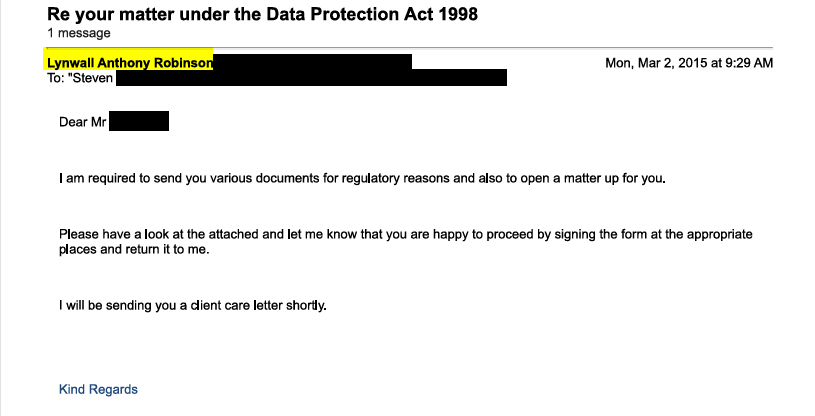
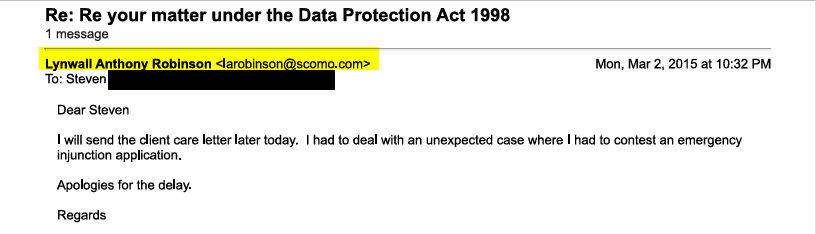
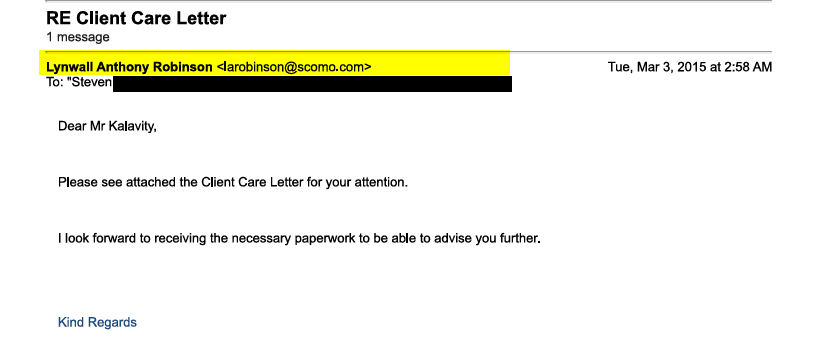
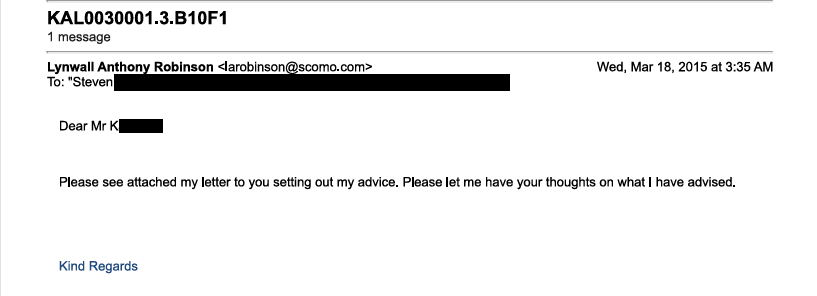
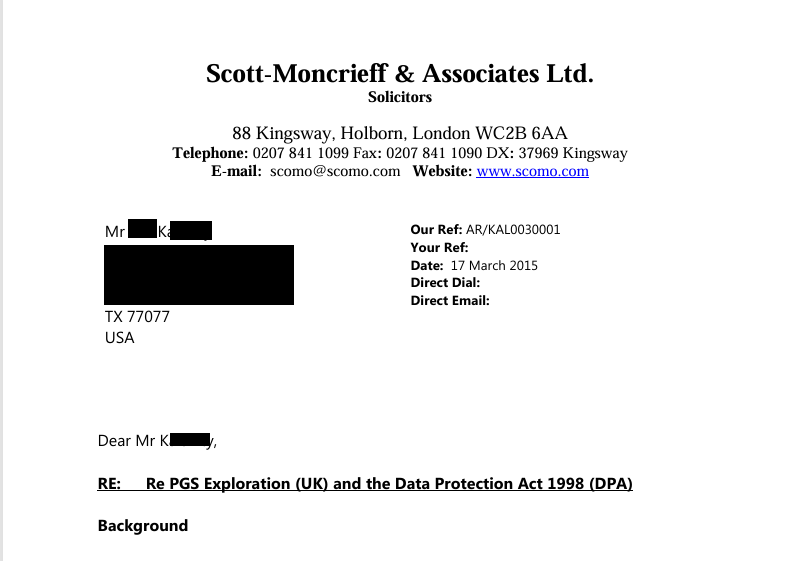
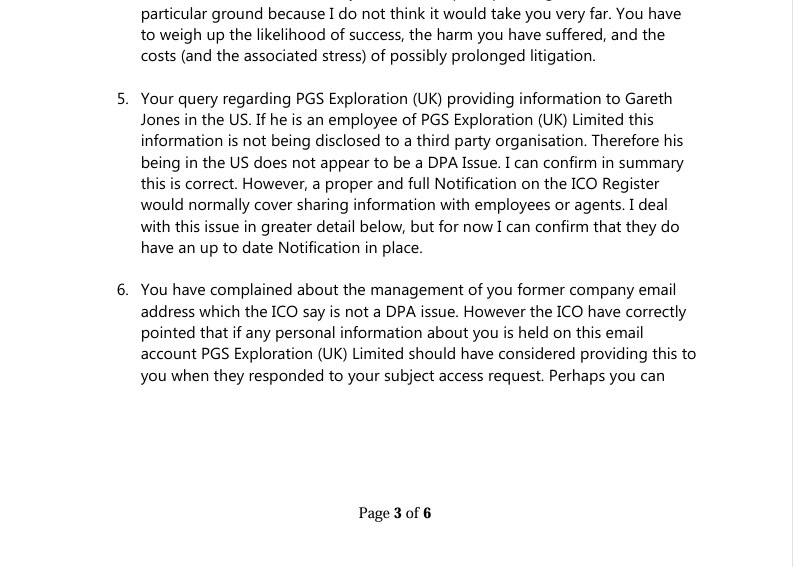
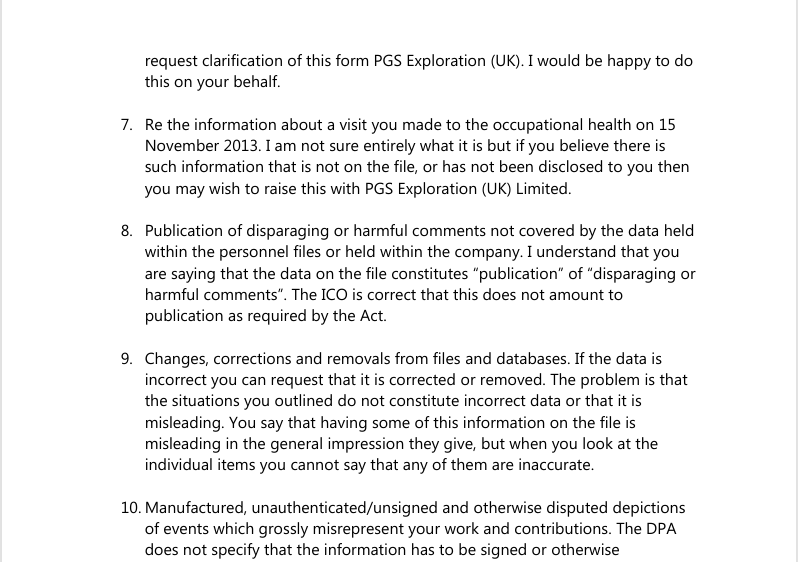
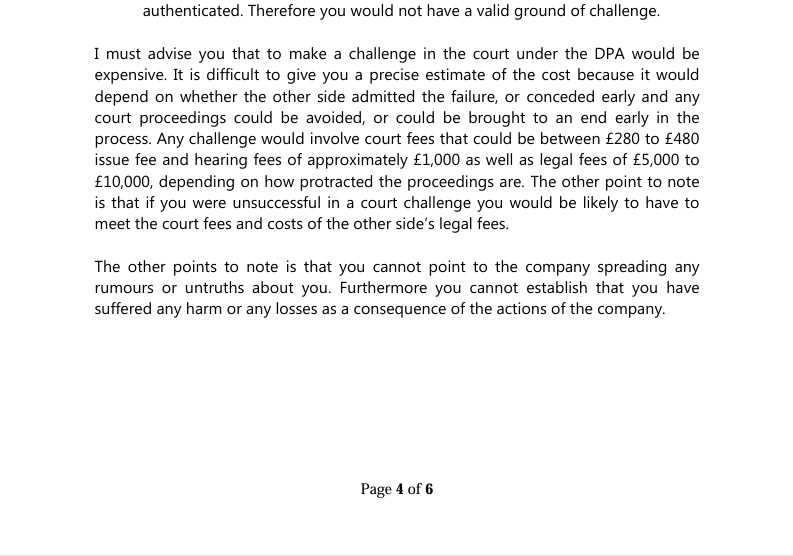
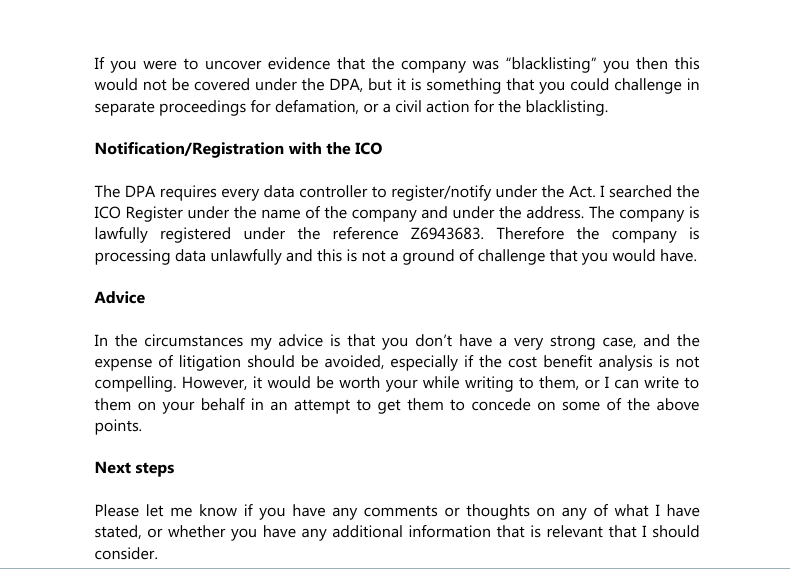
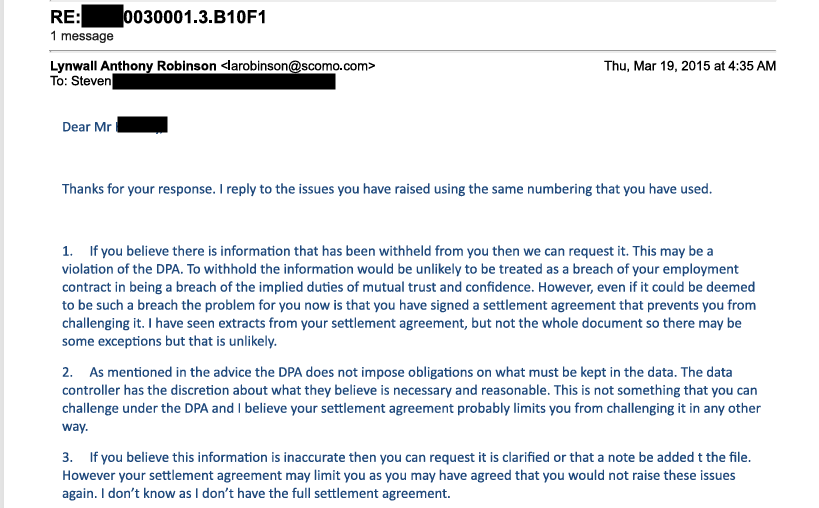
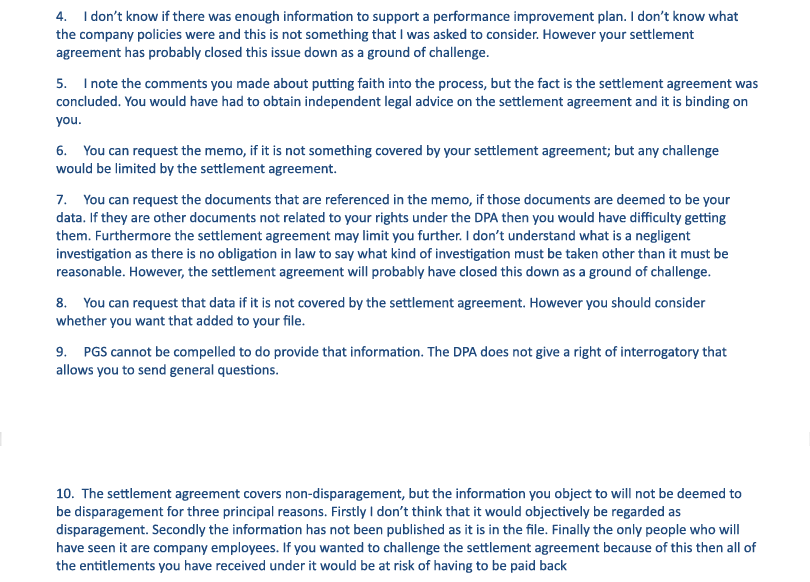
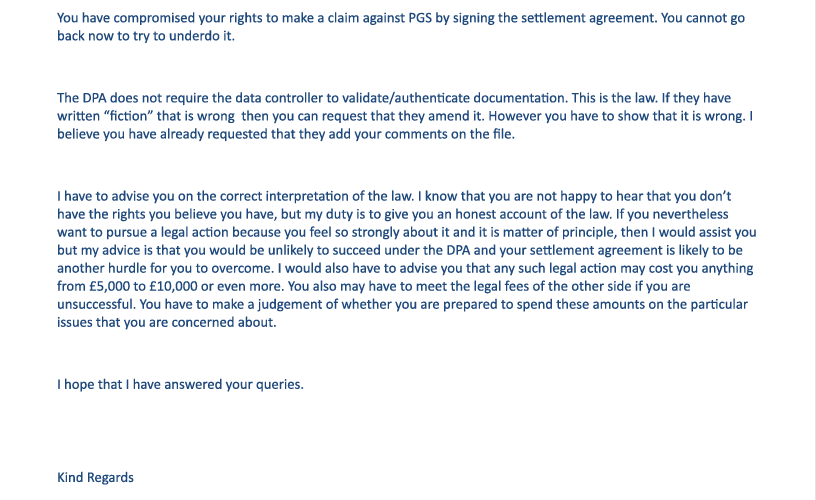
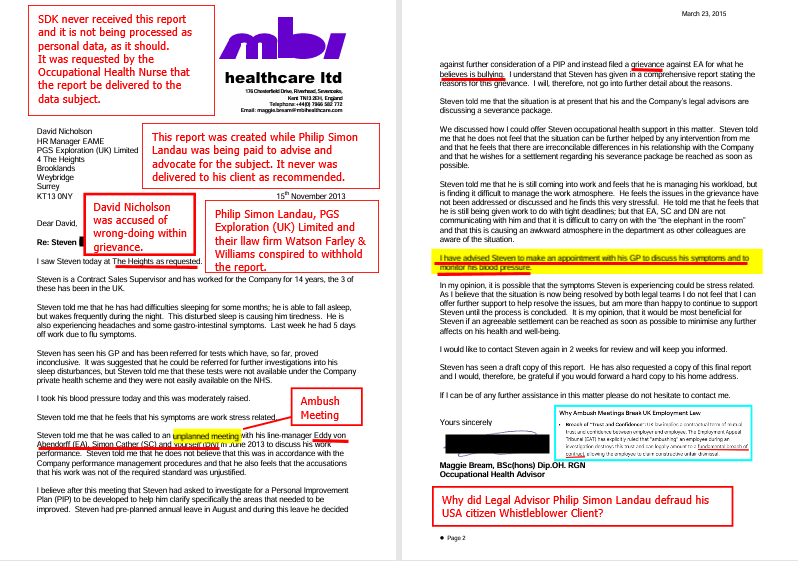
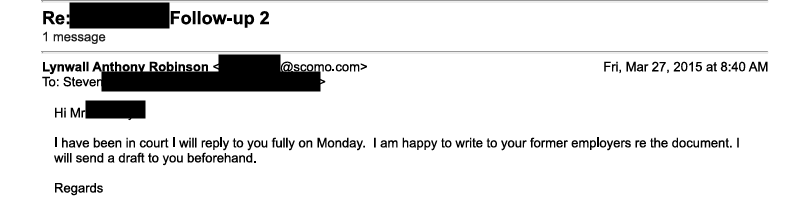
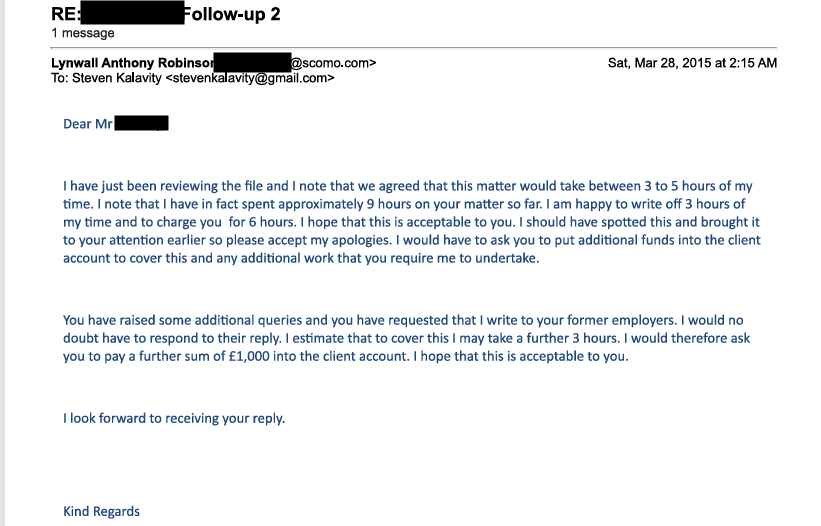
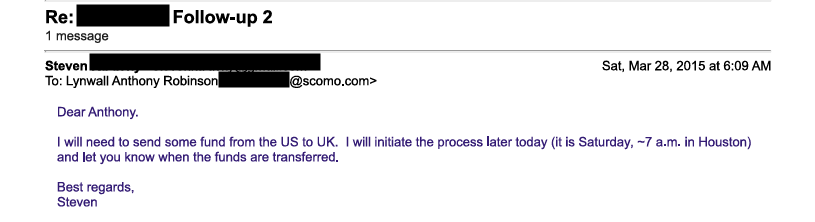
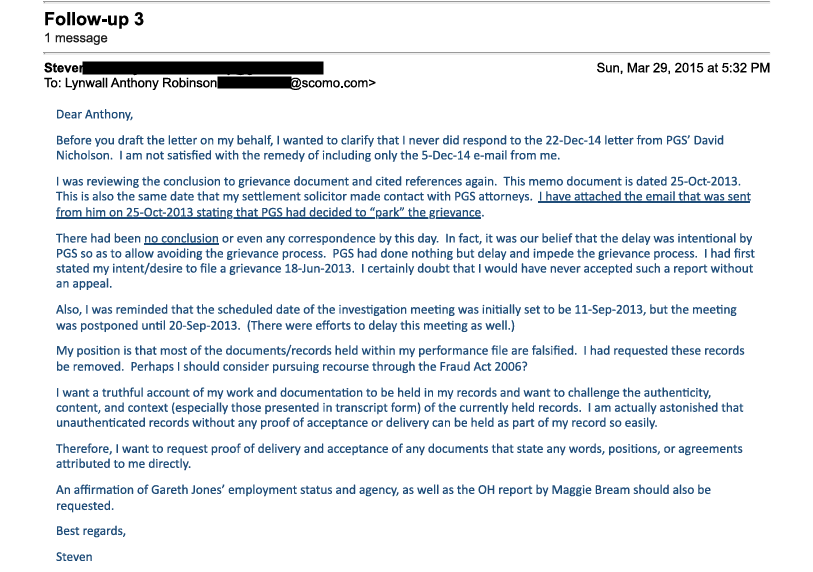
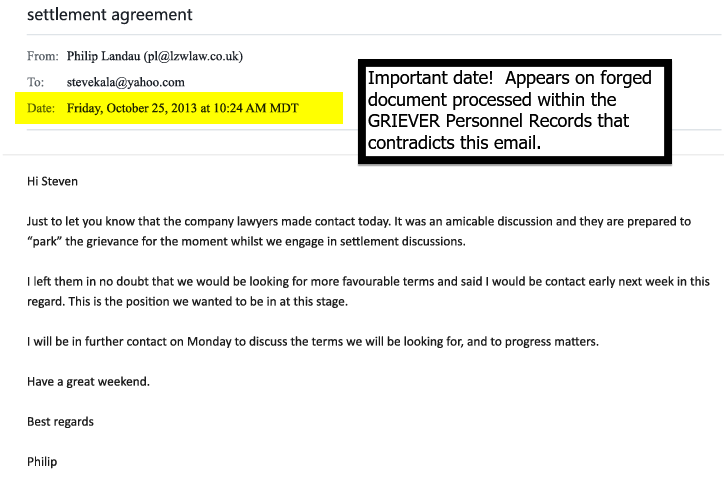
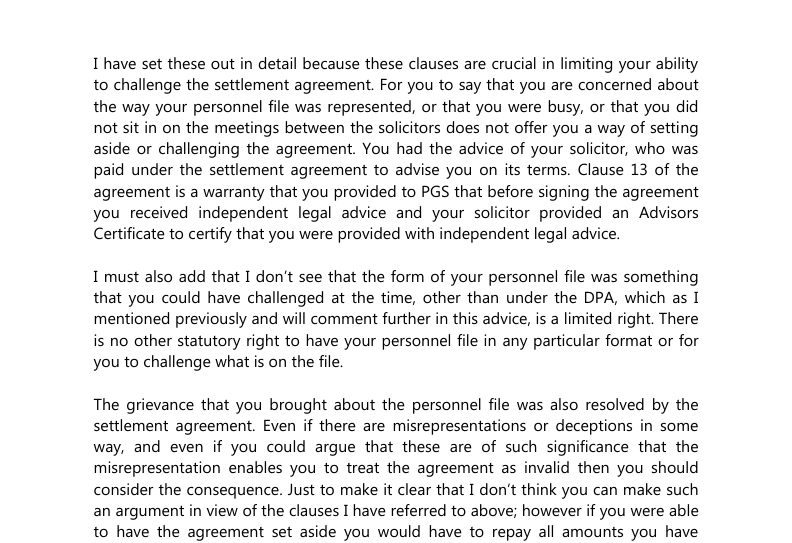
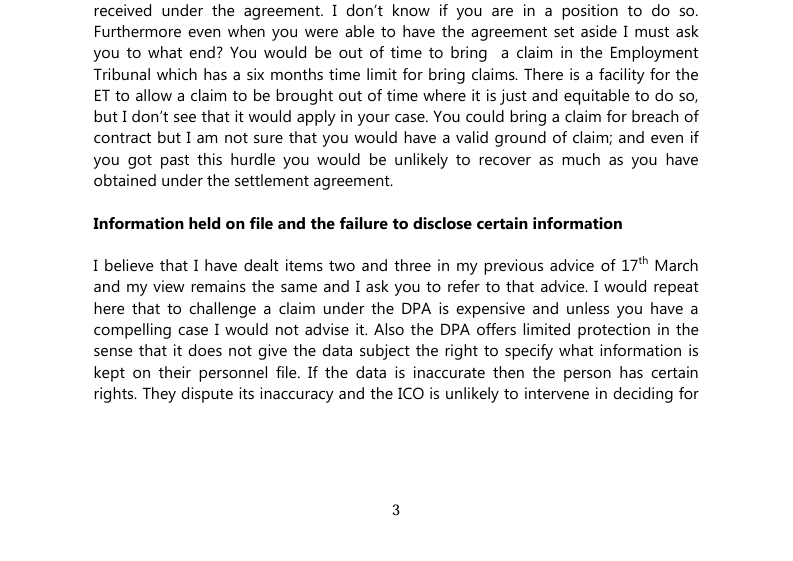
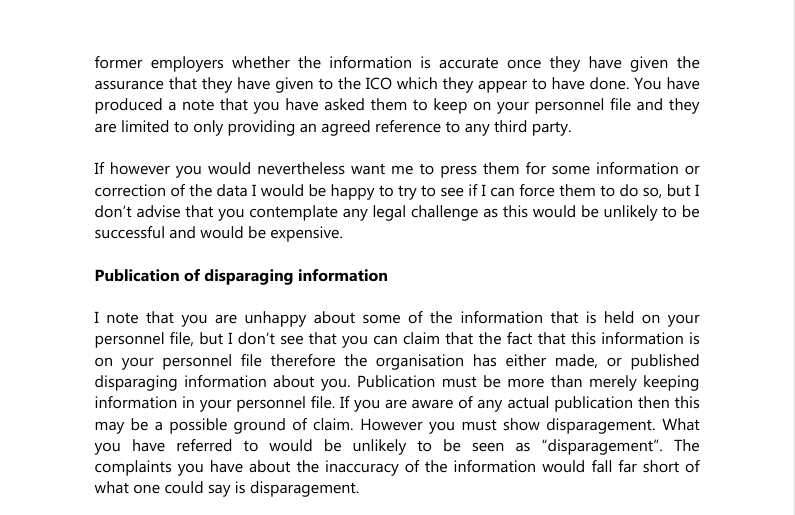
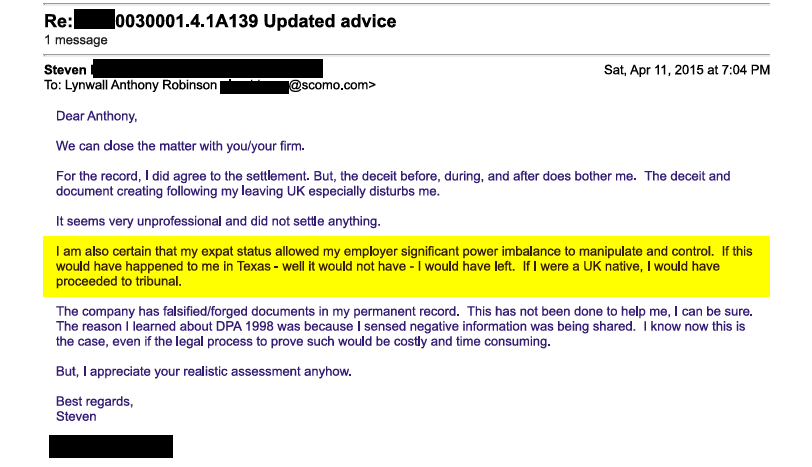
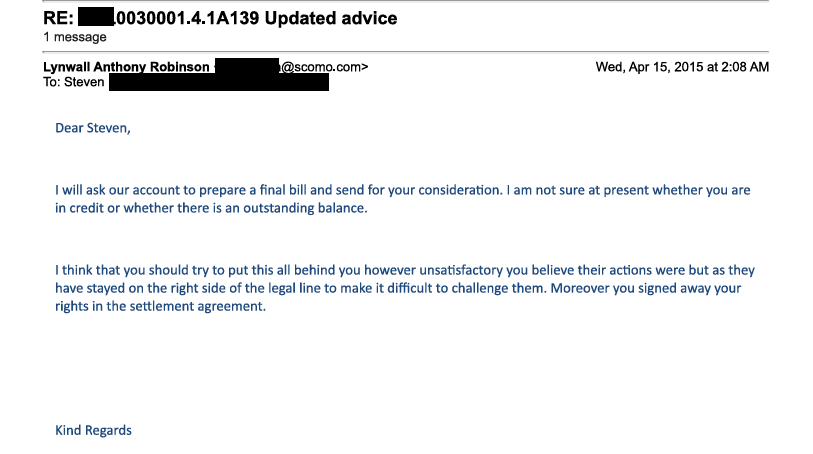
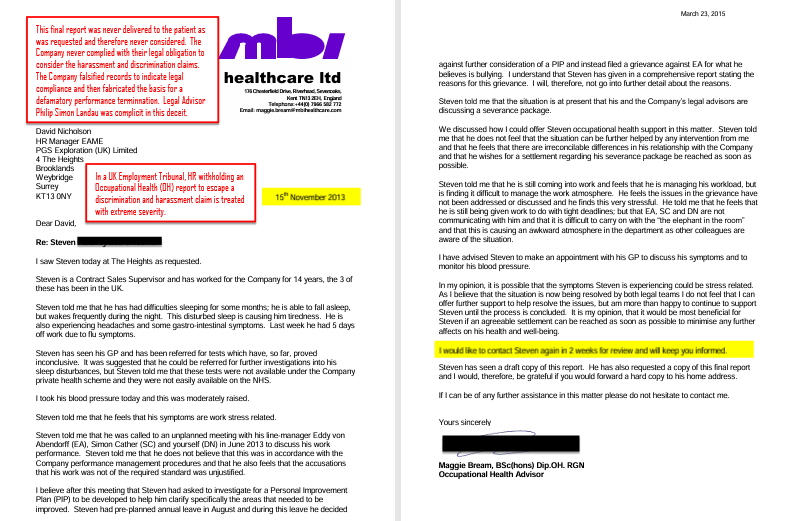
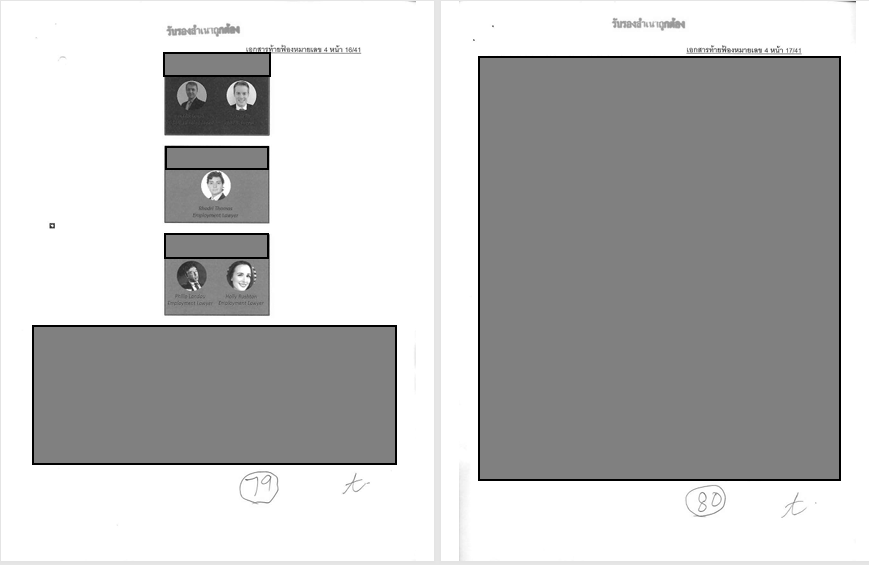
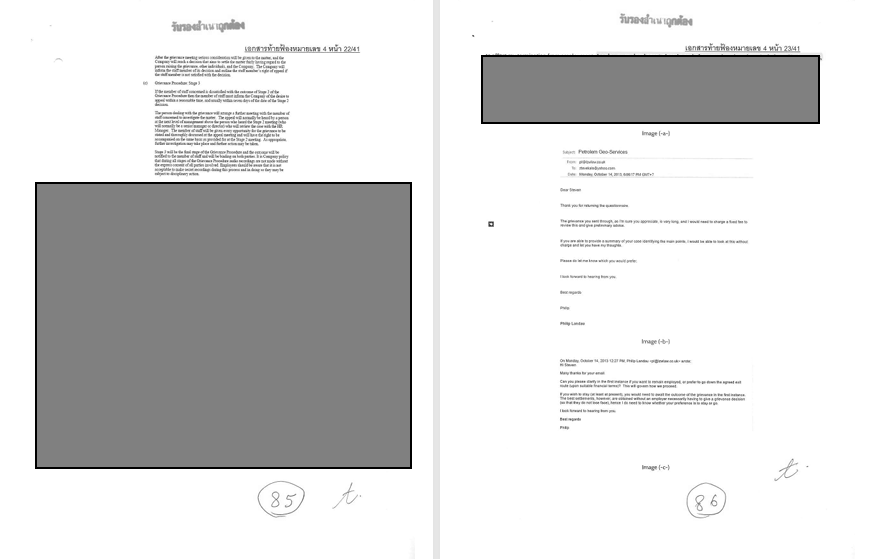
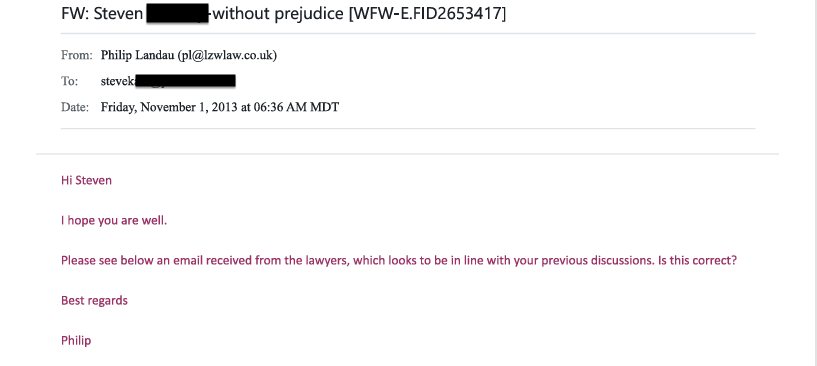
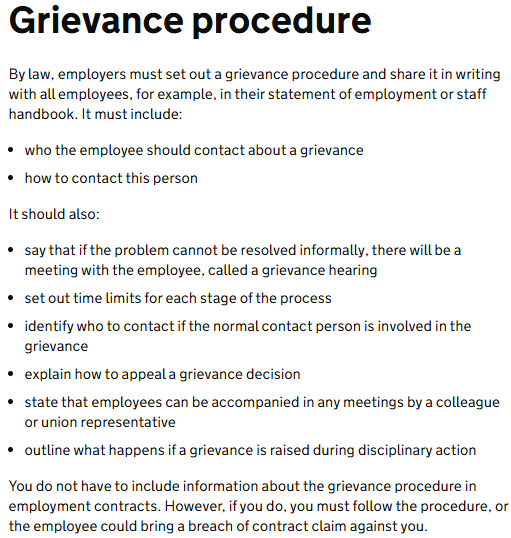
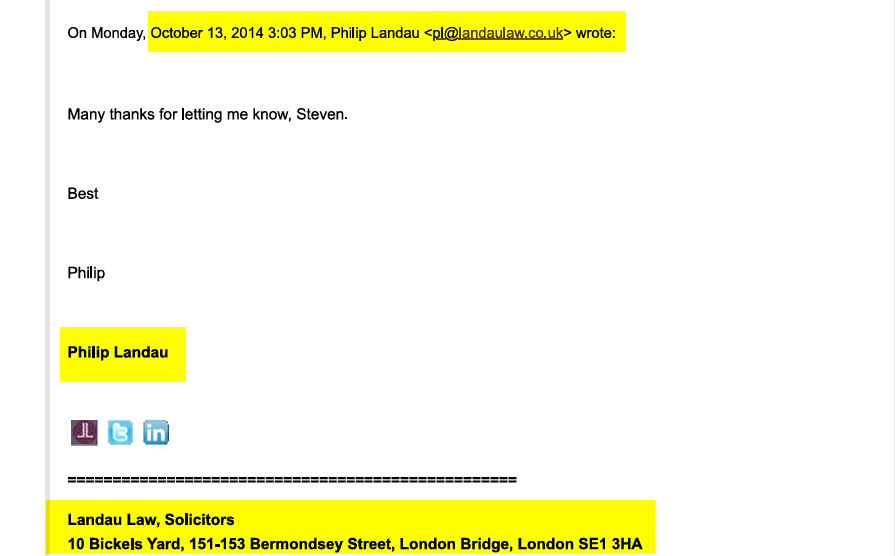
Philip Simon Landau is a London based employment lawyer who advised a USA citizen who was sponsored by a English company on a Tier 2 visa. Philip Simon Landau was contacted to support his USA citizen client through the legally mandated Grievance Procedure. The Form of the Grievance was whistleblowing. Philip Simon Landau broke the law. Philip Simon Landau did not proceed through the grievance process but instead conspired to defraud his Client. Philip Simon Landau participated in the retaliation by ignoring his legal obligation and advancing a performance based termination. Philip Simon Landau gave his US client illegal advice. About a year after the coerced signing of the Philip Simon Landau advised on termination settlement contract a subject access request (SAR) was submitted to the English employer and Tier 2 sponsor. Philip Simon Landau has conspired the creation of forged, inaccurate, and defamatory documents to support a performance based termination but ignore documented claims (within the Grievance) of misuse of the performance management system (defamation), bullying / harassment, discrimination, and health and safety concerns. Philip Simon Landau also ignored a critical Occupational Health Nurse report. This report which recommended a visit with a doctor to assess the affects of the toxic workplace was withheld from his Client while engaged! Philip Simon Landau placed the health and safety of Philip Simon Landau‘s Client along with his spouse and two children. Philip Simon Landau illegally retaliated and protected for personal gain the perpetrators of workplace violence and thus .Philip Simon Landaualong with his co-conspirators has been desperately trying to escape justice and accountabilty in the English justice system.
Steven D. Kalavity Email: stevenkalavity@gmail.com
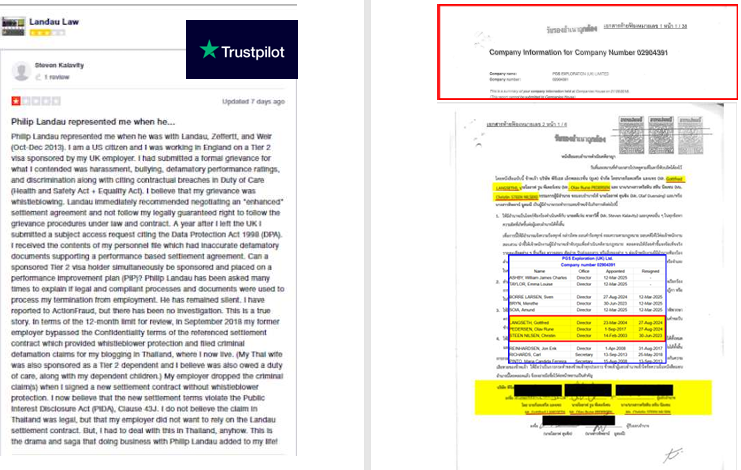
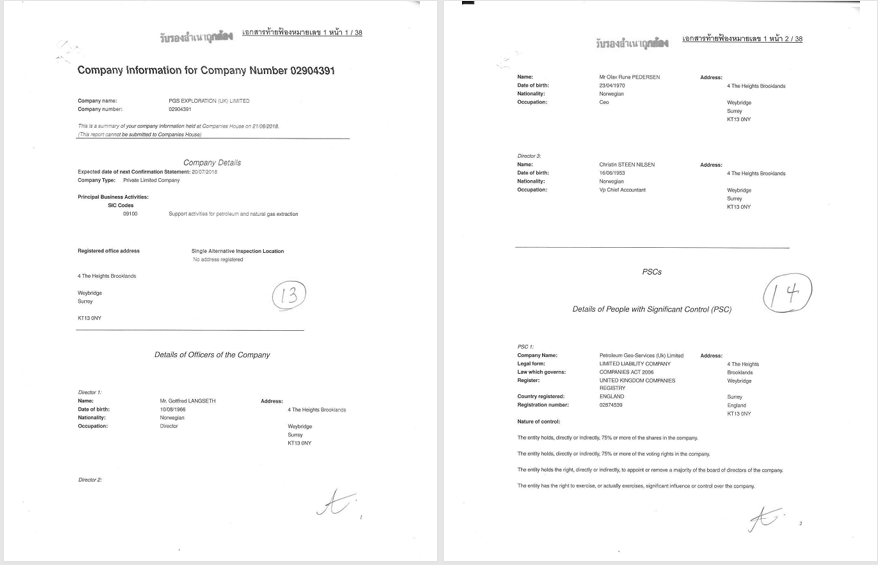
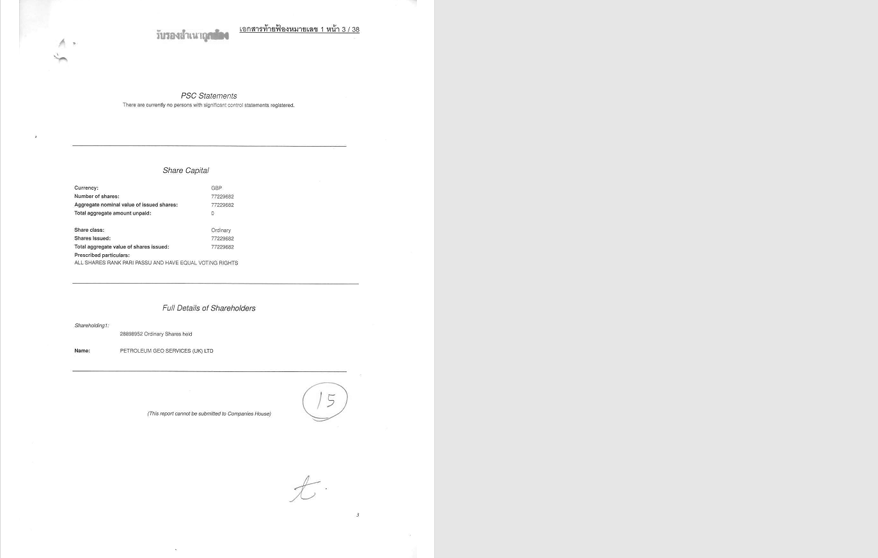
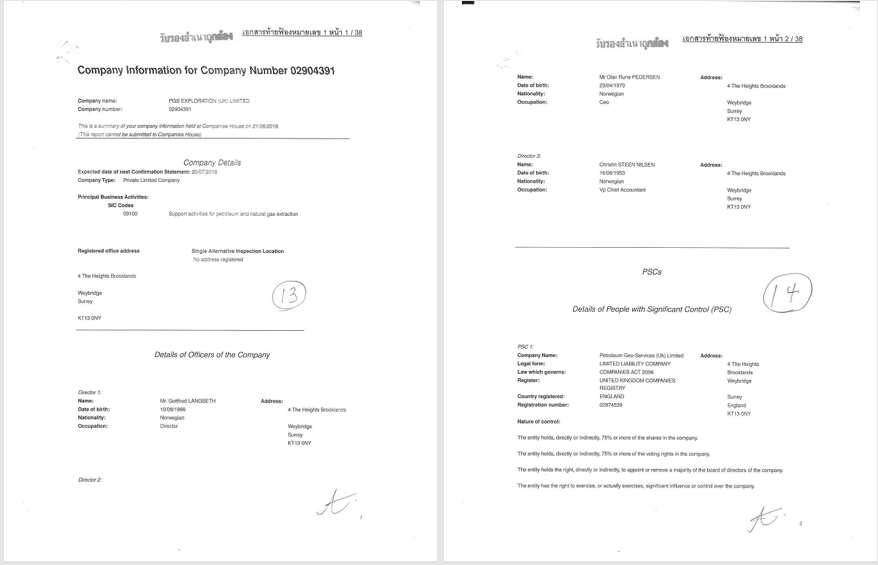
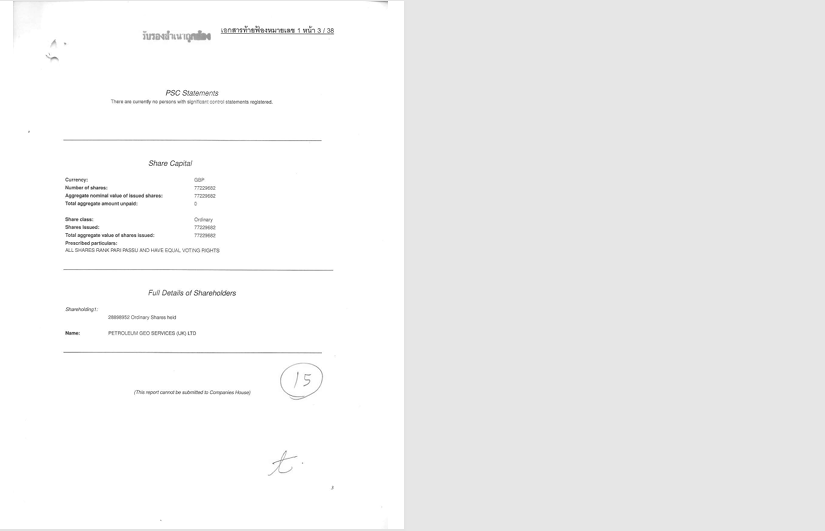
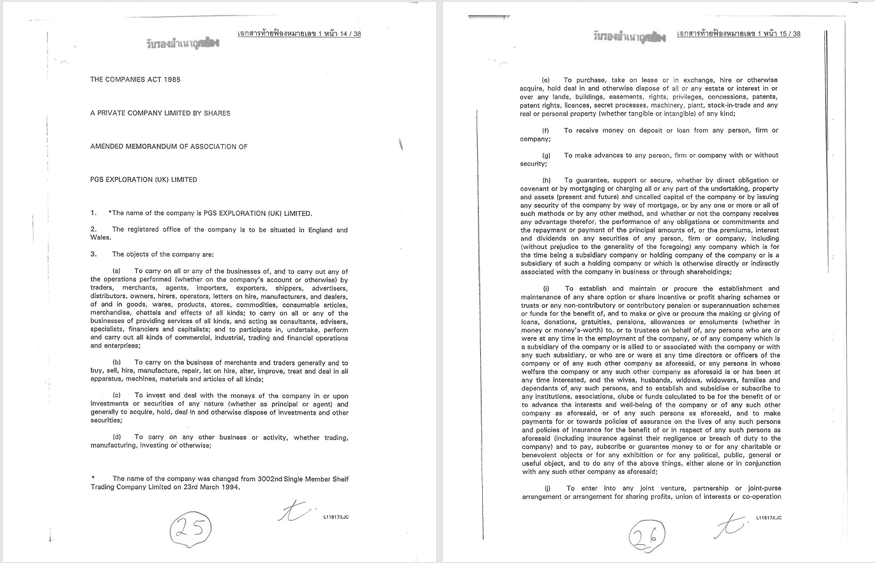
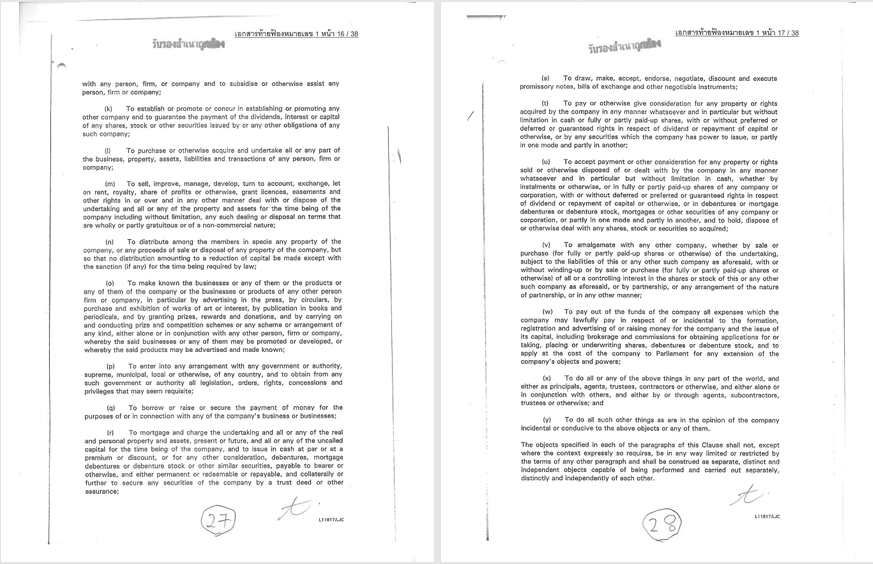
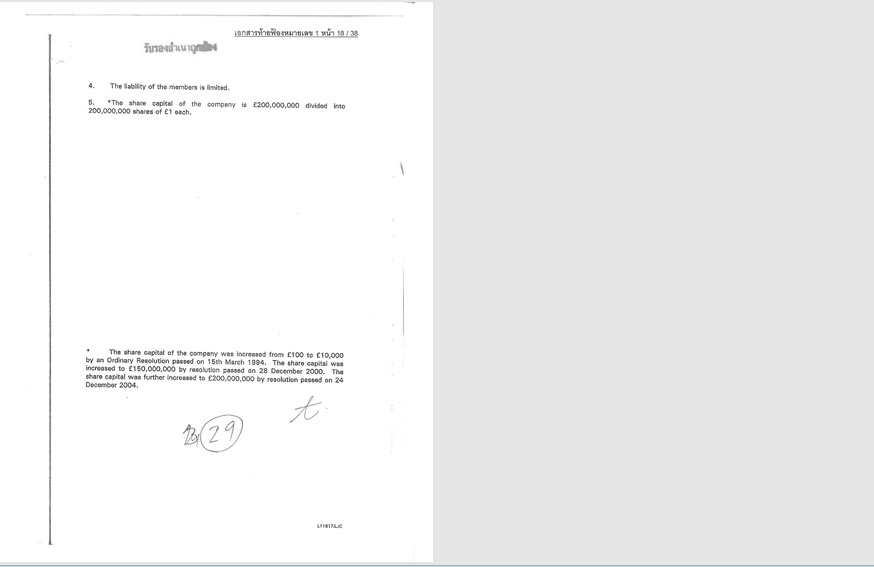
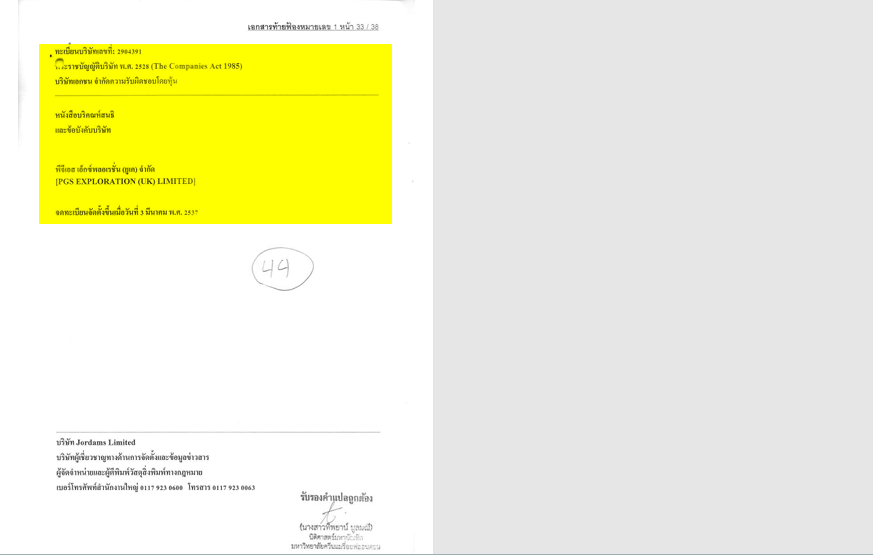
RE: PGS EXPLORATION (UK) LIMITED 4 The Heights, Brooklands, Weybridge, Surrey, KT13 0NY ENGLAND Company number 02904391
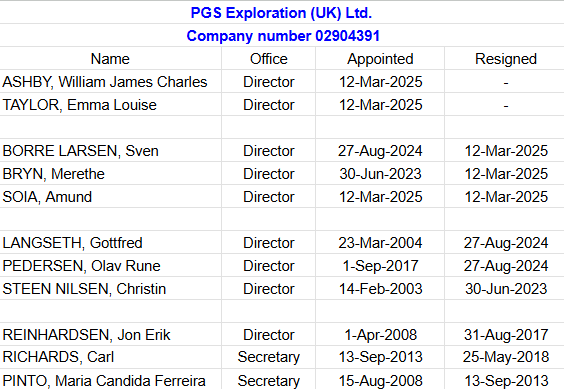
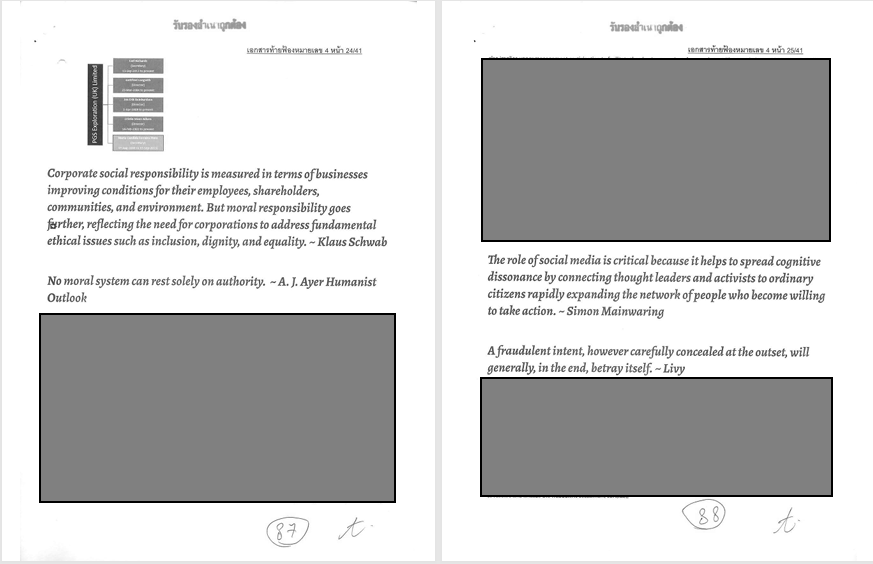
COMPANY OFFICERS:
Director Rune Olav PEDERSEN 01 September 2017 – present Nationality: Norwegian Country of residence: Norway Occupation: Chief Executive Officer (CEO) PGS ASA
Director Gottfred LANGSETH 23 March 2004 – present Nationality: Norwegian Country of residence: Norway Occupation: Chief Financial Officer (CFO) PGS ASA
Director Merethe BRYN 30 June 2023 – present Nationality: Norwegian Country of residence: Norway Occupation: Vice President (VP) Global Tax PGS ASA
Director Christin STEEN NILSEN 14 February 2003 – 30 June 2023 Nationality: Norwegian Country of residence: Norway Occupation: Vice President (VP) Chief Accountant PGS ASA
Director Jon Erik REINHARDSEN 1 April 2008 – 31 August 2017 Nationality: Norwegian Country of residence: Norway Occupation: Chief Executive Officer (CEO) Petroleum Geo-Services (PGS) ASA
Secretary Carl RICHARDS 13 September 2013 – 25 May 2018 Occupation: Head of Legal PGS Europe Africa Middle East
Secretary Maria Candida Ferreira PINTO 15 August 2008 – 13 September 2013 Occupation: Head of Legal PGS Europe Africa Middle East
PRINCIPAL CONTACT John FRANCAS Head of Legal – UK, Africa and Middle East 4 The Heights, Brooklands, Weybridge, Surrey, KT13 0NY ENGLAND
PGS EXPLORATION (UK) LIMITED is a company located and registered in England. As such, PGS EXPLORATION (UK) LIMITED is governed by the laws of England and must conduct legal business within the constraints of the laws of England.
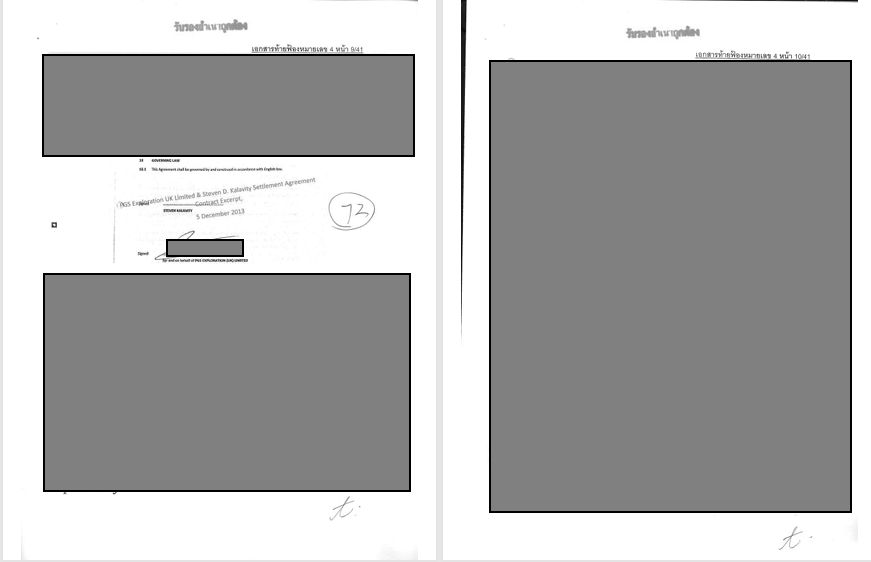
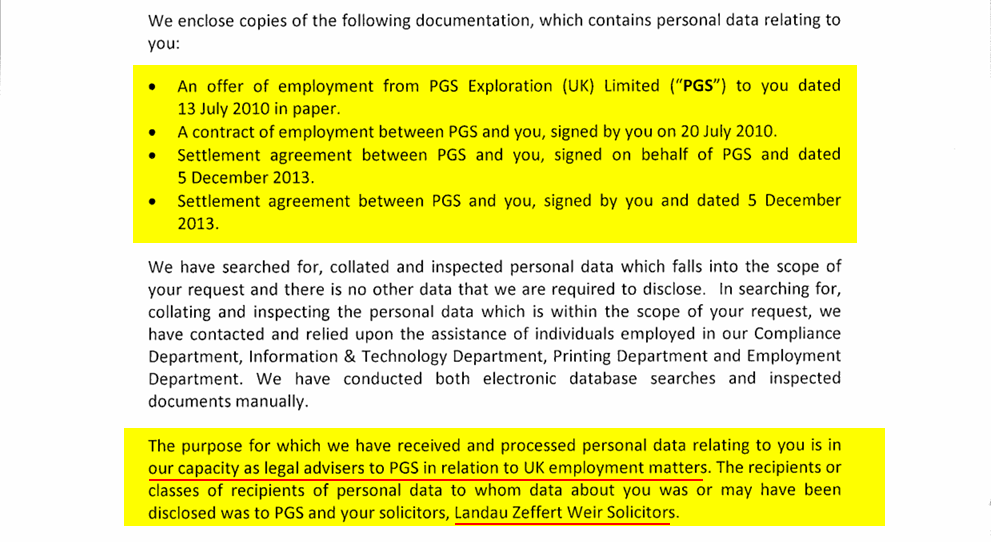
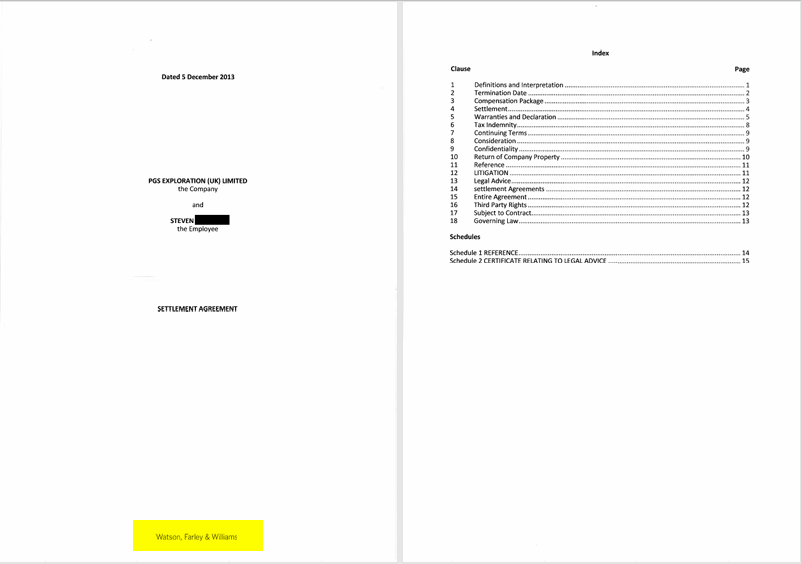
1) Employment Contract, signed 20 July 2010 (EC). 2) Employment termination settlement contract, signed 5 December 2013 (the “Settlement”).
Global law firm Watson Farley & Williams, London (WFW) serve as legal advisors to PGS EXPLORATION (UK) LIMITED in relation to UK employment law. WFW also has a branch in Thailand at Unit 902, 9th Floor, GPF Witthayu Tower B, 93/1 Wireless Road, Lumpini, Patumwan Bangkok 10330, Thailand.
The laws of England provide all of the legal avenues for PGS EXPLORATION (UK) LIMITED to seek damages for any breach of the EC and Settlement Confidentiality terms, such as publication of content that disparages PGS EXPLORATION (UK) LIMITED or any of its officers or employees.
The main point that PGS EXPLORATION (UK) LIMITED and their agent Duensing – Kippen fail to address is what becomes of the terms and conditions of the EC and Settlement once the claim in Thailand is resolved? If PGS EXPLORATION (UK) LIMITED and WFW have violated English laws or regulations, both would be accountable for these violations in England because they are English companies. A Thailand court cannot change this.
SDK wants to take responsibility for his actions. SDK has always believed that such responsibility must adhere to the signed contracts governed by the laws of England which defines the legal relationship between PGS EXPLORATION (UK) LIMITED and SDK.
The signed contracts between PGS EXPLORATION (UK) LIMITED and SDK already prohibit and provide avenues of redress for, if any, SDKs disparaging publications, just as SDK informed Duensing – Kippen within our first correspondence in 2018. The exception are publications that expose qualifying conditions, as defined by the UK Public Interest Disclosure Act 1998 (PIDA). Whistleblowing is legally protected disclosure. SDK informed Duensing – Kippen that he was a whistleblower by email 17 May 2018.
The EC references the PGS UK OFFICE PERSONNEL HANDBOOK which states:
1 PART I – GENERAL INFORMATION 1.1 Introduction
The laws governing the policies within this Handbook are those of England and Wales, although Scottish law will prevail in the case of the offices in Scotland and Dutch law will prevail in the case of offices in The Netherlands. The information provided in this Handbook is subject to any legislative changes that take place. … 2.9 Confidentiality … This restriction shall continue to apply after the termination of a member of staff’s employment without limit in point of time but, both during employment and after its termination, shall cease to apply to information ordered to be disclosed by a court or tribunal of competent jurisdiction or otherwise required to be disclosed by law or to information which becomes available to the public generally (other than by reason of the member of staff breaching this confidentiality obligation). Nothing in this paragraph 2.9 will prevent a member of staff making a “protected disclosure” within the meaning of the Public Interest Disclosure Act 1998 where they are lawfully entitled to do so. … (i) any other information in respect of which the Company is bound by an obligation of confidence owed to a third party, in particular the content of discussions or communications with any prospective customers or prospective business partners. Each member of staff also agrees that he/she will not, during the course of his/her employment or at any time thereafter either make or publish, or cause to be made or published, to anyone in any circumstances any statement (whether of fact, belief or opinion) which directly or indirectly disparages, is harmful to or damages the reputation or standing of the Company or any of its directors, officers, employees, agents or shareholders.
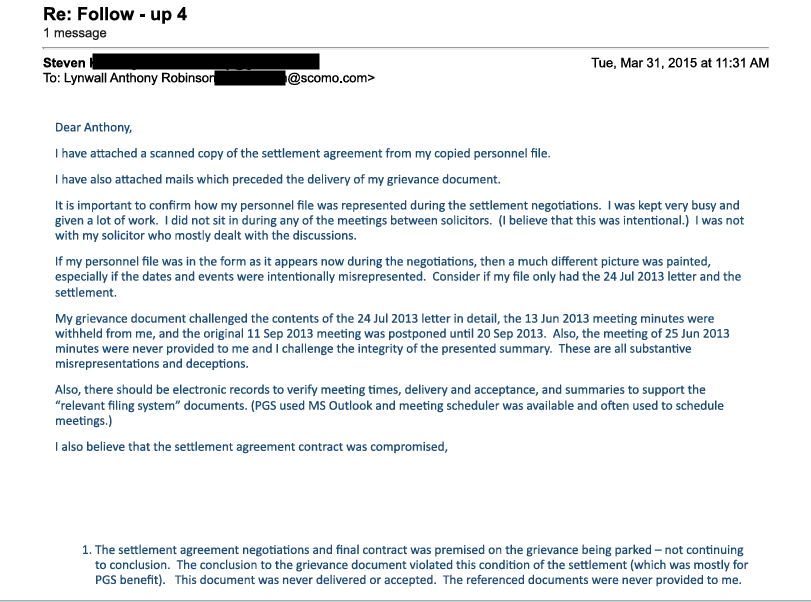
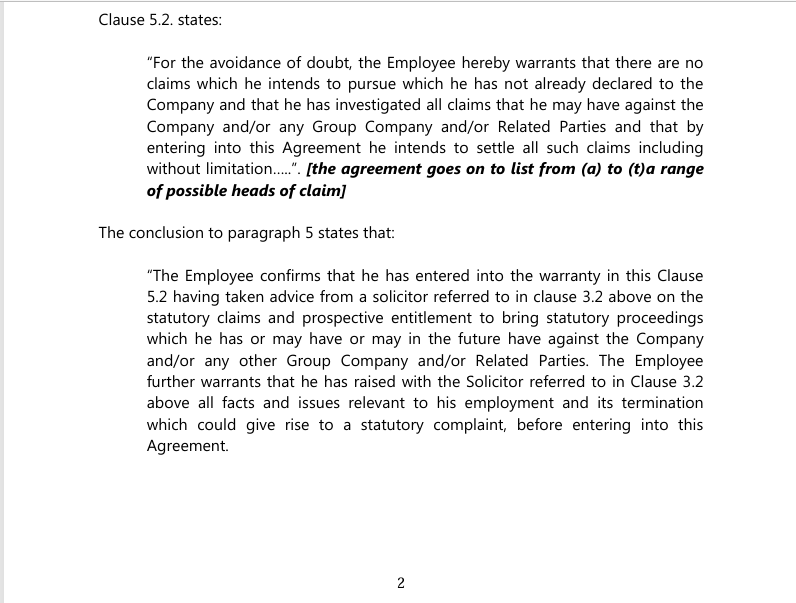
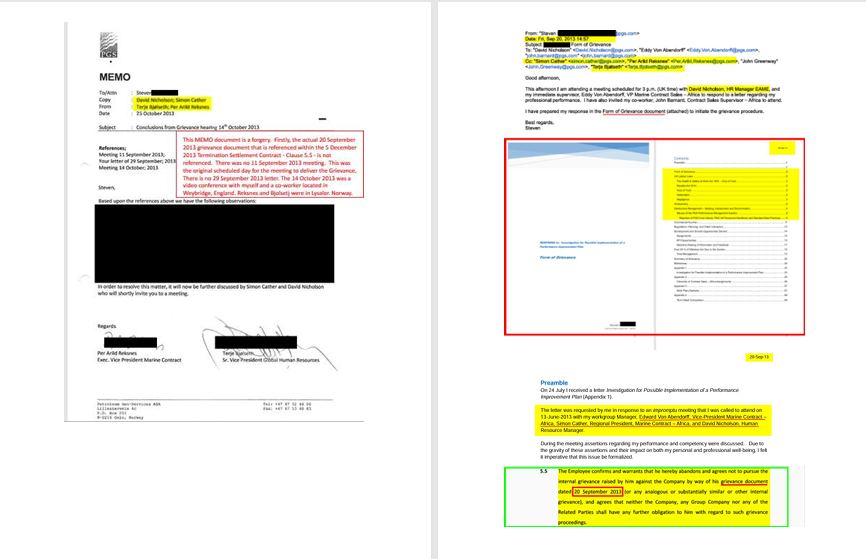
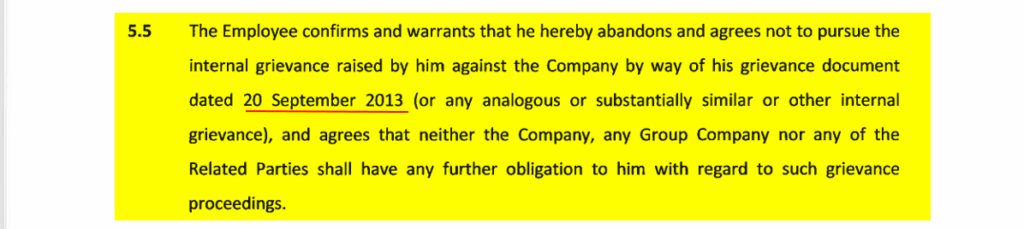
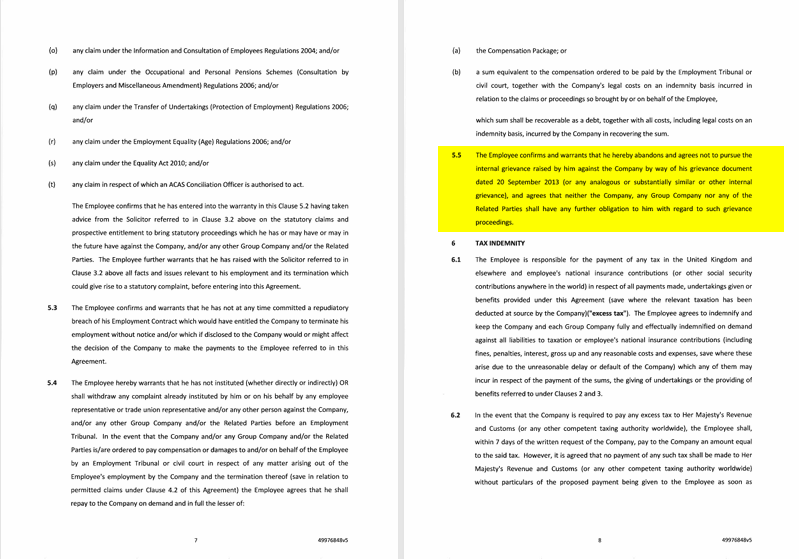
5.5. The Employee confirms and warrants that he hereby abandons and agrees not to pursue the internal grievance raised by him against the Company by way of his grievance document dated 20 September 2013 (or any analogous or substantially similar or other internal grievance), and agrees that neither the Company, any Group Company nor any of the Related Parties shall have any further obligation to him with regard to such grievance proceedings.
…..
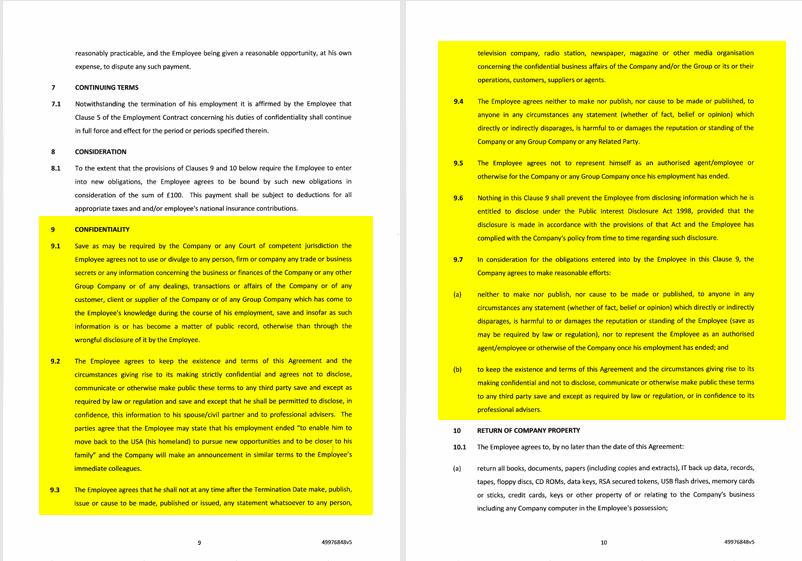
9 Confidentiality
9.1. Save as may be required by the Company or any Court of competent jurisdiction the Employee agrees not to use or divulge to any person, firm or company any trade or business secrets or any information concerning the business or finances of the Company or of any customer, client or supplier of the Company or any Group Company which has come to the Employee’s knowledge during the course of his employment, save and insofar as such information is or has become a matter of public record, otherwise than through the wrongful disclosure of it by the Employee.
9.2. The Employee agrees to keep the existence and terms of this Agreement and the circumstances giving rise to its making strictly confidential and agrees not to disclose, communicate or otherwise make public these terms to any third party save and except as required by law or regulation and save and except that he shall be permitted to disclose, in confidence, this information to his spouse/civil partner and to professional advisers. The parties agree that the Employee may state that his employment ended “to enable him to move back to the USA (his homeland) to pursue new opportunities and to be closer to his family” and the Company will make an announcement in similar terms to the Employee’s immediate colleagues.
9.3. The Employee agrees that he shall not at any time after the Termination Date make, publish, issue or cause to be made, published or issued, any statement whatsoever to any person, television company, radio station, newspaper, magazine or other media organisation concerning the confidential business affairs of the Company and/or the Group or its or their operations, customers, suppliers or agents.
9.4. The Employee agrees neither to make nor publish, nor cause to be made or published, to anyone in any circumstances any statement (whether of fact, belief or opinion) which directly or indirectly disparages, is harmful to or damages the reputation or standing of the Company or any Group or any Related Party.
9.5. The Employee agrees not to represent himself as an authorized agent/employee or otherwise for the Company or any Group Company once his employment has ended.
9.6. Nothing in this Clause 9 shall prevent the Employee from disclosing information which he is entitled to disclose under the Public Interest Disclosure Act 1998, provided that the disclosure is made in accordance with the provisions of that Act and the Employee has complied with the Company’s policy from time to time regarding such disclosure.
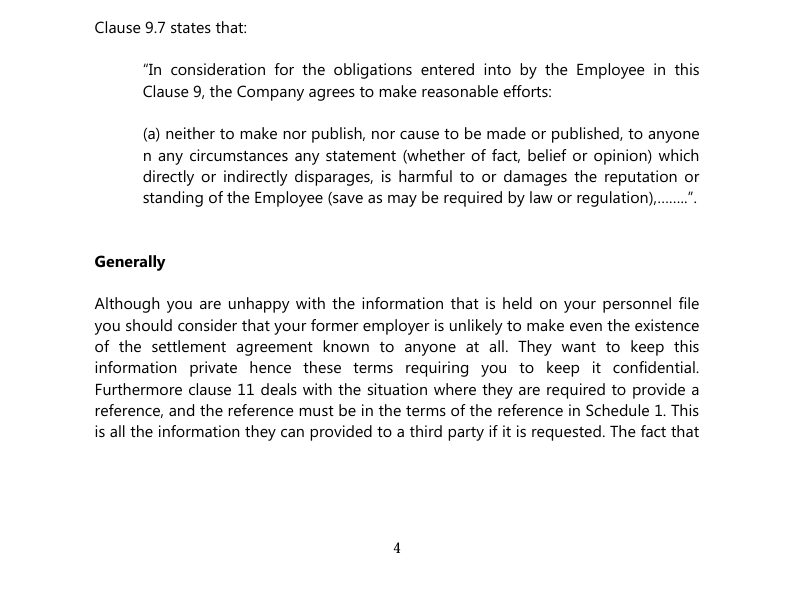
9.7. In consideration for the obligations entered into by the Employee in this Clause 9, the Company agrees to make reasonable efforts:
9.7(a) neither to make nor publish, nor cause to be made or published, to anyone in any circumstances any statement (whether of fact, belief or opinion) which directly or indirectly disparages, is harmful to or damages the reputation or standing of the Employee (save as may be required by law or regulation), nor to represent the Employee as an authorised agent/employee or otherwise of the Company once his employment has ended; and
9.7(b) to keep the existence and terms of this Agreement and the circumstances giving rise to its making confidential and not to disclose, communicate or otherwise make public these terms to any third party save and except as required by law or regulation, or in confidence to its professional advisers.
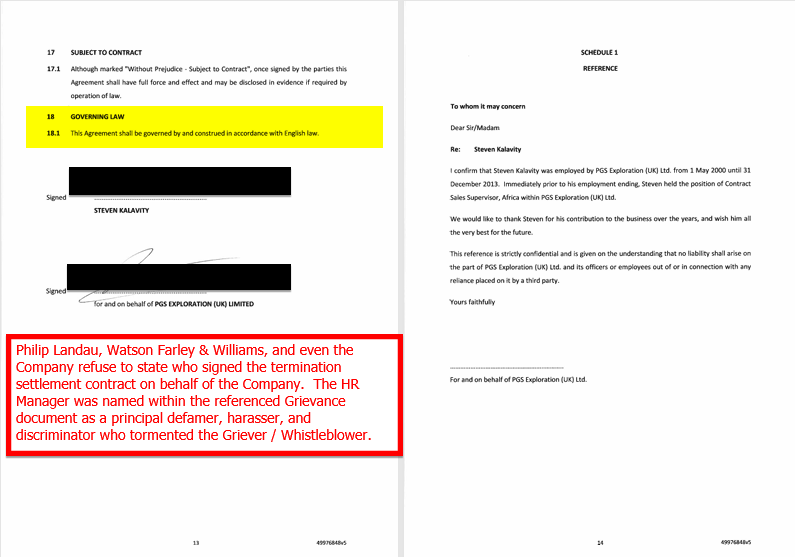
17 Subject to Contract
17.1. Although marked “Without Prejudice – Subject to Contract”, once signed by the parties this Agreement shall have full force and effect and may be disclosed in evidence if required by operation of law.
18 Subject to Contract
18.1. This Agreement shall be governed by and construed in accordance with English law.
It is important to note that disparagement differs from defamation. Defamation typically applies to false statements and requires some degree of malice, while disparagement is much broader. Defamation is “do not make up bad things about us to hurt us,” while disparagement is “do not say bad things about us even if they are true.” For there be a contract breach in Confidentiality SDK need only to publish content that disparages PGS for them to sue for damages.
PGS and WFW are both subjects within many of the SDK publications which SDK states to be legally protected public disclosure or whistleblowing under the terms of both the PGS EXPLORATION (UK) LIMITED and SDK EC and Settlement citing PIDA.
PGS EXPLORATION (UK) LIMITED has never cited a breach in either the EC or Settlement governed by the laws of England. The EC and Settlement would be breached if SDK published content that directly or indirectly disparages, is harmful to or damages the reputation or standing of PGS EXPLORATION (UK) LIMITED, or any Related Party.
SDK is not fluent in the Thai language and no publication by SDK regarding PGS EXPLORATION (UK) LIMITED, or any Related Party has ever been written by SDK in the Thai language. The PGS EXPLORATION (UK) LIMITED officers initiating these claims in Thailand are not fluent in the Thai language either and are not Thai citizens. SDK publications were written to get the attention of officers and employees of PGS and PGS EXPLORATION (UK) LIMITED who speak English. Regardless, the EC and Settlement remain governed by the laws of England.
SDK has written parties to get legal clarification from PGS, WFW and Duensing – Kippen but received no definitive response addressing these significant concerns.
from: Steven Kalavity stevenkalavity@gmail.com roto: berit.osnes@pgs.com, gareth.jones@pgs.com, gottfred.langseth@pgs.com, ir@pgs.com, kristin.omreng@pgs.com, lars.mysen@pgs.com, nathan.oliver@pgs.com, NAulak@wfw.com, olaf@duensingkippen.com, per.arild.reksnes@pgs.com, rob.adams@pgs.com, rune.olav.pedersen@pgs.com, sarah.murphy@pgs.com, terje.blojseth@pgs.com, Carl Richards carlrichards1@googlemail.com, GDPR gdpr@pgs.com, John Francas john.francas@pgs.com, Landau Law pl@landaulaw.co.uk, Tippaya Moonmanee tippaya@duensingkippen.com
date: Jun 11, 2020, 7:18 PM subject: Notice of PGS ASA breach of Employment Contact (2010) PGS ASA,
PGS ASA (PGS) is a Norwegian based company. SDK was employed by the PGS ASA subsidiary PGS Exploration (UK) Limited, 4 The Heights, Brooklands, Weybridge, England, KT13 0NY by contract governed by the laws of England.
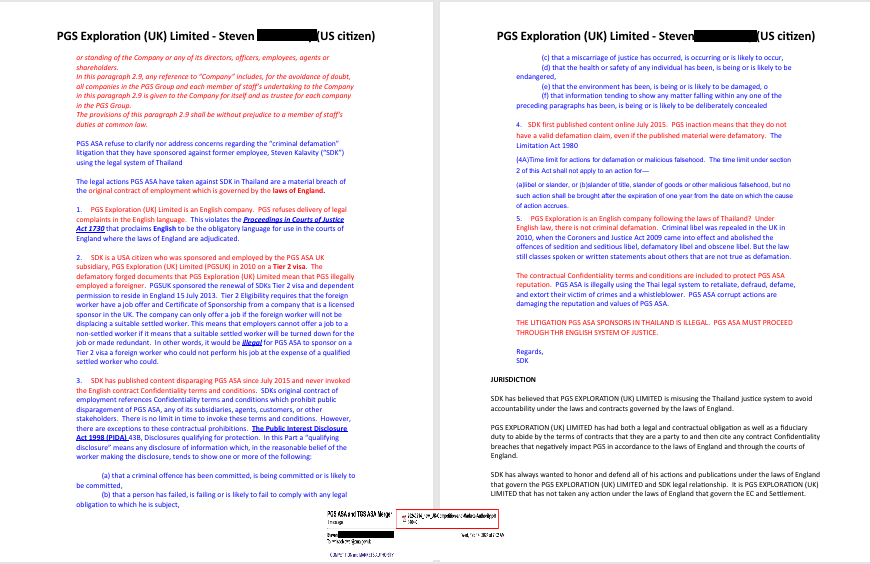
The PGS UK Office Personnel Handbook (“Handbook”) forms part of the contract of employment and states that the laws governing the policies within the Handbook are those of England and Wales. Of special note is Handbook section 2.9 Confidentiality, [i];
Each member of staff also agrees that he/she will not, during the course of his/her employment or at any time thereafter either make or publish, or cause to be made or published, to anyone in any circumstances any statement (whether of fact, belief or opinion) which directly or indirectly disparages, is harmful to or damages the reputation or standing of the Company or any of its directors, officers, employees, agents or shareholders. In this paragraph 2.9, any reference to “Company” includes, for the avoidance of doubt, all companies in the PGS Group and each member of staff’s undertaking to the Company in this paragraph 2.9 is given to the Company for itself and as trustee for each company in the PGS Group. The provisions of this paragraph 2.9 shall be without prejudice to a member of staff’s duties at common law.
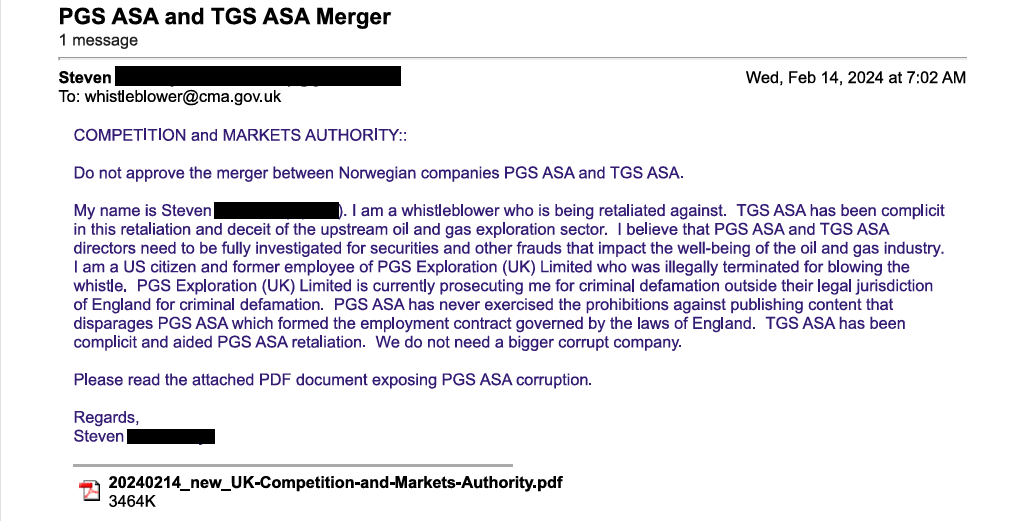
PGS ASA refuse to clarify nor address concerns regarding the “criminal defamation” litigation that they have sponsored against former employee, Steven Kalavity (“SDK”) using the legal system of Thailand
The legal actions PGS ASA have taken against SDK in Thailand are a material breach of the original contract of employment which is governed by the laws of England.
PGS Exploration (UK) Limited is an English company. PGS refuses delivery of legal complaints in the English language. This violates the Proceedings in Courts of Justice Act 1730 that proclaims English to be the obligatory language for use in the courts of England where the laws of England are adjudicated.
SDK is a USA citizen who was sponsored and employed by the PGS ASA UK subsidiary, PGS Exploration (UK) Limited (PGSUK) in 2010 on a Tier 2 visa. The defamatory forged documents that PGS Exploration (UK) Limited mean that PGS illegally employed a foreigner. PGSUK sponsored the renewal of SDKs Tier 2 visa and dependent permission to reside in England 15 July 2013. Tier 2 Eligibility requires that the foreign worker have a job offer and Certificate of Sponsorship from a company that is a licensed sponsor in the UK. The company can only offer a job if the foreign worker will not be displacing a suitable settled worker. This means that employers cannot offer a job to a non-settled worker if it means that a suitable settled worker will be turned down for the job or made redundant. In other words, it would be illegal for PGS ASA to sponsor on a Tier 2 visa a foreign worker who could not perform his job at the expense of a qualified settled worker who could.
SDK has published content disparaging PGS ASA since July 2015 and never invoked the English contract Confidentiality terms and conditions. SDKs original contract of employment references Confidentiality terms and conditions which prohibit public disparagement of PGS ASA, any of its subsidiaries, agents, customers, or other stakeholders. There is no limit in time to invoke these terms and conditions. However, there are exceptions to these contractual prohibitions. The Public Interest Disclosure Act 1998 (PIDA) 43B, Disclosures qualifying for protection. In this Part a “qualifying disclosure” means any disclosure of information which, in the reasonable belief of the worker making the disclosure, tends to show one or more of the following:
(a) that a criminal offence has been committed, is being committed or is likely to be committed, (b) that a person has failed, is failing or is likely to fail to comply with any legal obligation to which he is subject, (c) that a miscarriage of justice has occurred, is occurring or is likely to occur, (d) that the health or safety of any individual has been, is being or is likely to be endangered, (e) that the environment has been, is being or is likely to be damaged, o (f) that information tending to show any matter falling within any one of the preceding paragraphs has been, is being or is likely to be deliberately concealed
SDK first published content online July 2015. PGS inaction means that they do not have a valid defamation claim, even if the published material were defamatory. The Limitation Act 1980 (4A)Time limit for actions for defamation or malicious falsehood. The time limit under section 2 of this Act shall not apply to an action for— (a)libel or slander, or (b)slander of title, slander of goods or other malicious falsehood, but no such action shall be brought after the expiration of one year from the date on which the cause of action accrues.
PGS Exploration is an English company following the laws of Thailand? Under English law, there is not criminal defamation. Criminal libel was repealed in the UK in 2010, when the Coroners and Justice Act 2009 came into effect and abolished the offences of sedition and seditious libel, defamatory libel and obscene libel. But the law still classes spoken or written statements about others that are not true as defamation.
The contractual Confidentiality terms and conditions are included to protect PGS ASA reputation. PGS ASA is illegally using the Thai legal system to retaliate, defraud, defame, and extort their victim of crimes and a whistleblower. PGS ASA corrupt actions are damaging the reputation and values of PGS ASA.
THE LITIGATION PGS ASA SPONSORS IN THAILAND IS ILLEGAL. PGS ASA MUST PROCEED THROUGH THR ENGLISH SYSTEM OF JUSTICE.
Regards, SDK
JURISDICTION
SDK has believed that PGS EXPLORATION (UK) LIMITED is misusing the Thailand justice system to avoid accountability under the laws and contracts governed by the laws of England.
PGS EXPLORATION (UK) LIMITED has had both a legal and contractual obligation as well as a fiduciary duty to abide by the terms of contracts that they are a party to and then cite any contract Confidentiality breaches that negatively impact PGS in accordance to the laws of England and through the courts of England.
SDK has always wanted to honor and defend all of his actions and publications under the laws of England that govern the PGS EXPLORATION (UK) LIMITED and SDK legal relationship. It is PGS EXPLORATION (UK) LIMITED that has not taken any action under the laws of England that govern the EC and Settlement.
SDK has never understood how there could be legitimate claims in Thailand that bypass the EC and Settlement governed by the laws of England? SDK has believed that as an agent of PGS EXPLORATION (UK) LIMITED, Duensing – Kippen cannot act in a way that PGS EXPLORATION (UK) LIMITED cannot legally do themselves, such as work outside the boundaries of the laws of England to breach contracts governed by the laws of England.
`Whistleblower Protection
Both the EC and Settlement Confidentiality terms cite the UK Public Interest Disclosure Act 1998 (PIDA). SDK has always believed that his publications were legally qualified public disclosure.
PIDA protects workers from detrimental treatment or victimization from their employer if, in the public interest, they blow the whistle on wrongdoing. For a disclosure to be protected by PIDA provisions it must relate to matters that “qualify” for protection. Qualifying disclosures are disclosures which the worker reasonably believes tends to show that one or more of the following matters is either happening now, took place in the past, or is likely to happen in the future: a criminal offence; a breach of a legal obligation; a miscarriage of justice; a danger to the health and safety of any individual. concealment of information tending to show any of the matters that qualify.
Norway’s Working Environment Act (WEA) states that it is an employee’s right and obligation to notify censurable conditions. This means that a worker has no choice but to report if the matter is serious enough. Reporting serious offences in Norway is an obligation vested in law because whistleblowing is crucial to keep work environments safe and to prevent unhealthy leadership. Some censurable conditions are: danger to life or health, corruption and fraud, abuse of authority, discrimination, bullying and an unsatisfactory working environment.
PGS EXPLORATION (UK) LIMITED Claims in Thailand
Two-years eight-months and 24 days after the first published legal disclosure on 3 July 2015, SDK received an email from a gmail account purporting to be from the PGS EXPLORATION (UK) LIMITED Secretary, Carl Richards, threatening to press criminal defamation charges in Thailand as an individual not associated with PGS.
Richards is misrepresenting his agency as an officer and employee of a company governed by the laws of England with the responsibility to protect PGS EXPLORATION (UK) LIMITED reputation and value and not just his own through adhering to the laws of England.
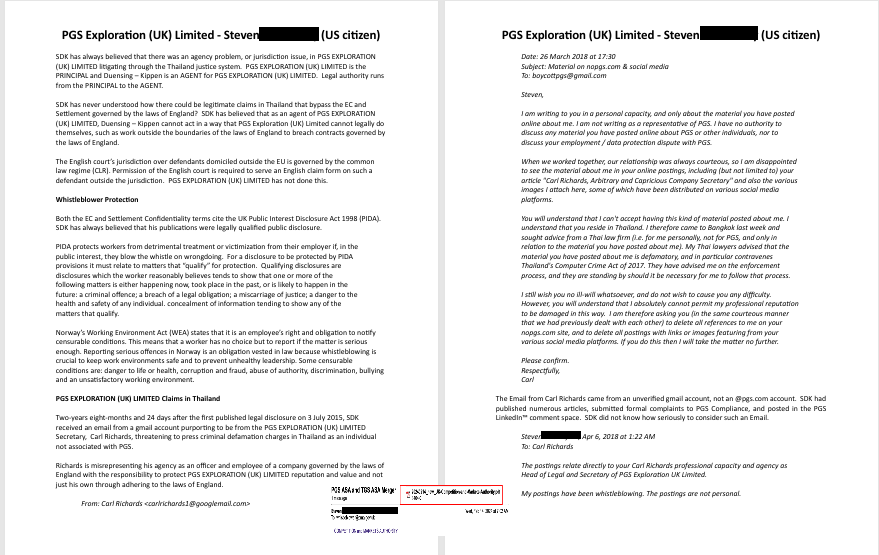
Date: 26 March 2018 at 17:30 Subject: Material on nopgs.com & social media To:
Steven,
I am writing to you in a personal capacity, and only about the material you have posted online about me. I am not writing as a representative of PGS. I have no authority to discuss any material you have posted online about PGS or other individuals, nor to discuss your employment / data protection dispute with PGS.
When we worked together, our relationship was always courteous, so I am disappointed to see the material about me in your online postings, including (but not limited to) your article “Carl Richards, Arbitrary and Capricious Company Secretary” and also the various images I attach here, some of which have been distributed on various social media platforms.
You will understand that I can’t accept having this kind of material posted about me. I understand that you reside in Thailand. I therefore came to Bangkok last week and sought advice from a Thai law firm (i.e. for me personally, not for PGS, and only in relation to the material you have posted about me). My Thai lawyers advised that the material you have posted about me is defamatory, and in particular contravenes Thailand’s Computer Crime Act of 2017. They have advised me on the enforcement process, and they are standing by should it be necessary for me to follow that process.
I still wish you no ill-will whatsoever, and do not wish to cause you any difficulty. However, you will understand that I absolutely cannot permit my professional reputation to be damaged in this way. I am therefore asking you (in the same courteous manner that we had previously dealt with each other) to delete all references to me on your nopgs.com site, and to delete all postings with links or images featuring from your various social media platforms. If you do this then I will take the matter no further.
Please confirm. Respectfully, Carl
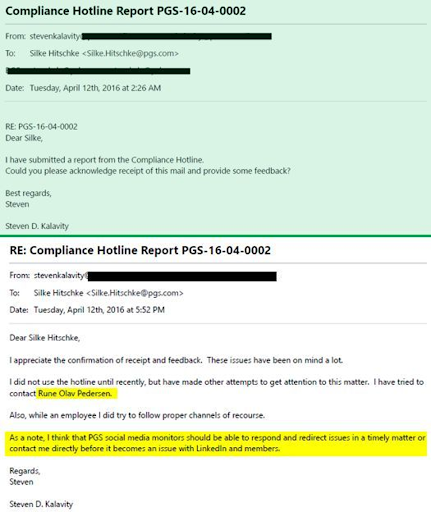
The Email from Carl Richards came from an unverified gmail account, not an @pgs.com account. SDK had published numerous articles, submitted formal complaints to PGS Compliance, and posted in the PGS LinkedIn™ comment space. SDK did not know how seriously to consider such an Email.
Steven Kalavity Fri, Apr 6, 2018 at 1:22 AM To: Carl Richards
The postings relate directly to your Carl Richards professional capacity and agency as Head of Legal and Secretary of PGS Exploration UK Limited.
My postings have been whistleblowing. The postings are not personal.
Allegations presented within the blog articles have also been presented to UK ActionFraud and the UK Serious Fraud Office. There has been no official response from Petroleum Geo-Services ASA or PGS Exploration UK Limited agents.
For future correspondence, please provide proof of identity and any aspects of the posted blog articles which are not truthful with data to support your claim.
Regards, SDK
SDK removed content and awaited more information / Emails. However, Richards never replied and provided the requested verification information and so content was made public again. SDK had to provide two sources of notarized identification to WFW before his SAR would be processed. Richards provided no verification information. It would have been irresponsible to continue any more dialogue beyond this point without being provided the requested information.
SDK believed that an officer and employee of PGS Exploration (UK) Limited should expect that some verification of identity and legitimacy would be requested. SDK also believed that it was illegal for a company located and registered in England to use the Thai criminal justice system. A business governed by the laws of England would be expected to conduct legal business within the constraints of the laws of England.
On 15 May 2018, SDK received another email from an individual purporting to be a Thai lawyer representing Richards. However, Richards’ lawyer refused to provide substantive verification of identity, qualification and agency to SDK, as requested.
from: Thai Lawyer to: boycottpgs@gmail.com date: May 15, 2018, 2:07 AM subject: URGENT & IMPORTANT_Defamatory Statements security: Standard encryption (TLS) Learn more : Important according to Google magic.
RE: Defamatory statements
Dear Mr. Steven
Please find the legal notice letter attached.
Best regards, Tippaya Moonmanee
Letter
Dear Mr.Steven Kalavity,
We represent Mr. Carl Richards (“Our Client”) in relation to certain defamatory and untrue statements and images concerning Our Client that you have posted on several websites.
We do not represent Petroleum Geo-Services.
We refer to ANNEX A as a selection of some of the defamatory and untrue statements against Our Client. Although our Client is under no obligation to prove that your statements against him are untrue, it is our position that they are in fact untrue.
We also refer to ANNEX B as examples of defamatory images that you have posted.
Please note that by posting these statements and images you have committed a criminal offence under the Thai Criminal Code and Computer Crimes Act. Our Client is further entitled to compensation for damages due to your illegal action under the Civil and Commercial Code. The fact that some of the images have now been removed does not relieve you of criminal liablity for having posted them.
…
We therefore demand that you immediately remove all direct or indirect reference to Our Client from the material you have posted. If you fail to do so we are instructed to take legal action against you accordingly.
The Claims sponsored by PGS EXPLORATION (UK) LIMITED and delivered by Duensing – Kippen in Thailand citing the laws of Thailand are a material breach of both the EC and Settlement that are explicitly governed by the laws of England. Companies governed by the laws of England must deliver claims in the English language using the English courts.
Duensing – Kippen has delivered Legal Notices and Claims to the address where SDKs passport was registered with Thailand Immigration. SDK is a US citizen. SDKs legal address is in the US. SDK has no permanent residence or legal address in Thailand.
Response to Thailand Law Firm
from: No PGS boycottpgs@gmail.com to: date: May 17, 2018, 3:16 AM subject: Re: URGENT & IMPORTANT_Defamatory Statements mailed-by: gmail.com
zzzzzzz,
I have never received confirmation from your Client, “Carl Richards” that he, indeed is the actual person mentioned in the referenced blog post articles. I received an email from an unverified account from a person purporting to be “Carl Richards” However, this person never confirmed his identity in fact.
Therefore, I would encourage “Carl Richards” confirm proof of identity and that he has, in fact, engaged you.
However, regardless of this confirmation, image files containing the purported portrait of Carl Richards Head of Legal and Secretary, PGS Exploration (UK) Limited have been removed from websites which I control.
It may take some time for these image files to stop circulating in the cyber-space.
I have also encouraged any individuals named and written about within my blog post articles to contact me directly for any corrections and clarifications of fact. Your client has not done this.
Further, the blog post articles regard Carl Richards professional performance, and are considered to be whistleblowing – or identifying corruption and wrong doing by corporate officers. My claims have been provided to UK ActionFraud (police) and the UK Serious Fraud Office, as well as professional oversight organizations.
Therefore, I would hope that your client would engage me directly and provide details to improve certain details of the posted content.
However, at its core, my requests have been simple. I want the officers of PGS Exploration (UK) Limited to authenticate the contents of my professional personnel file. Currently, it is populated with what I claim are illegal forged documents that were used to form an illegal contract. This contract is covered by the laws of England and, if valid, have all the instruments of redress to affect the outcome which he is seeking through engaging a firm in Thailand.
This is what I would like Carl Richards to prove is untrue.
I worked in England on a visa, but I am a USA citizen. My wife is a Thai national.
Best regards, Steven Kalavity
Richards resigned as Secretary of PGS EXPLORATION (UK) LIMITED 25 May 2018, according to the Companies House website information. As an officer of PGS Exploration (UK) Limited there could never be any distinction between the individual Carl Richards and his agency as PGS Exploration (UK) Limited Secretary.
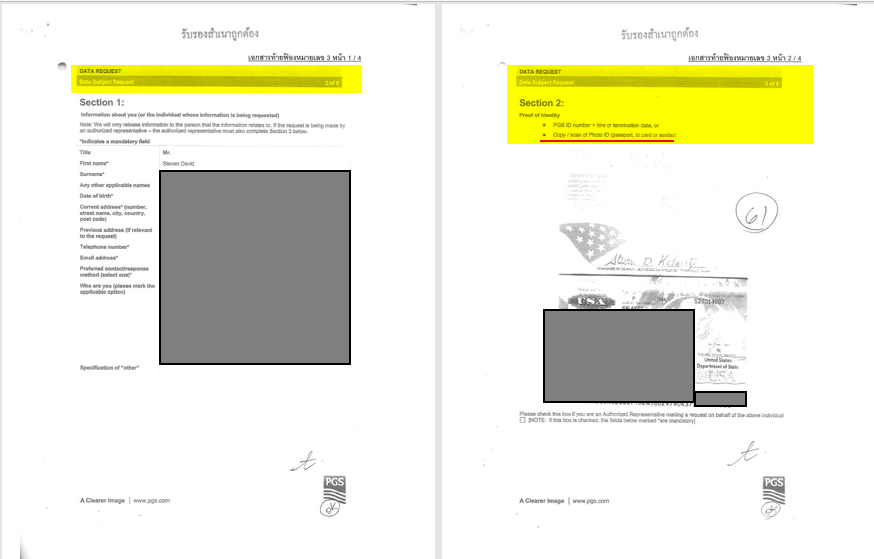
On 18 June 2018, SDK submitted an SAR (2018 PGS SAR) citing the new General Data Protection Regulation (GDPR) that was replacing DPA. On 16 July 2018, SDK received a response to the 2018 SAR. SDK had to provide PGS with documented proof of his identity, including US passport data and current residence, to PGS before they agreed to process the PGS SAR.
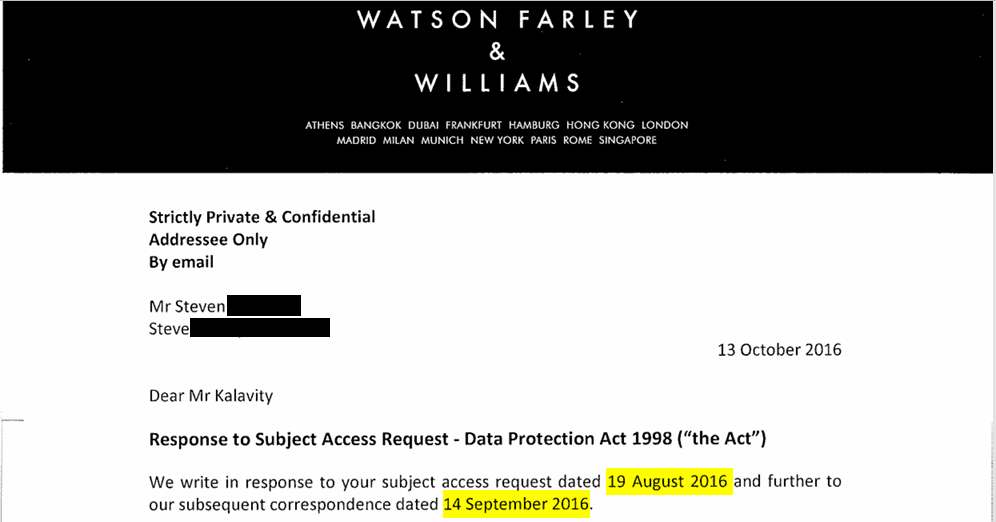
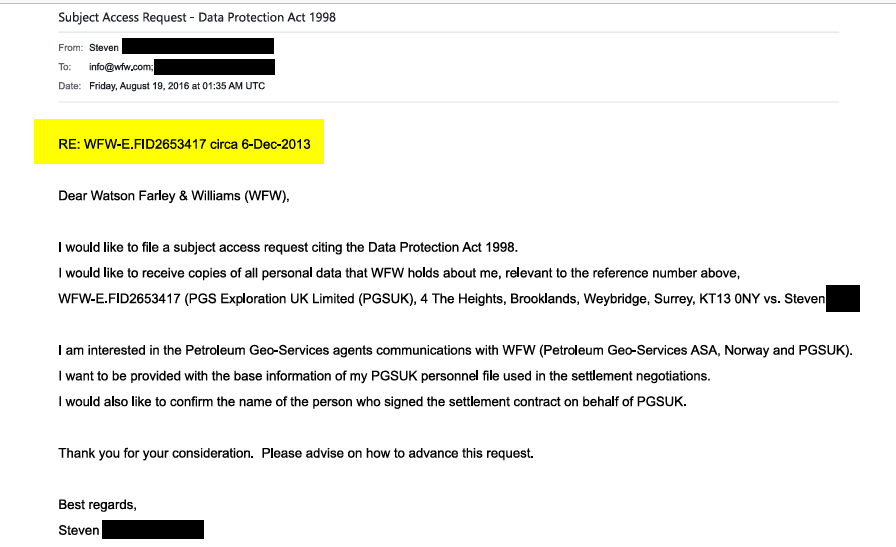
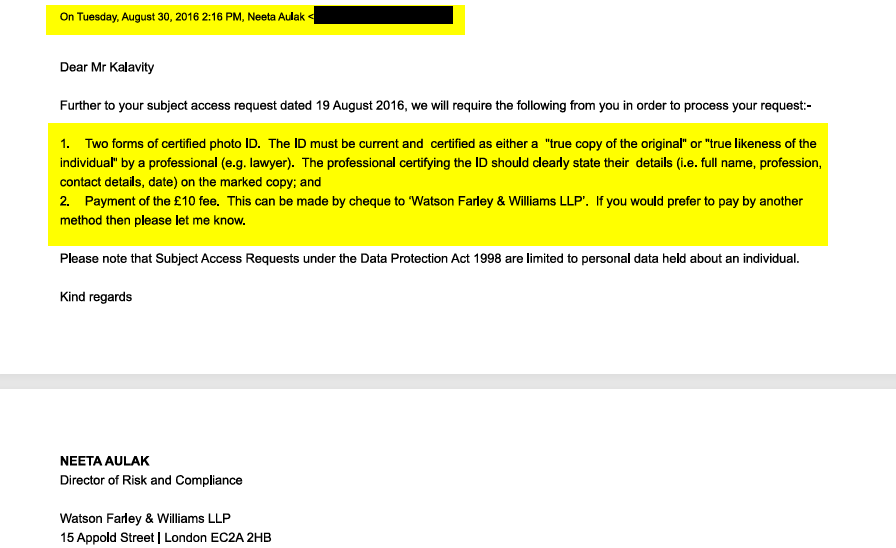
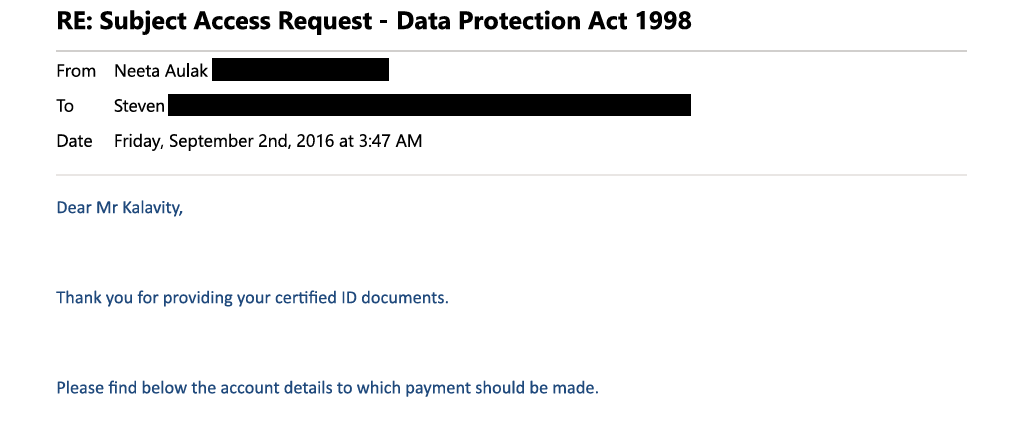
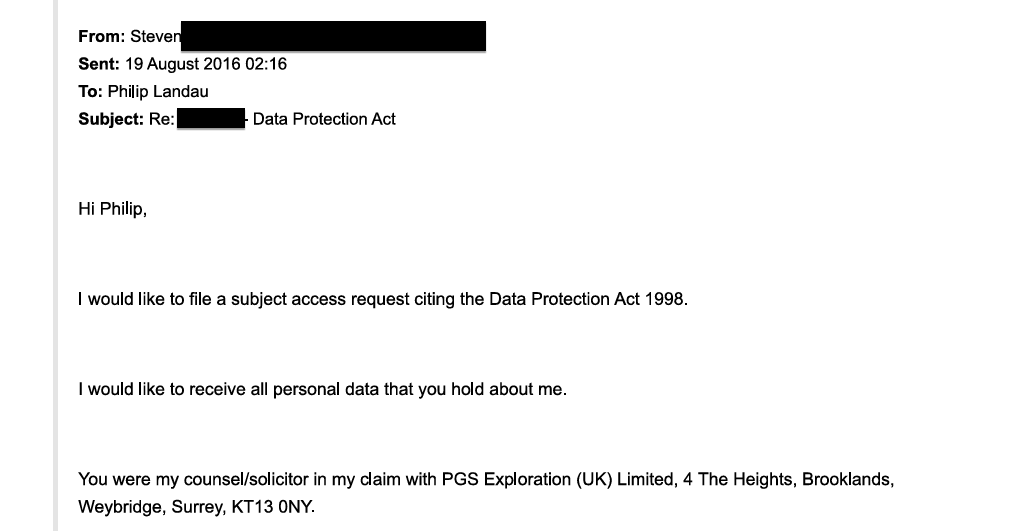
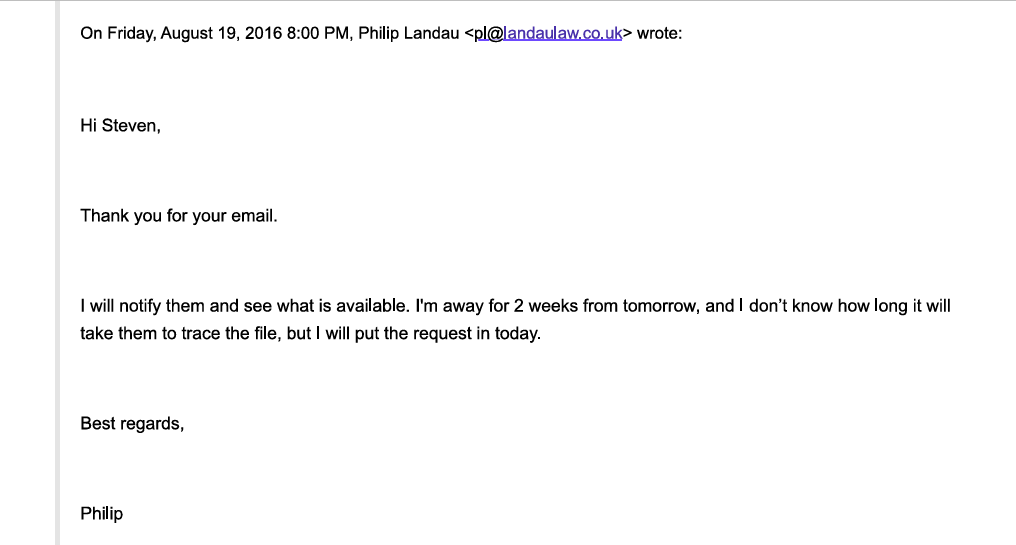
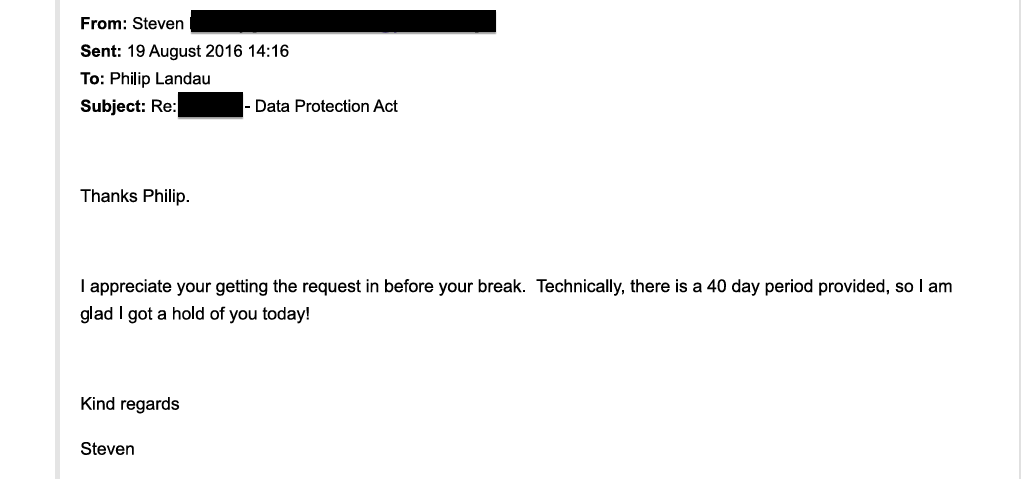
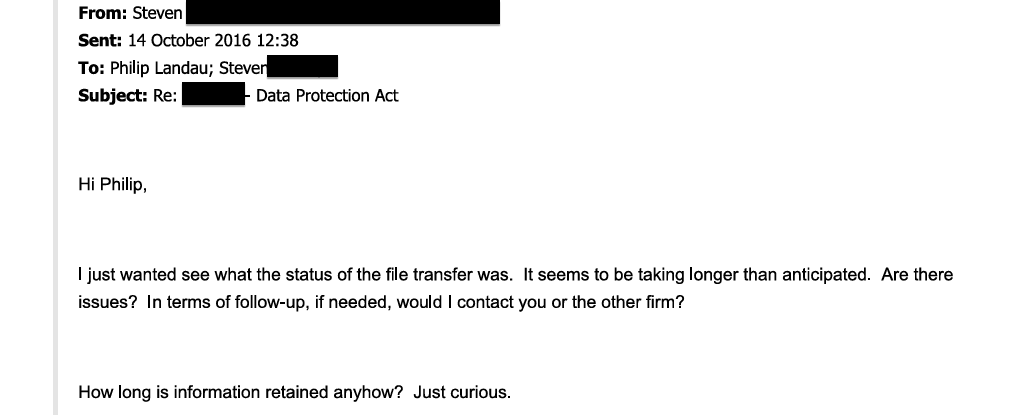
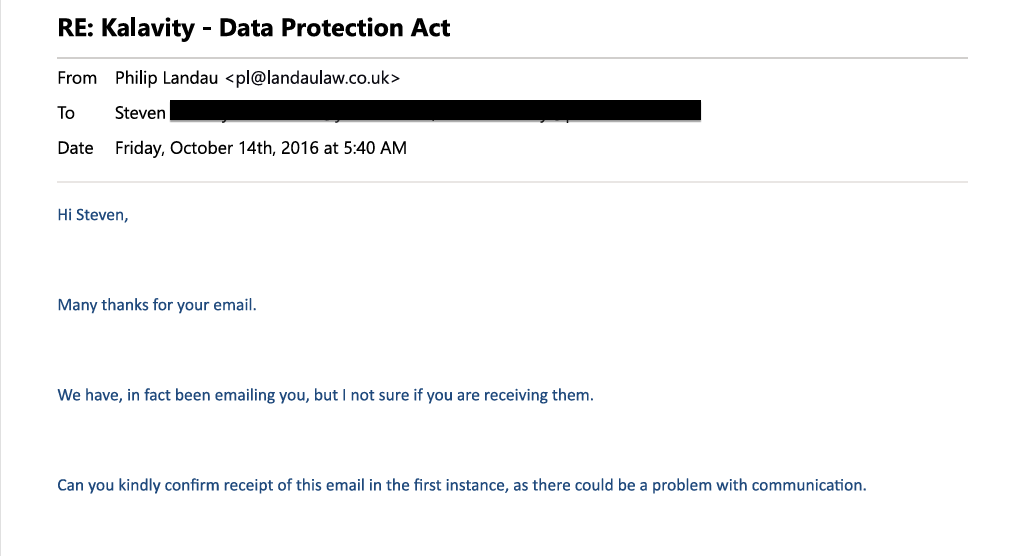
SDK had also submitted an SAR to Watson Farley & Williams 19 August 2016 (WFW SAR) to confirm what data was being processed for SDK and his family. WFW requested the following to confirm SDK identity before processing the WFW SAR:
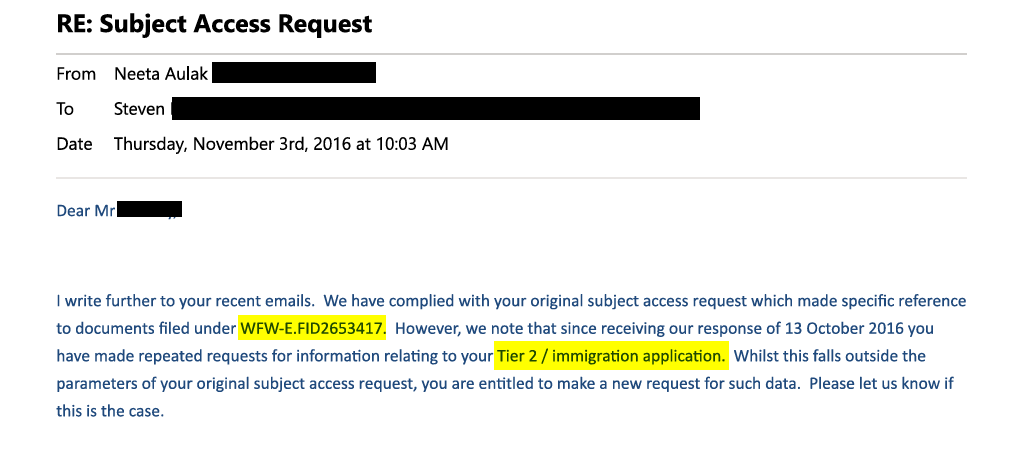
On Tuesday, August 30, 2016 2:16 PM, Neeta Aulak NAulak@wfw.com wrote: Dear Mr Kalavity
Further to your subject access request dated 19 August 2016, we will require the following from you in order to process your request:
Two forms of certified photo ID. The ID must be current and certified as either a “true copy of the original” or “true likeness of the individual” by a professional (e.g. lawyer). The professional certifying the ID should clearly state their details (i.e. full name, profession, contact details, date) on the marked copy; and
Payment of the £10 fee. This can be made by cheque to ‘Watson Farley & Williams LLP’. If you would prefer to pay by another method then please let me know.
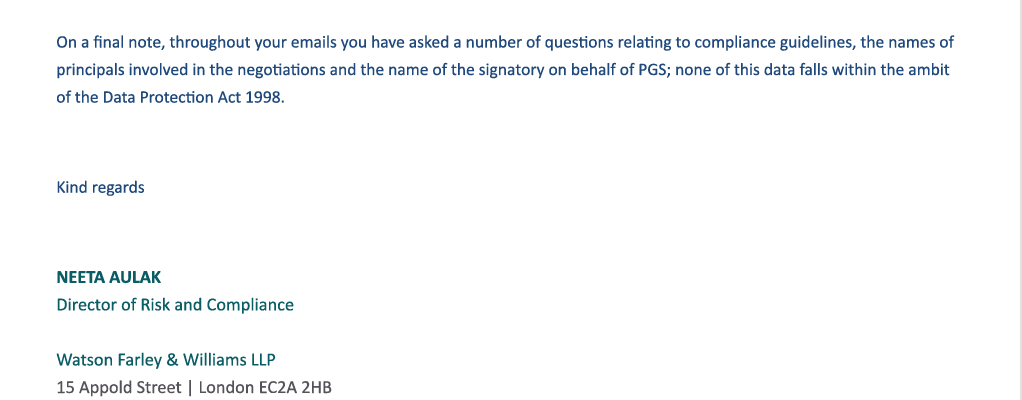
Please note that Subject Access Requests under the Data Protection Act 1998 are limited to personal data held about an individual.
Kind regards NEETA AULAK Director of Risk and Compliance Watson Farley & Williams LLP
15 Appold Street | London EC2A 2HB
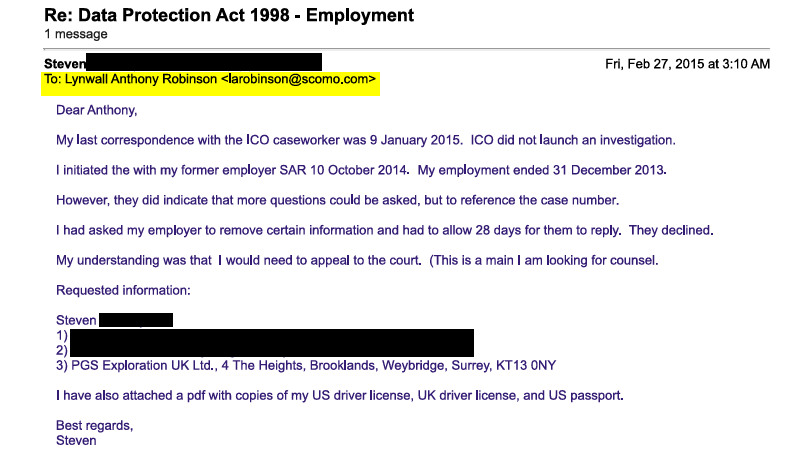
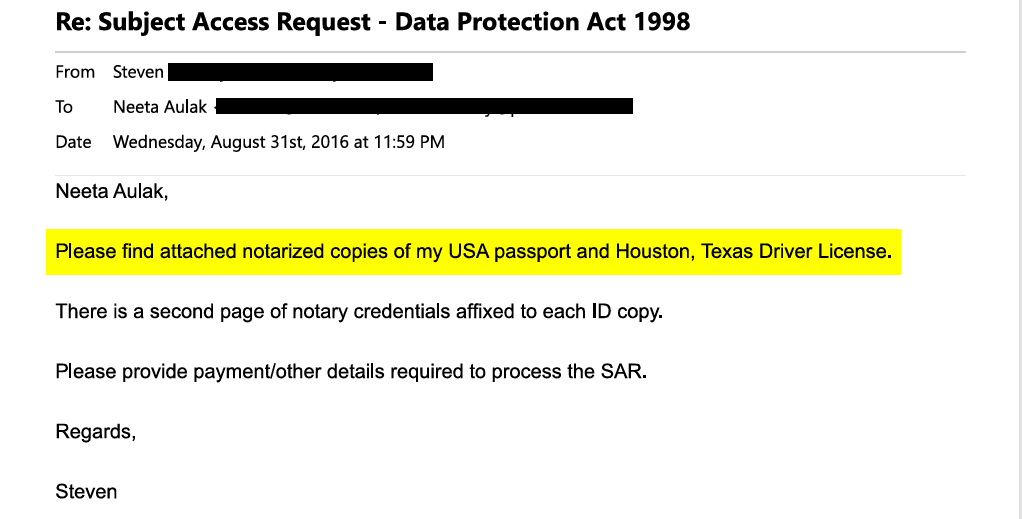
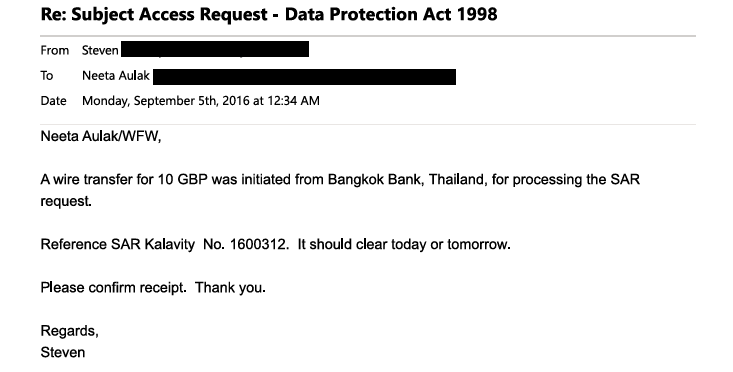
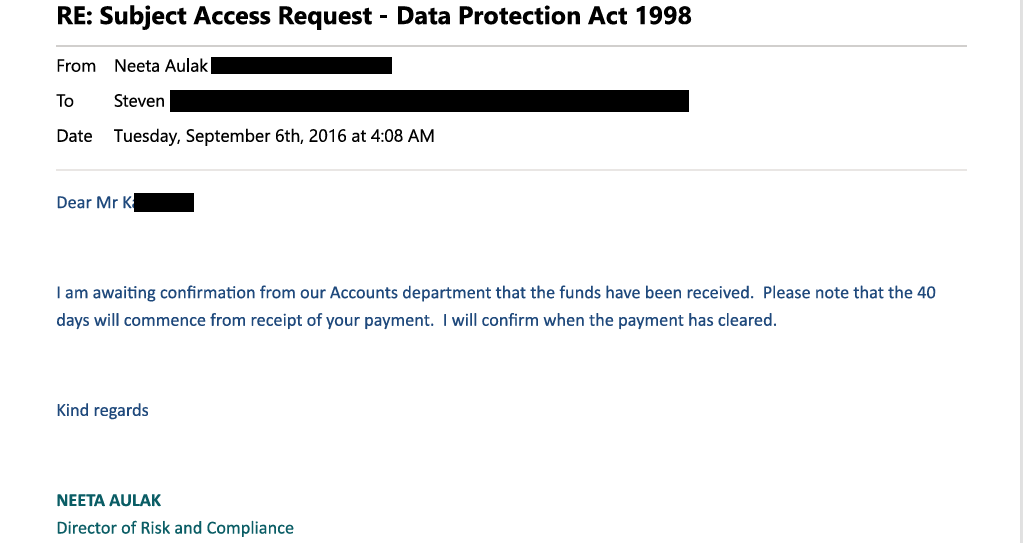
WFW, the advisors to PGS EXPLORATION (UK) LIMITED on matters of UK employment law received sensitive SDK data including US passport and US Texas identification, inlcuding SDK US address information to process the WFW SAR. WFW also knew SDKs address in Thailand in 2016. SDK had to wire transfer payment to WFW to pay for the SAR processing:
Re: Subject Access Request – Data Protection Act 1998 From: Steven Kalavity To: naulak@wfw.com Date: Sunday, September 11, 2016 at 11:35 PM MDT
Neeta Aulak,
Today I have made a duplicate wire transfer of the one made one-week ago to process my subject access request. This means what should have been a simple process has cost twice as much money, taken twice as much time, and involved additional emails.
I am not pleased about this. In my view, Watson, Farley & Williams (WFW) has thus far performed unprofessionally. Whether the obstruction is intentional or a competency matter, I do not know. However, I wanted to relate my concerns straight-away, for the record.
When I see performance issues at the front end of any (legal) transaction it leads me to believe that there may be other risk and compliance issues hidden out of sight. We become what data controllers process about us. The integrity and efficiency of the processors and processes applied is paramount.
During my initial correspondence I tried to be very clear in letting WFW understand my special circumstances. Because of these special circumstances, additional clarity needed to be provided. I conveyed that I would pay the fee by wire transfer from Thailand.
WFW provided payment instructions, WHICH I ADHERED TO.
Following the wire-transfer, I contacted WFW and let them know the projected time line and payment details.
I requested that WFW keep me informed of the status/progress of the wire transfer. However, WFW conveyed incorrect /incomplete information.
WFW did not keep me informed of any problems in a timely manner, and in fact the contact went on holiday On a Friday, WFW informed me that the requested entire 10 GBP payment did not reach the WFW account due to a WFW RBS account incurred bank transfer fee (5 GBP).
First of all, the 10 GBP amount is the MAXIMUM amount that a data controller can charge to process an SAR. It is not a set amount. WFW can charge any amount in between 0-10 GBP. Further, how would I possibly know what the incurred wire transfer fee of a WFW controlled account is? Apparently, WFW has an accounting department. Shouldn’t have they known and shouldn’t have this amount been included in the instructions?
The result of this is that because WFW communicates poorly I am held accountable to pay the extra money and waste the extra effort. Is this reasonable? The greatest risk to project success is communication (according to PMI).
I hope that we can both improve on this moving forward. Regards,
Steven Kalavity
SDK had to provide both PGS and their legal advisors, WFW with proof of identity for them to process an SAR. However, both Richards and Duensing – Kippen refused to provide SDK with any verification data when they were accusing SDK of criminal defamation. SDK actually believed that he was the target of extortion and not a valid Thailand criminal complaint.
John Francas, Head of Legal, PGS Europe, Africa, and the Middle East signed the response to SDKs 2018 PGS SAR. The response did not reveal anything, such as what is the legal relationship between PGS Exploration (UK) Limited and Duensing – Kippen or Carl Richards and Duensing – Kippen? Again, there was no verification that Duensing – Kippen actually was legally representing anyone with regard to SDK publications.
In the response to the 2018 PGS SAR Francas did reference the Settlement as a legal instrument. SDK had been publishing legally protected disclosure – or whistleblowing for almost three years. PGS EXPLORATION (UK) LIMITED had never requested that SDK stop publishing. The only threats were received on behalf of an individual Carl Richards, not attached to PGS and Duensing – Kippen who said that they did represented Richards.
The Francas response to the 2018 PGS SAR PGS EXPLORATION (UK) LIMITED:
###
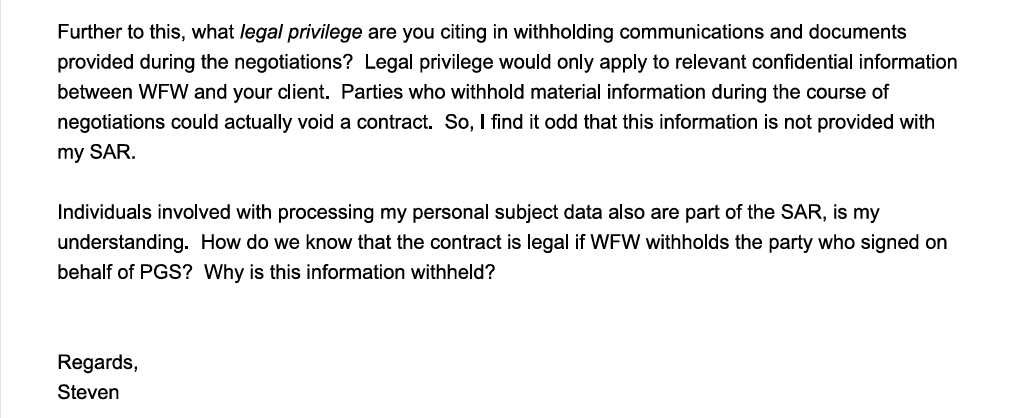
We have determined that applicable law allows us to deny your request on the basis that processing of your personal data, if any, that may have occurred since your previous request on 10 October 2014 (“the 2014 SAR”) has only been performed in order to seek privileged legal advice in respect to your various direct and indirect communication with or about PGS and/or its employees or advisors. Accordingly, we are denying your request under the exception contained in Schedule 2, paragraph 19(a).
Schedule 2, paragraph 19(a):
19 The listed GDPR provisions do not apply to personal data that consists of— (a) information in respect of which a claim to legal professional privilege or, in Scotland, confidentiality of communications, could be maintained in legal proceedings, or
Francas is citing UK law. Comprehensive data protection laws are essential for protecting human rights – most obviously, the right to privacy. PGS was sharing SDK private information with Duensing – Kippen in Thailand to process a criminal complaint while they were supposed to be processing SDKs SAR.
One of the exceptions to the attorney-client privilege is the crime-fraud exception. This exception applies when communications are made in furtherance of a crime or fraud.
SDK does not believe that there was a distinction between PGS EXPLORATION (UK) LIMITED Secretary Carl Richards and PGS EXPLORATION (UK) LIMITED. Richards, in bpth his professional and legal capacity of PGS EXPLORATION (UK) LIMITED Secretary had the legal responsibility to uphold the laws of England that governed PGS EXPLORATION (UK) LIMITED contracts and make certain that Directors comply with the laws and carry out their duties according to the laws and regulations of England.
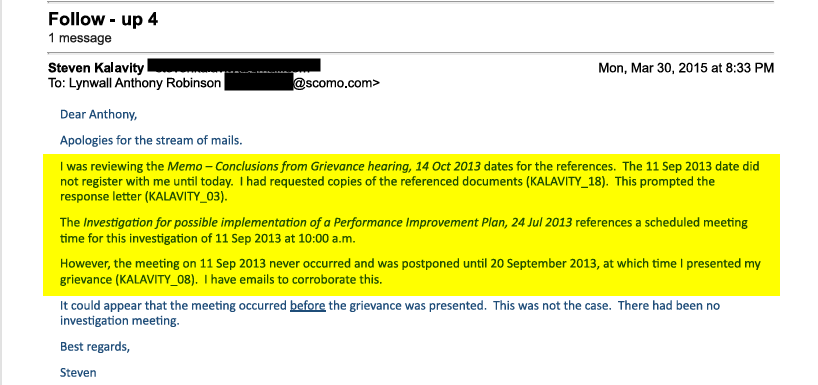
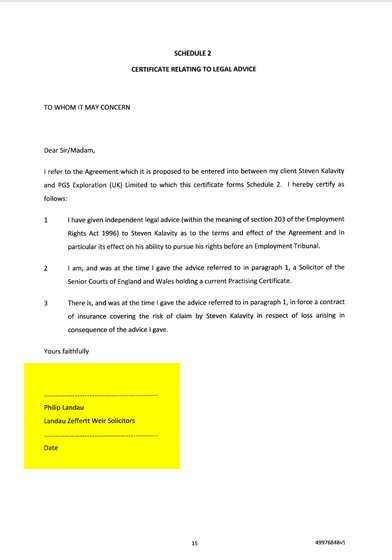
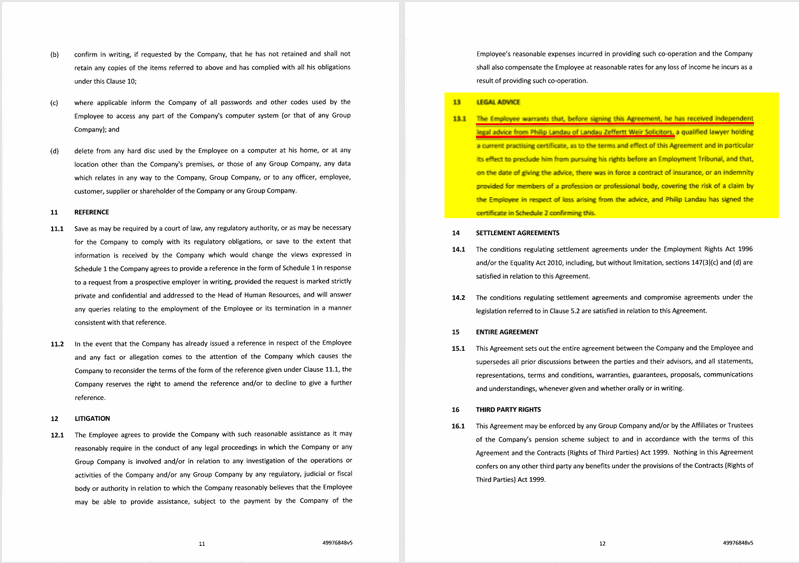
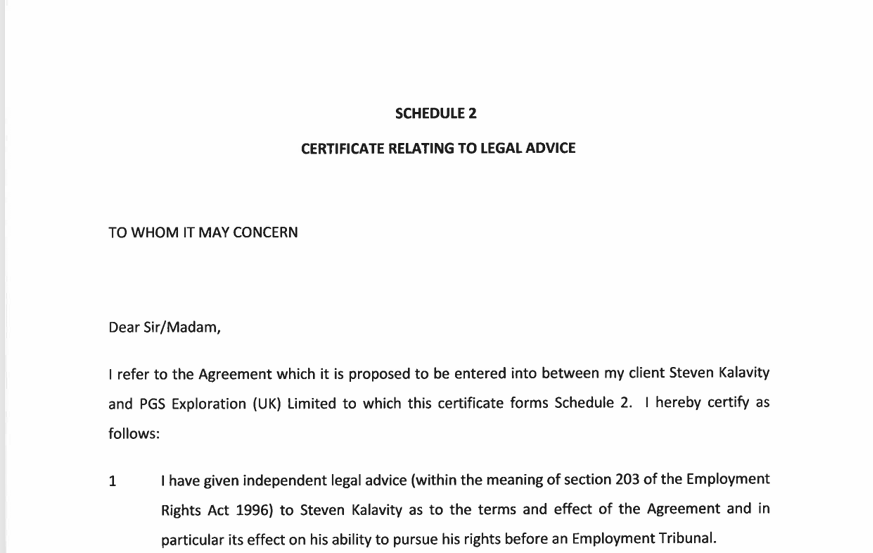
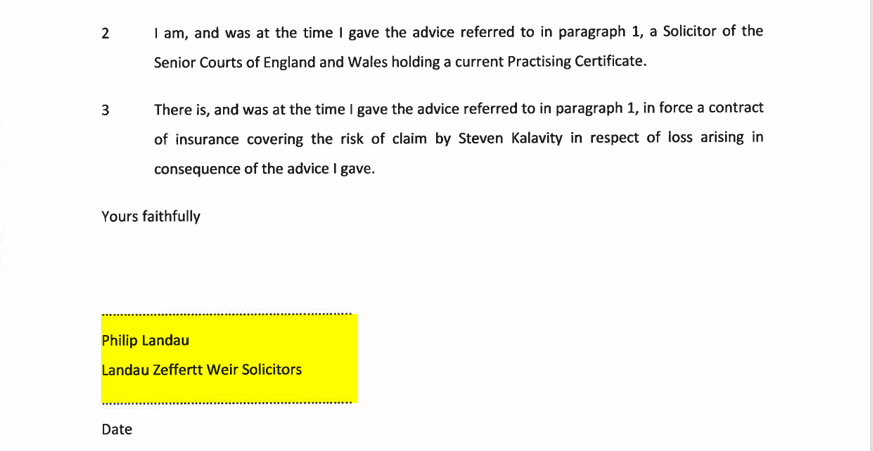
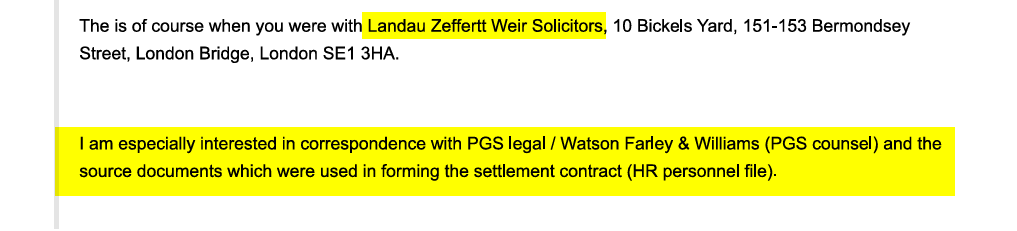
Within publications, SDK has claimed that the Settlement was an illegal instrument used to illegally terminate whistleblower SDKs employment on false pretenses. WFW conspired with law firm Landau, Zeffertt & Wier (LZW), who were the paid advisors of SDK, to coerce SDK to accept the Settlement to terminate his employment. WFW and LZW cooperated with PGS EXPLORATION (UK) LIMITED to populated SDKs professional personnel file with defamatory forged documents. This is the subject that SDK publications assert and provide evidence of.
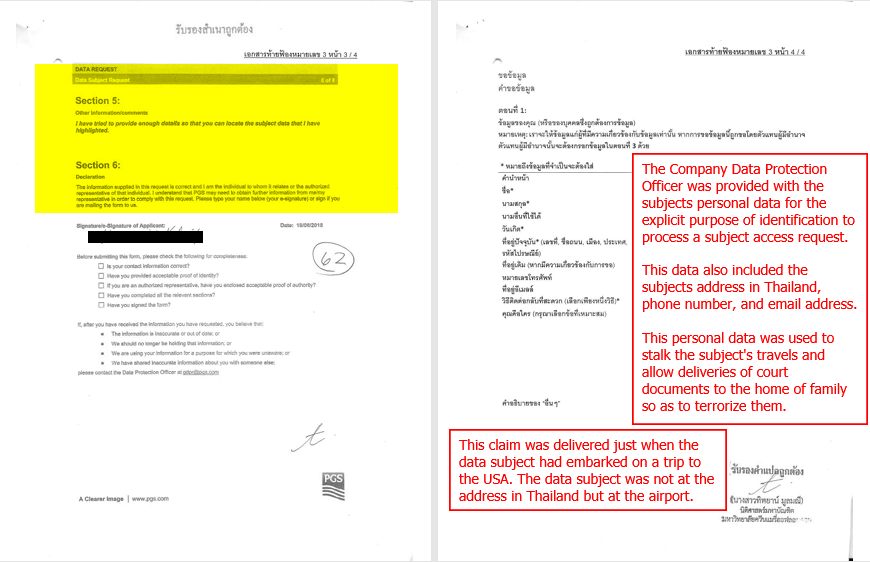
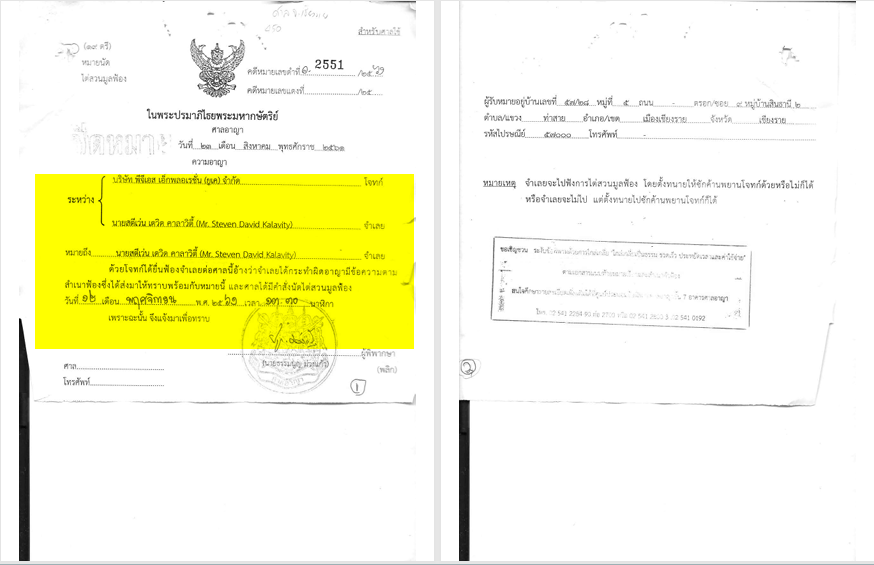
On 13 September 2018, SDK was traveling back to the US to visit his mother and other family members when he received a legal notice in the Thai language by email. SDK later heard from his wife that a firm copy of an actual criminal claim was delivered to the address provided to PGS EXPLORATION (UK) LIMITED when SDK submitted his SAR.
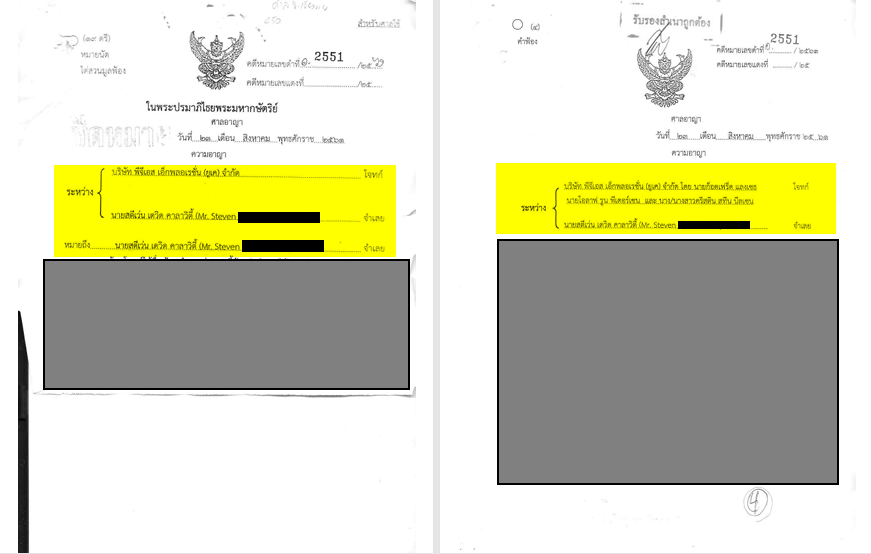
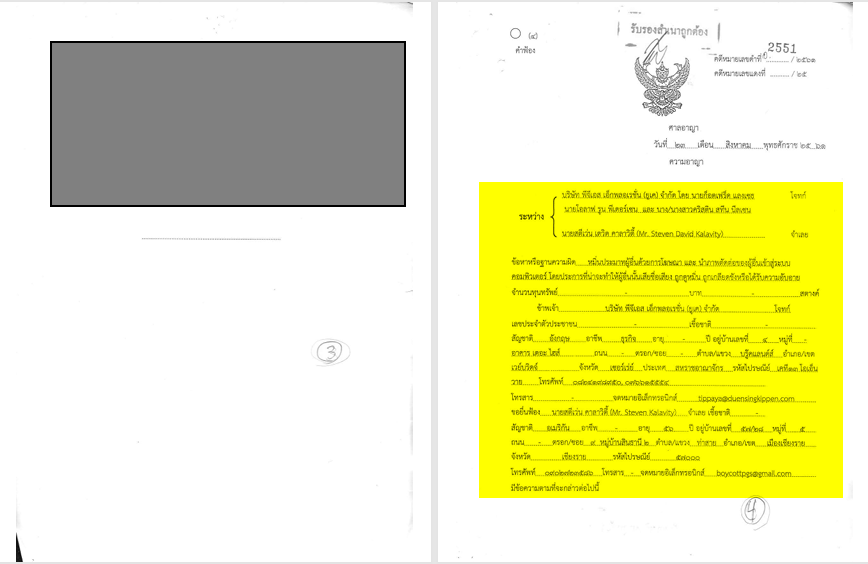
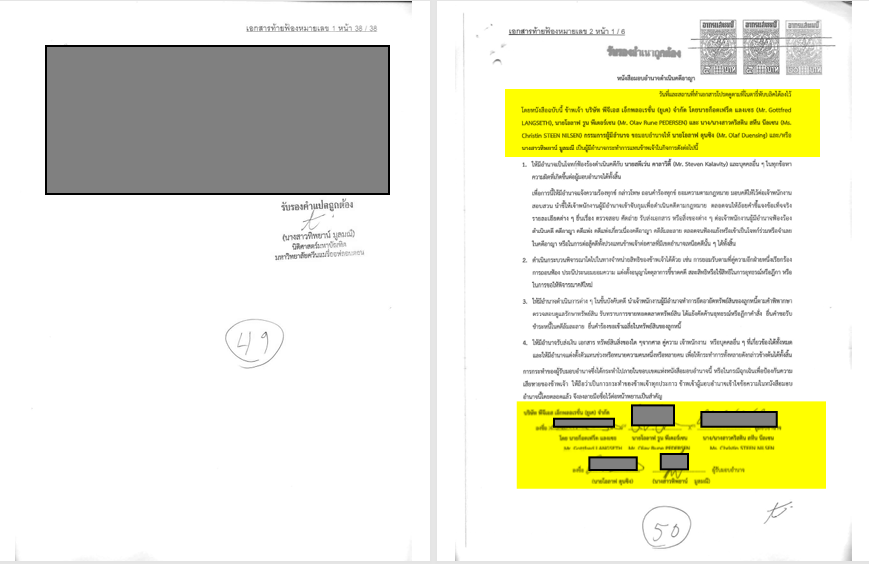
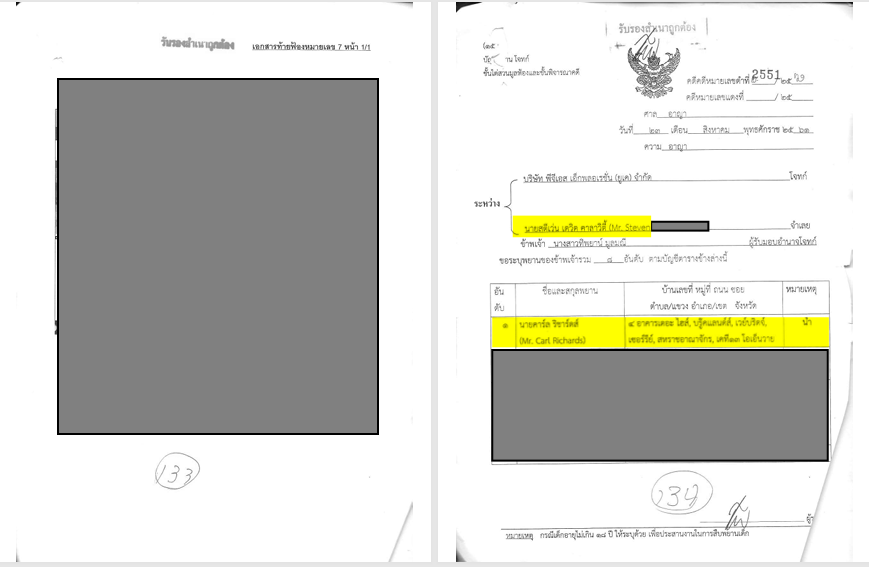
SDK had to shorten the length of his stay in the US and return to Chiangrai, Thailand. Duensing – Kippen had delivered two (2) claims to the address that was provided to PGS to process the SDK SAR 18 June 2018. One claim was delivered on behalf of Richards (the “Richards Claim”} and another claim (the “PGS Claim”) were delivered on behalf of PGS EXPLORATION (UK) LIMITED directors: Rune Olav Pedersen, Gottfred Langseth, and Christin Steen-Nilsen.
PGS and Duensing – Kippen never provided SDK with verification data or even attempt to clarify issues in the English language. Yet, Duensing – Kippen could summon SDK from the US to respond to a criminal complaint. It never seemed reasonable nor professional. What SDK first noticed was that Duensing – Kippen had explicitly stated within the 15 May 2018 email that they did not represent PGS. This was a clear material misrepresentation of fact.
The 2018 Duensing – Kippen for PGS EXPLORATION (UK) LIMITED claim did not address many publications that included documented evidence supporting the published assertions exposing illegal and non-compliant acts by PGS, WFW and LZW. Most notably, the claim did not authenticate the documents held within SDKs PGS professional personnel file, as was requested within the 17 May 2018 email to tippaya@duensingkippen.com , to prove that SDK allegations were false and malicious. The claim did not disprove any of the substantive claims which had been published on NoPGS.com.
The PGS Claim had been assembled directly from SDK personal data provided to PGS for identification verification to process SDKs 2018 PGS SAR. The PGS EXPLORATION (UK) LIMITED claim had pages copied directly from the 2018 PGS SAR. The dated documents within the PGS EXPLORATION (UK) LIMITED claim showed that the PGS EXPLORATION (UK) LIMITED claim had been constructed when SDK was waiting for the Response.
Within the 15 May 2018 email, Duensing – Kippen lawyer Tippaya Moon has explicity stated that she / Duensing – Kippen was not representing PGS. This was clearly an intentional misrepresentation. Duensing – Kippen had never responded and provided requested verification information regarding the Richards Claim. The PGS Claim was in the Thai language, but included excerpts from SDK publications in the English language. The Claim also included copies of the identification pages from the recently submitted SAR to PGS.
The PGS Claim was published in the Thai language but included PGS EXPLORATION (UK) LIMITED information in the English language. The claim also included segments of certain articles published on NoPGS.com. It did not include the many articles that had been emailed to PGS Compliance throughout 2016 that PGS had taken no action on. For instance, the PGS Claim did not include the 3 July 2015 article stating that PGS was processing defamatory forged documents within SDKs professional personnel files.
PGS and Richards proffered Compromise agreements for SDK to sign to avoid proceeding to court trial in Thailand Criminal Court SDK did not believe that the PGS EXPLORATION (UK) LIMITED and SDK contract dispute could be legally resolved outside the courts of England.
SDK breached the Confidentiality agreement signed 11 November 2018, according to PGS EXPLORATION (UK) LIMITED when he reported censurable conditions to PGS business partner, Japan Organization for Metals and Energy Security (JOGMEC) as SDK felt obligated to do since PGS is a Norwegian company.
PGS immediately retaliated citing a breach in the newly signed PGS and Richards signed Compromise Agreements and threatened new criminal charges against SDK. PGS and Duensing – Kippen placed a hold on the process. During this waiting period, SDK ordained as Buddhist monk for 9-days. SDK returned prepared to proceed to trial. PGS and Duensing – Kippen decided not to proceed to trial.
However, during the waiting period, around 10 December 2018, website NOPGS.com was stolen and all content / evidence was lost and unaccessible. Some NoPGS.com content had never been backed-up and so could not be republished or referenced for a court proceeding. Much of the first claim referenced content on NoPGS.com. There was no NoPGS.com prior to the trial date.
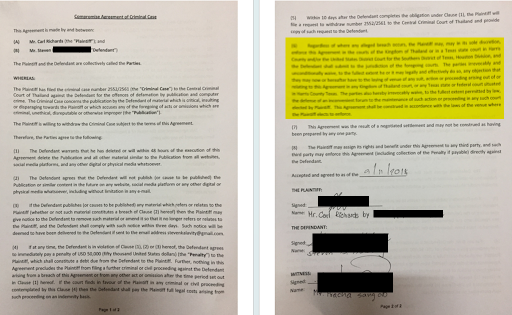
The Confidentiality agreements signed in November 2018 included dispute resolution venues in the Kingdom of Thailand or any Texas state or federal court situated in Harris County Texas:
(6) Regardless of where any alleged breach occurs, the Plaintiff may, may in its sole discretion, enforce this Agreement in the courts of the Kingdom of Thailand or in a Texas state court in Harris County and/or the United States District Court for the Southern District of Texas, Houston Division, and the Defendant shall submit to the jurisdiction of the foregoing courts. The parties irrevocably and unconditionally waive, to the fullest extent he or it may legally and effectively do so, any objection that they may now or hereafter have to the laying of venue of any suit, action or proceeding arising out of or relating to this Agreement in any Kingdom of Thailand court, or any Texas state or federal court situated in Harris County Texas. The parties also hereby irrevocably waive, to the fullest extent permitted by law, the defense of an inconvenient forum to the maintenance of such action or proceeding in any such court elected by Plaintiff. This Agreement shall be construed in accordance with the laws of the venue where the Plaintiff elects to enforce.
Is Duensing – Kippen legally qualified to process a Confidentiality agreement within any Texas state or federal court situated in Harris County Texas? It is a violation of law to assert such legal qualifications if one does not possess them. PGS should know this as they have an office and do business in Harris County Texas.
The Directors of PGS EXPLORATION (UK) LIMITED are the same people who are Directors of Petroleum Geo-Services Inc., the US subsidiary of PGS ASA. PGS has never initiated a claim in the US (Houston, Texas) against SDK where they have an office with legal staff. PGS chooses to use the Thailand system of justice where they have no business entity or agency?
SDK asked many questions to PGS and Duensing – Kippen following his coerced signing of the Confidentiality agreements. SDK moved back to the US in July 2019. SDK had no legal permanent address in Thailand. This can be confirmed by Thailand Immigration. SDK had no right nor ability to remain in Thailand indefinitely.
SDK is a US citizen. PGS and Duensing – Kippen were informed that US citizen SDK had moved back to the US. Yet, PGS and Duensing – Kippen continued to deliver claims where my wife and children were staying. This was not SDKs legal address. Therefore, SDK never regarded the notices as true legal claims but more as illegal harassment.
SDK sent many emails to PGS and Duensing – Kippen from December 2018 through June 2019 requesting answers to many questions about the legality of the PGS EXPLORATION (UK) LIMITED Thailand claims. PGS and Duensing – Kippen would not answer but kept demanding SDK comply with their demands.
In February 2020, PGS and Duensing – Kippen and SDK demanded that SDK attend a court proceeding in Thailand. This was economically and practically infeasable as the COVID-19 crisis was evolving and there were travel restrictions. Again, PGS and Duensing – Kippen continued to demand SDK return to Thailand but never addressed questions regarding the legality of these demands.
Duensing – Kippen and PGS EXPLORATION (UK) LIMITED have refused to deliver Legal Notices and Claims to SDK legal US address outside of Thailand in the English language. The PGS EXPLORATION (UK) LIMITED who brought this claim do not reside in Thailand and cannot even read and comprehend the claims presented to the Thailand courts written in the Thai language.
What is wrong with the laws of England? Between 3 July 2019 and 31 December 2023, PGS never even tried to employ the Confidentiality agreements prohibiting the publication of content which disparages PGS or any of its stakeholders governed by the laws of England. Francas wrote on behalf of PGS EXPLORATION (UK) LIMITED that the Confidentiality terms in the EC remained valid. They allowed the publication of multiple letters and articles mostly requesting answers.
PGS EXPLORATION (UK) LIMITED also never executed the terms of the Agreements for resolution in the state or federal courts of Harris County, Texas. PGS and Duensing – Kippen literally waited until SDK visited Thailand again on a Tourist 30-day visa. PGS does not even have a business entity in Thailand. Nonetheless, PGS EXPLORATION (UK) LIMITED, a company located and registered in England, governed by the laws of England, pursues criminal claims against a former employee and US citizen in Thailand.
FORMATION of CLAIM
Misusing a US citizens passport is a serious US federal crime. Although the US doesn’t have a national identification system for its citizens, the passports issued by the US federal government can serve a similar purpose. These travel documents certify the owner’s identity and allow them to enter and exit the country. Misusing a passport is a fraud crime and anyone who commits the above violations – or helps another commit them – is liable to harsh penalties. According to US federal law, a person commits the offense of misusing a passport by copying and using the passport copy of a US citizen without their permission.
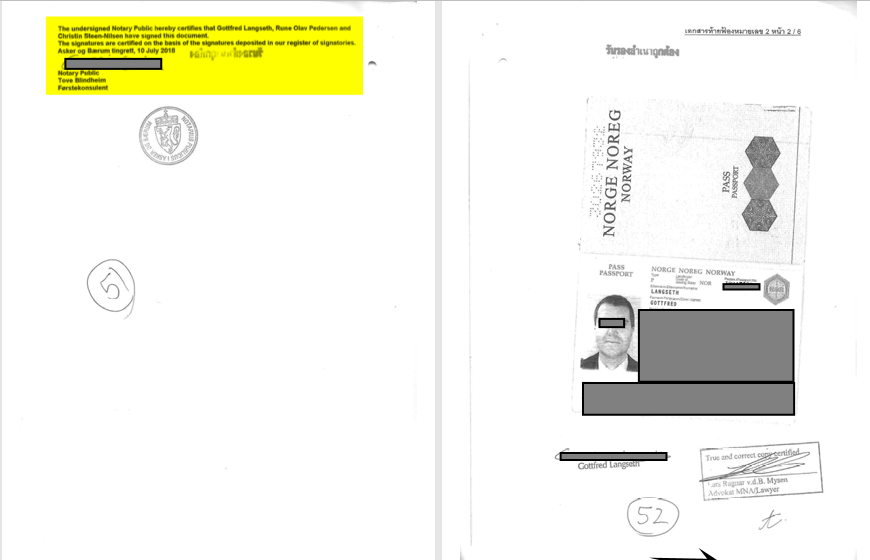
Document evidence (the 2018 Duensing – Kippen PGS EXPLORATION (UK) LIMITED) complaint clearly shows that the criminal complaint prepared by Duensing – Kippen on behalf of PGS EXPLORATION (UK) LIMITED was formed by misusing SDK sensitive data. PGS copied then pasted SDK passport and address information from the 2018 PGS SAR directly into the Duensing – Kippen prepared complaint.
SDK never gave either PGS or Duensing – Kippen permission to copy and share his passport details and registered address in Thailand. PGS was provided with SDK passport and registered Thailand address for the sole purpose of confirming identification to process an SAR. Duensing – Kippen and PGS EXPLORATION (UK) LIMITED) then used this stolen information to form the criminal complaint that allowed them to illegally stalk and harass SDK and his family.
The address Duensing – Kippen and PGS EXPLORATION (UK) LIMITED) have been using is not SDKs legal permanent address in the US but the address where SDK registered while he stayed in Thailand on tourist visa and long – stay marriage visa. Duensing – Kippen and PGS EXPLORATION (UK) LIMITED) have demanded that US citizen SDK return to Thailand from the US to answer false charges of criminal defamation under the Thailand criminal code while ignoring their duties under the laws of England.
PGS and WFW have misused the SDK personal data. SDK provided his passport, US driver license / identication and Thailand address information for the explicit purpose of identification verification for processing the WFW SAR and PGS SAR and deliver information to SDK, if needed. Instead, PGS and WFW illegally retaliated against SDK for publishing legally protected public disclosure implicating PGS and WFW as perpetrators.
PGS and WFW Avoiding Action and Accountability under the Laws of England
In July 2015, following the publication of An American, the UK Data Protection Act, Petroleum Geo-Services (PGS) and the Tyranny of “Accurate Data” (3-Jul-2015) , on the LinkedIn™ Pulse platform. PGS Exploration (UK) Limited had the legal obligation to enforce the Cofidentiality terms of either the 2010 or 2013 signed contracts between PGS Exploration (UK) Limited and SDK that prohibit publication of content that disparages PGS or its stakeholders. PGS and WFW are misusing of the Thailand justice system through Duensing – Kippen in an effort to avoid accountability for their actions by the laws of England.
The reason that there are so many publications is because PGS, WFW, and LZW have refused to enforce and take action using the Confidentiality terms in both the EC and Settlement. PGS, WFW, and LZW have deliberately misled SDK and provided false information to obstruct justice. The employment contract dispute between PGS EXPLORATION (UK) LIMITED and SDK should have never existed. There should have never been a Settlement.
Confidentiality clauses cannot be used to prevent whistleblowing under PIDA. (The same is true under the laws of Norway.) However, the Settlement was unlawfully used to silence and remove SDK and his family from England to the US (Houston, Texas). PGS EXPLORATION (UK) LIMITED employed law firm Watson Farley & Williams to process the Settlement that in its final form referenced the 20 September 2013 grievance (the “Grievance”).
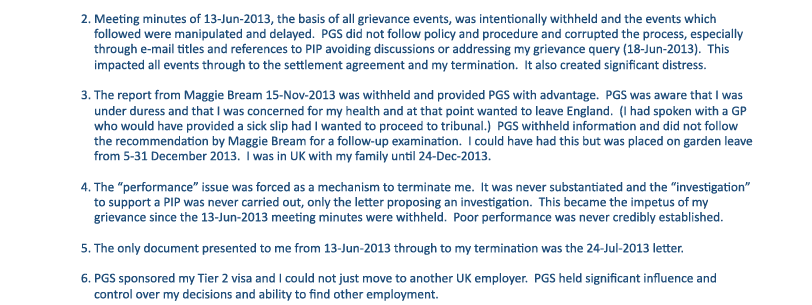
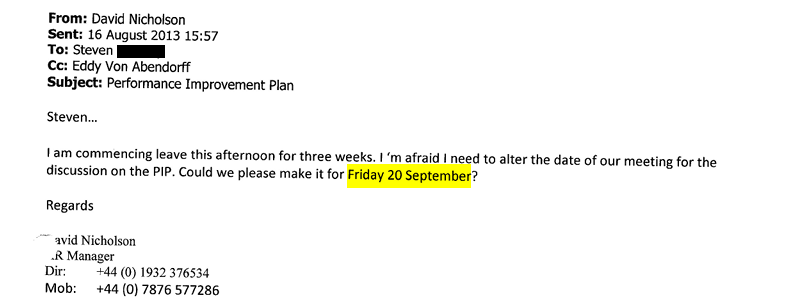
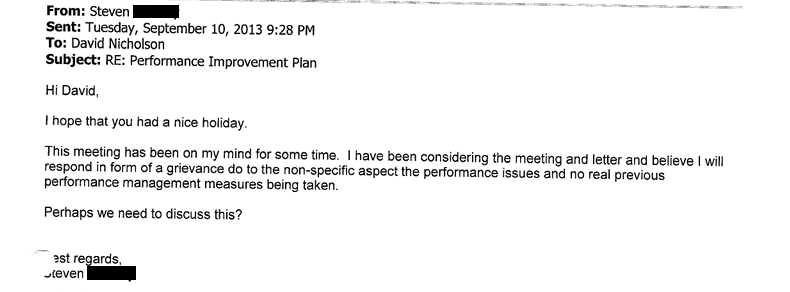
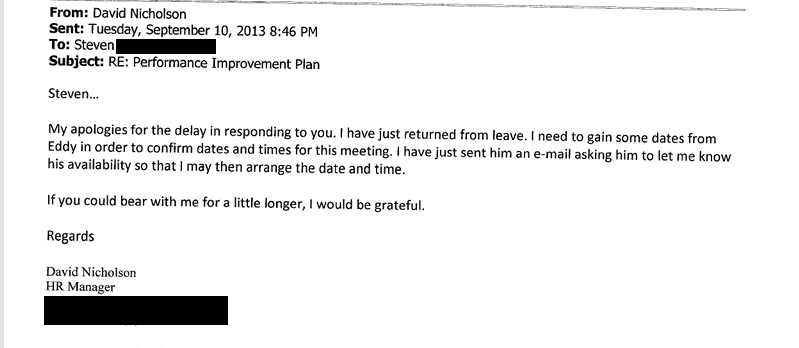
The Grievance was qualifying disclosure, or whistleblowing. SDKs hired law firm LZW to advise on the Grievance and help SDK. Instead, LZW conspired with PGS and WFW to illegally terminate a US citizen whistleblower. SDK became aware of this later when he was back in the US.This is why PGS, WFW, and LZW do not want to pursue justice in the courts of England as the EC and Settlement prescribe.
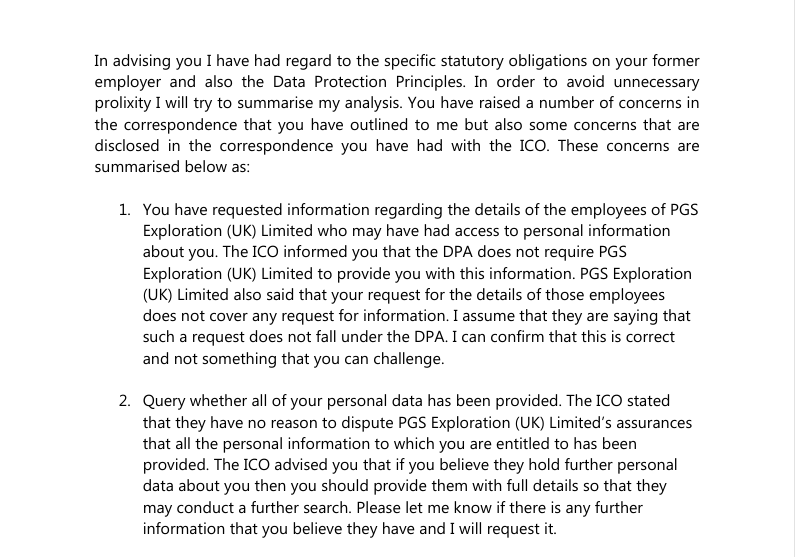
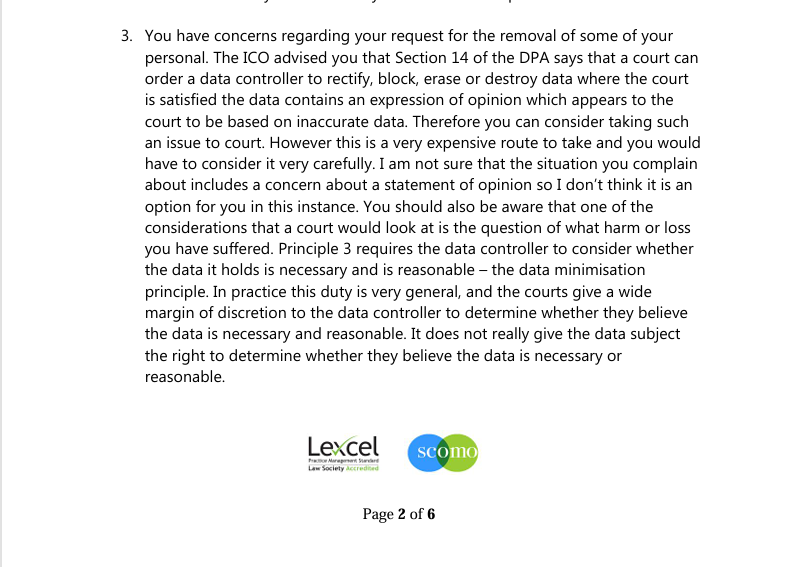
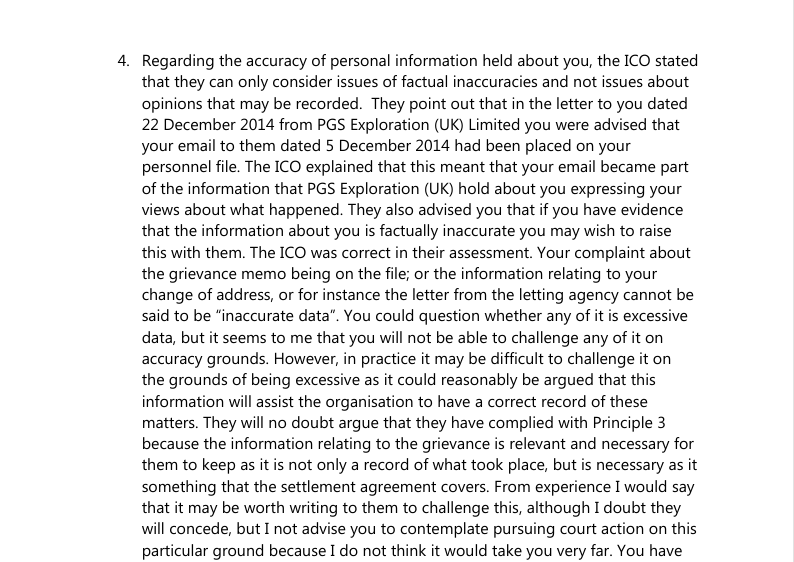
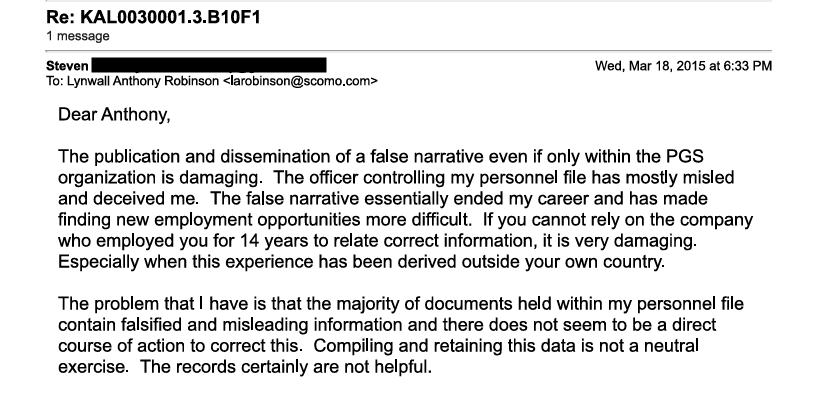
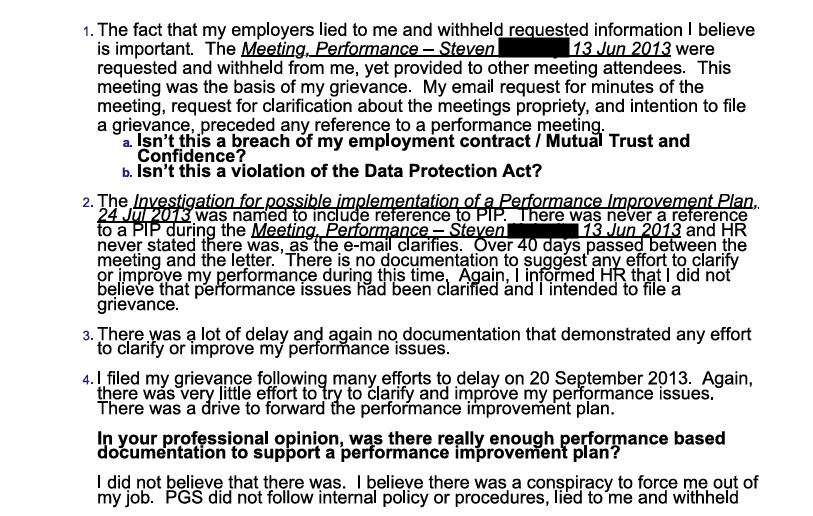
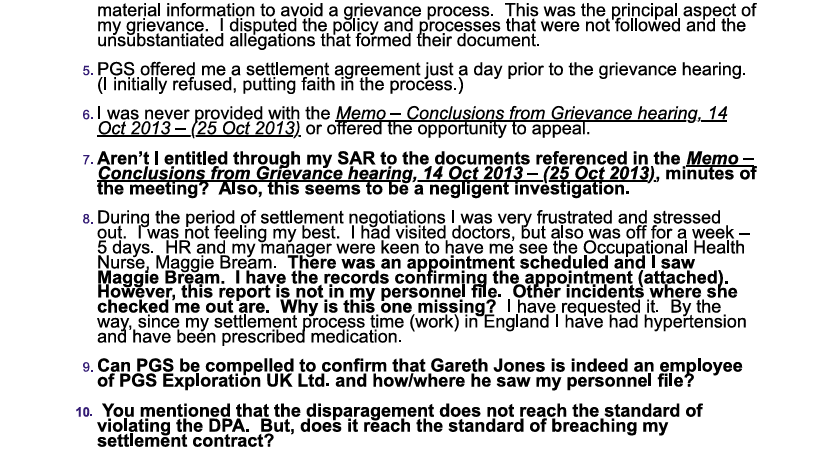
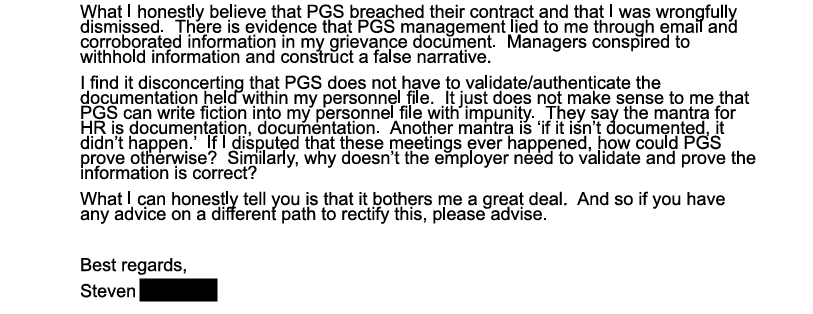
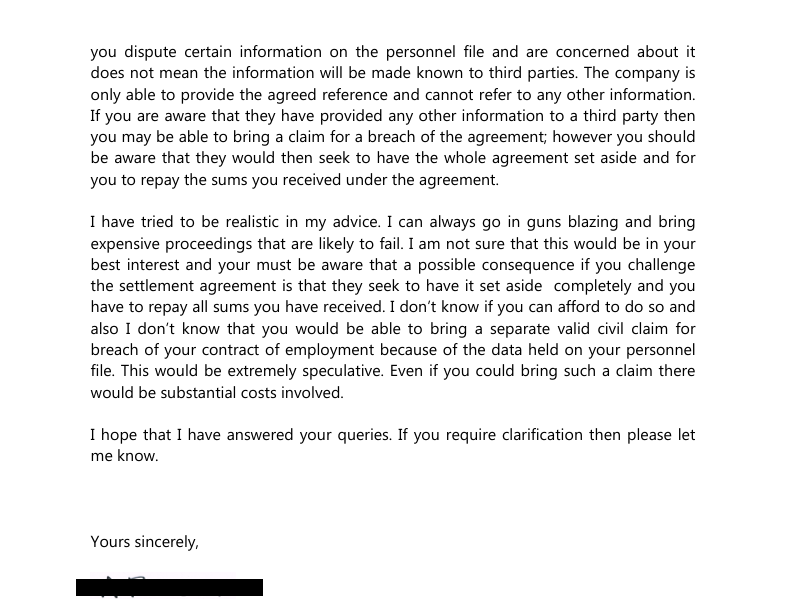
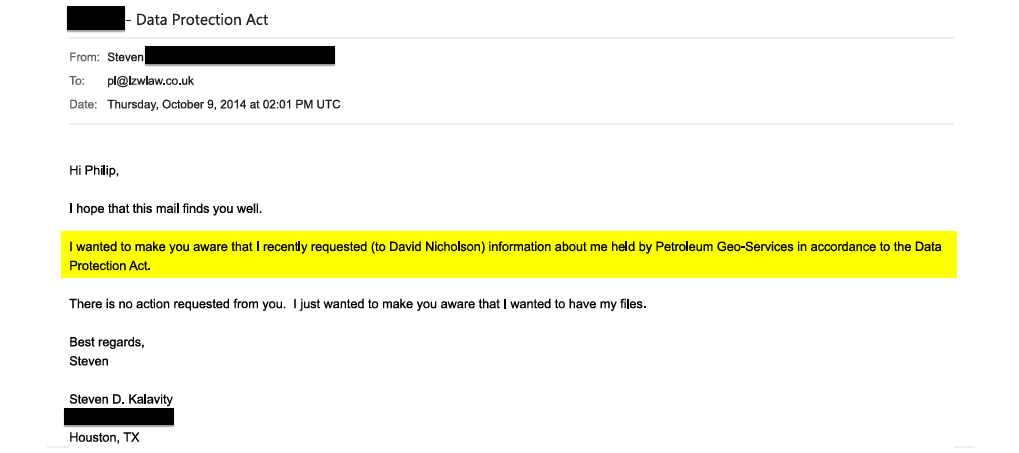
In October 2014, SDK submitted a subject access request (SAR) citing the UK Data Protection Act 1998. I received the personal subject data including his professional personnel file. SDK discovered that PGS EXPLORATION (UK) LIMITED was processing fake personal data. None of the documents being processed bore his signature except the Settlement. SDK believes that he was the target of a conspiracy to defraud. This is the subject of most of the SDK publications that PGS declares to be defamation.
Upon that discovery, SDK complained vigorously. SDK sought legal advice on how to proceed. SDK filed an ActionFraud (police) report August 2015. SDK knew something was very wrong, but no one would help or investigate the matter. On July 3, 2015, SDK wrote about his experience with the SAR and published it on his LinkedIn™ Pulse space. There was no reaction to ‘An American, the UK Data Protection Act, Petroleum Geo-Services (PGS) and the Tyranny of “Accurate Data”’ from PGS, in terms of citing a contract breach for publishing disparaging content.
SDK continued publishing and commenting on the PGS LinkedIn™ page exposing corruption. PGS never commented or invoked a contract breach. SDK wrote multiple emails to PGS compliance and was ignored. Making no progress, SDK began publishing articles to vent his frustrations since all of the official channels were ineffective. SDK first began publishing on the LinkedIn™ Pulse platform. Many of these articles / links were Emailed to PGS Compliance. PGS never cited any breach in either the EC or Settlement.
SDK also tried to excite legal action by posting comments in the PGS LinkedIn™ space. Again, PGS never cited a breach in either the Confidentiality terms of the EC or the Settlement that prohibit publications that disparage PGS or any of its stakeholders. On 20 August 2016, SDKs LinkedIn™ account was restricted. PGS got the legal public disclosure removed through complaining to LinkedIn™ and not employing the contract Confidentiality terms that restrict desparaging former employers but not blowing the whistle!
The list and links to several of SDK publications that contained documented evidence (emails, etc.) PGS demanded removed and destroyed from the internet:
• Boycott Petroleum Geo-Services (PGS) Capital Markets (25-Jul-2016) • Petroleum Geo-Services (PGS) Mob Gaslighting (30-Jun-2016) • Petroleum Geo-Services (PGS) Mob Values (14-Jun-2016) • The Petroleum Geo-Services (PGS) Ambush Meeting and the Definition of Fraud (24-May-2016) • Petroleum Geo-Services (PGS) and the Veneer of Governance (8-May-2016) • Our Deepwater Horizon (4 April 2016) • Petroleum Geo-Services (PGS) Markets and the Anonymous Executive (9-Feb-2016) • Workplace Bullying is an Agency Problem and Often a Crime (1-Feb-2016) • The Society of Exploration Geophysicists (SEG) Should Expel Petroleum Geo-Services (PGS) CEO Jon Erik Reinhardsen (11-Oct-2015) • Petroleum Geo-Services (PGS) CEO Jon Erik Reinhardsen Should Resign 2 (20-Sep-2015) • Petroleum Geo-Services (PGS) CEO Jon Erik Reinhardsen Should Resign (6-Sep-2015) • When Human Resources is Corrupt (10-Aug-2015) • An American, the UK Data Protection Act, Petroleum Geo-Services (PGS) and the Tyranny of “Accurate Data” (3-Jul-2015) • Between the Bully and the Deep Blue Sea (5-Jun-2015)
In August 2016, SDK created and published old and new content on personal website, NoPGS.com (NO Psychopaths in Geo-Services) and published new content. Again, SDK made PGS compliance aware of these publications. And still, PGS EXPLORATION (UK) LIMITED never exercised their legal and fiduciary duty to protect the Company reputation and value through a claim citing the EC and Settlement Confidentiality clauses.
• Petroleum Geo-Services ASA (PGS) EVP Per Arild Reksnes Operations Artifice (9-Jun-2018) p105-106 • How Corrupt Bullies and Lawyers Ruined a Marine Geophysical Company 20-May-2018) p107 • Carl Richards’, Secretary, PGS Exploration UK Limited, Silence Implies Agreement and the Abrogation of Fiduciary Duty (20 April 2018) p108-109 • Norway’s Equinor Corruption Perception Delusion and Moral Turpitude (21 March 2018) p109-111 • Carl Richards, Arbitrary and Capricious Company Secretary, PGS Exploration (UK) Limited (24 Feb 2018) p112-118 • 17) A Texan’s Run-in with Criminals in #Weybridge, #England (30-Jan-2018) • The Crimes of @PhilipLandau #London #EmploymentLaw #Solicitor and Petroleum Geo-Services #PGS #CEO #Pedersen (30-Dec-2017) p118-120 • Norway Oil and Gas Industry Corruption Flows through Petroleum Geo-Service ASA (PGS) (11-Dec-2017) • Why Focusing on #HarveyWeinstein #Harassment is a Problem (16 November 2017) • ActionFraud Report (Posted November 2017) • Petroleum Geo-Services #PGS #CEO #Pedersen and the Management of Gang Rape (24 October2017) p120-123 • My Philip Landau and Watson, Farley & Williams (WFW) London Solicitors Testimonial ( 8 November 2016 updated 9 April 2017 ) • The Society of Exploration Geophysicist (SEG) Should Investigate the Petroleum Geo-Services (PGS) CEO Reinhardsen Cabal ( 17 October 2016 ) • Open Letter to Petroleum Geo-Services ASA Board of Directors (18 June 2017) p124-128 • Petroleum Geo-Services ASA (@PGSNews) CEO Reinhardsen Perverting the Course (1 June 2017 ) • What #PhilipLandau, #London #EmploymentLaw Solicitor taught me about Settlement Contracts (30 April 2017) p128-129 • Petroleum Geo-Services ASA (@PGSNews) CEO Reinhardsen Perverting the Course (1 June 2017) p129-131 • Culture Breathes from Human Resources (24 September 2016) • The Crimes of Petroleum Geo-Services (PGS) CEO Jon Erik Reinhardsen (4-Sep-2016) • Boycott Petroleum Geo-Services (PGS) (20-Aug-2016)
PGS has never taken any action against SDK citing a contract breach of either EC and the Settlement. SDK has published, within several publications, that the Settlement is an illegal instrument. PGS, WFW, and SDKs advisors, LZW conspired to coerce SDK into signing the Settlement. As part of the Settlement terms, SDK and his family were sent out of England back to the US. SDK was reimbursed when he was back in the US. In this way, SDK could not easily use the courts of England.
Rune Olav Pederson was with PGS ASA Legal Compliance when the 20 September 2013 Grievance was submitted and when the false / forged records were placed into SDKs professional personnel file.
SDK Provided PGS Data Protection Officer Sensitive Personal Data for Identity Verification to process a subject access request ONLY!
While § 1028 addresses general identification fraud, the federal government often uses more specific laws for passport crimes:
18 U.S.C. § 1028A: Aggravated Identity Theft, which adds a mandatory, consecutive 2-year prison sentence if a stolen identity is used during specific federal felonies.
18 U.S.C. § 1544: Misuse of a passport (using someone else’s valid passport).
SDK Sensitive Personal Data was used to process an Criminal Defamation claim in Thailand. This data was also used to stalk and harass a US citizen whistleblower. SDK was arrested upon entry into Thailand and detained.
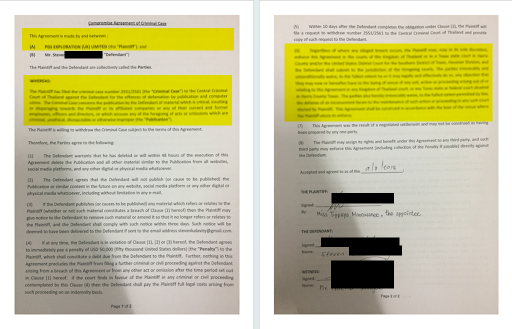
The Plaintiff and the Defendant are collectively called the Parties.
WHEREAS:
The Plaintiff has filed the criminal case number 2552/2561 (the “Criminal Case”) to the Central Criminal Court of Thailand against the Defendant for the offences of defamation by publication and computer crime. The Criminal Case concerns the publication by the Defendant of material which is critical, insulting, or disparaging towards the Plaintiff or which accuses any of the foregoing of acts or omissions which are criminal, unethical, disreputable or otherwise improper (the “Publication”).
The Plaintiff is willing to withdraw the Criminal Case subject to the terms of this Agreement.
Therefore, the Parties agree to the following:
(1) The Defendant warrants that he has deleted or will within 48 hours of the execution of this Agreement delete the Publication and all other material similar to the Publication from all websites, social media platforms, and any other platforms, and any other digital or physical media whatsoever.
(2) The Defendant agrees that the Defendant will not publish (or cause to be published) the Publication or similar content in the future on any website, social media platform or any other digital or physical media whatsoever, including without limitation in any e-mail.
(3) If the Defendant publishes (or causes to be published) any material which refers or relates to the Plaintiff (whether or not such material constitutes a breach of Clause (2) hereof) then the Plaintiff may give notice to the Defendant to remove such material or amend it so that it no longer refers or relates to the Plaintiff, and the Defendant shall comply with such notice within three days. Such notice will be deemed to have been delivered to the Defendant if sent to the email address
(4) If at any time, the Defendant is in violation of Clause (1), (2) or (3) hereof, the Defendant agrees to immediately pay a penalty of USD 50,000 (fifty thousand United States dollars) (the “Penalty”) to the Plaintiff, which shall constitute a debt due from the Defendant to the Plaintiff. Further, nothing in this Agreement precludes the Plaintiff from filing a further criminal or civil proceeding against the Defendant arising from a breach of this Agreement or from any other act or omission after the time period set out in Clause (1) hereof. If the court finds in favour of the Plaintiff in any criminal or civil proceeding contemplated by this Clause (4) then the Defendant shall pay the Plaintiff full legal costs arising from such proceedings on an indemnity basis.
(5) Within 10 days after the Defendant completes the obligation under Clause (1), the Plaintiff will file a request to withdraw number 2552/2561 to the Central Criminal Court of Thailand and provide a copy of such request to the Defendant.
(6) Regardless of where any alleged breach occurs, the Plaintiff may, may in its sole discretion, enforce this Agreement in the courts of the Kingdom or Thailand or in a Texas state court in Harris County and/or the United States District Court for the Southern District of Texas, Houston Division, and the Defendant shall submit to the jurisdiction of the foregoing courts. The parties irrevocably and unconditionally waive, to the fullest extent he or it may legally and effectively do so, any objection that they may now or hereafter have to the laying of venue of any suit, action, or proceeding arising out of or relating to this Agreement in any Kingdom of Thailand court, or any Texas state or federal court situated in Harris County Texas. The parties also hereby irrevocably waive, to the fullest extent permitted by law, the defense of an inconvenient forum to the maintenance of such action or proceeding in any such court elected by Plaintiff. This Agreement shall be construed in accordance with the laws of the venue where the Plaintiff elects to enforce.
(7) This Agreement was the result of a negotiated settlement and may not be construed as having been prepared by any one party.
(8) The Plaintiff may assign its rights and benefit under this Agreement to any third party, and such third party may enforce this Agreement (including collection of the Penalty if payable) directly against the Defendant.
Accepted and agreed to as of the 9/11/2018 (09 November 2018)
THE PLAINTIFF:
Mr. Carl Richards by Miss Tippaya Moonmanee
THE DEFENDANT:
NNN
WITNESS:
Mr. Pracha Sangob
Compromise Agreement of Criminal Case
This Agreement is made by and between:
(A) PGS EXPLORATION (UK) LIMITED (the “Plaintiff”); and
(B) Mr. Steven David Kalavity (the “Defendent”)
The Plaintiff and the Defendant are collectively called the Parties.
WHEREAS:
The Plaintiff has filed the criminal case number 2551/2561 (the “Criminal Case”) to the Central Criminal Court of Thailand against the Defendant for the offences of defamation by publication and computer crime. The Criminal Case concerns the publication by the Defendant of material which is critical, insulting, or disparaging towards the Plaintiff or which accuses any of the foregoing of acts or omissions which are criminal, unethical, disreputable or otherwise improper (the “Publication”).
The Plaintiff is willing to withdraw the Criminal Case subject to the terms of this Agreement.
Therefore, the Parties agree to the following:
(1) The Defendant warrants that he has deleted or will within 48 hours of the execution of this Agreement delete the Publication and all other material similar to the Publication from all websites, social media platforms, and any other platforms, and any other digital or physical media whatsoever.
(2) The Defendant agrees that the Defendant will not publish (or cause to be published) the Publication or similar content in the future on any website, social media platform or any other digital or physical media whatsoever, including without limitation in any e-mail.
(3) If the Defendant publishes (or causes to be published) any material which refers or relates to the Plaintiff (whether or not such material constitutes a breach of Clause (2) hereof) then the Plaintiff may give notice to the Defendant to remove such material or amend it so that it no longer refers or relates to the Plaintiff, and the Defendant shall comply with such notice within three days. Such notice will be deemed to have been delivered to the Defendant if sent to the email address stevenkalavity@gmail.com.
(4) If at any time, the Defendant is in violation of Clause (1), (2) or (3) hereof, the Defendant agrees to immediately pay a penalty of USD 50,000 (fifty thousand United States dollars) (the “Penalty”) to the Plaintiff, which shall constitute a debt due from the Defendant to the Plaintiff. Further, nothing in this Agreement precludes the Plaintiff from filing a further criminal or civil proceeding against the Defendant arising from a breach of this Agreement or from any other act or omission after the time period set out in Clause (1) hereof. If the court finds in favour of the Plaintiff in any criminal or civil proceeding contemplated by this Clause (4) then the Defendant shall pay the Plaintiff full legal costs arising from such proceedings on an indemnity basis.
(5) Within 10 days after the Defendant completes the obligation under Clause (1), the Plaintiff will file a request to withdraw number 2552/2561 to the Central Criminal Court of Thailand and provide a copy of such request to the Defendant.
(6) Regardless of where any alleged breach occurs, the Plaintiff may, may in its sole discretion, enforce this Agreement in the courts of the Kingdom or Thailand or in a Texas state court in Harris County and/or the United States District Court for the Southern District of Texas, Houston Division, and the Defendant shall submit to the jurisdiction of the foregoing courts. The parties irrevocably and unconditionally waive, to the fullest extent he or it may legally and effectively do so, any objection that they may now or hereafter have to the laying of venue of any suit, action, or proceeding arising out of or relating to this Agreement in any Kingdom of Thailand court, or any Texas state or federal court situated in Harris County Texas. The parties also hereby irrevocably waive, to the fullest extent permitted by law, the defense of an inconvenient forum to the maintenance of such action or proceeding in any such court elected by Plaintiff. This Agreement shall be construed in accordance with the laws of the venue where the Plaintiff elects to enforce.
(7) This Agreement was the result of a negotiated settlement and may not be construed as having been prepared by any one party.
(8) The Plaintiff may assign its rights and benefit under this Agreement to any third party, and such third party may enforce this Agreement (including collection of the Penalty if payable) directly against the Defendant.
Accepted and agreed to as of the 9/11/2018 (09 November 2018)
English Company Breaches Employment Contract and Termination Settlement Contract both Governed by the law of England through launching claims in Thailand Retalitating Against a US citizen former employee Whistleblower.
Illegal Whistleblower Retaliation through a Conspiracy to Pervert the Course of Justice and Conspire to Defraud
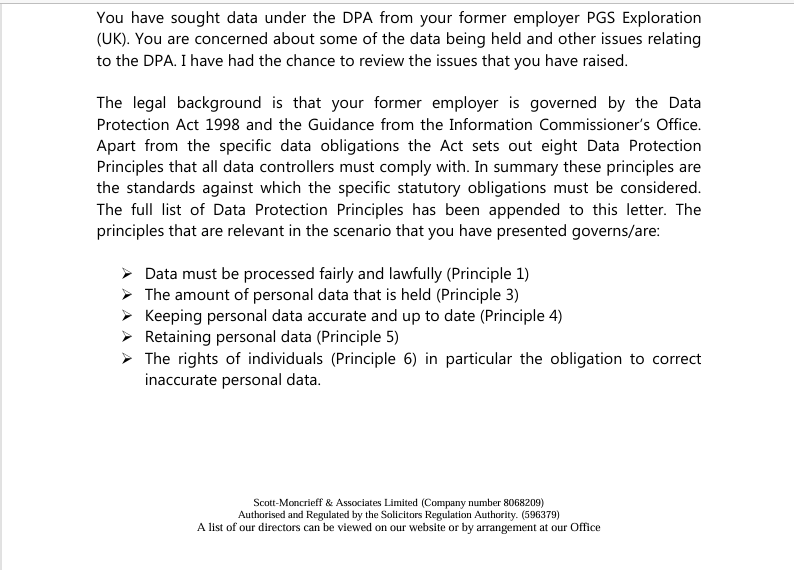
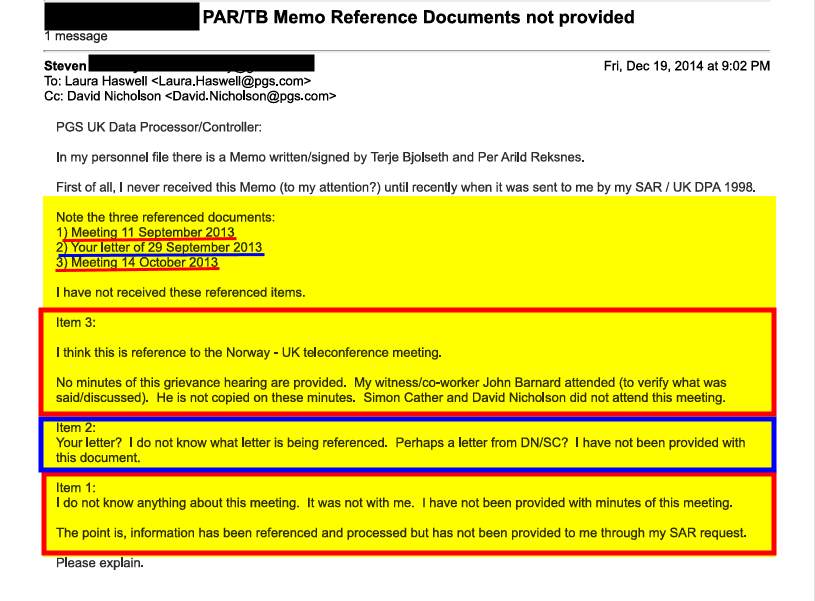
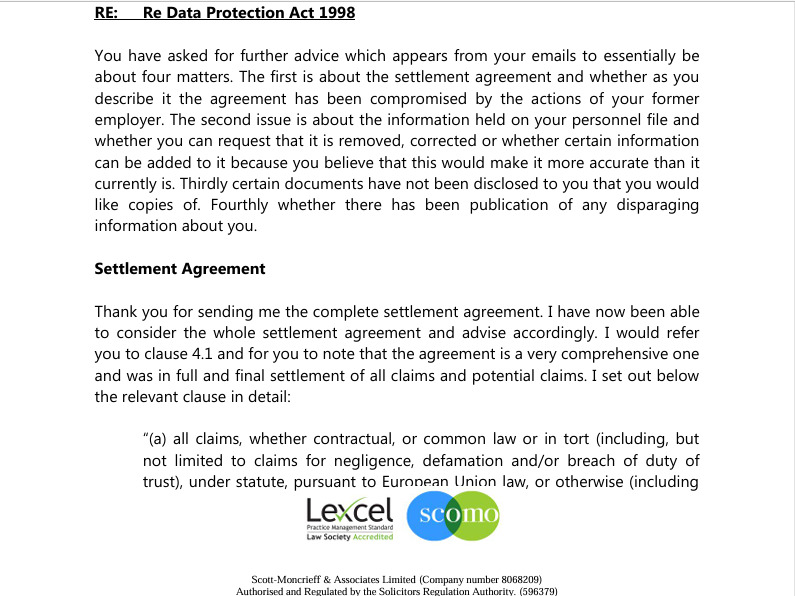
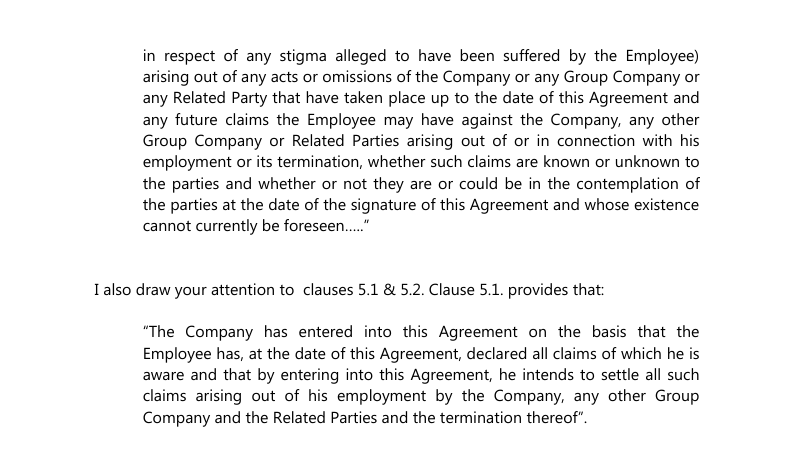
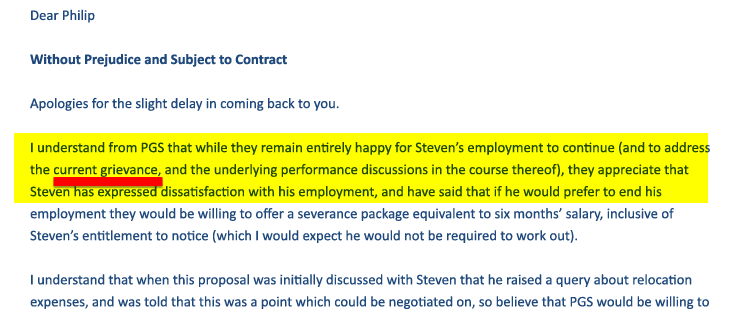
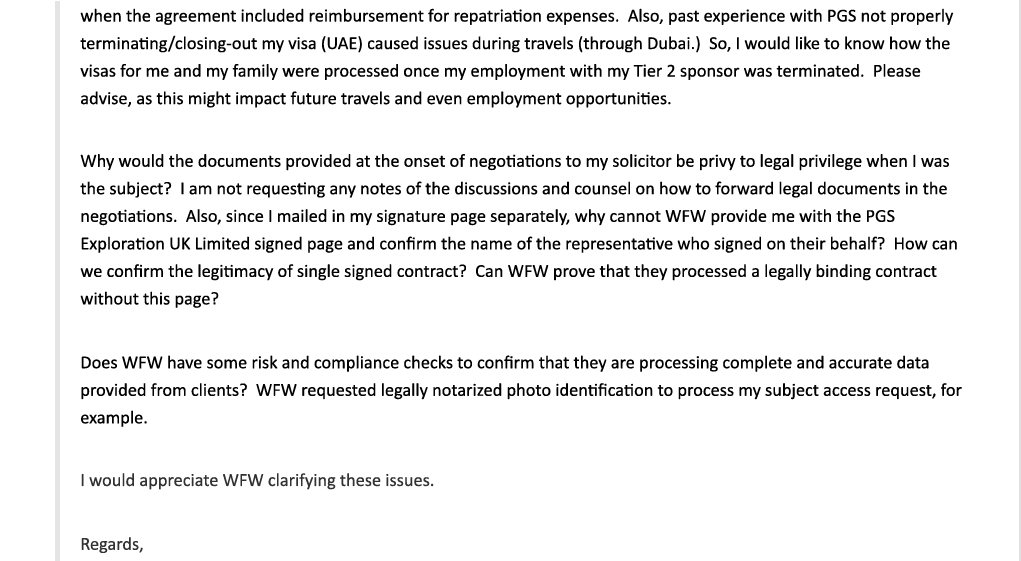
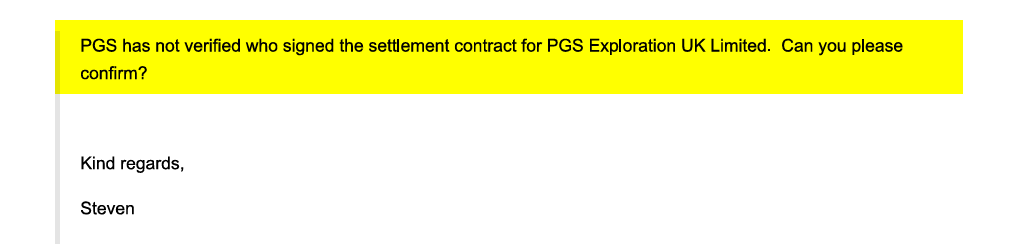
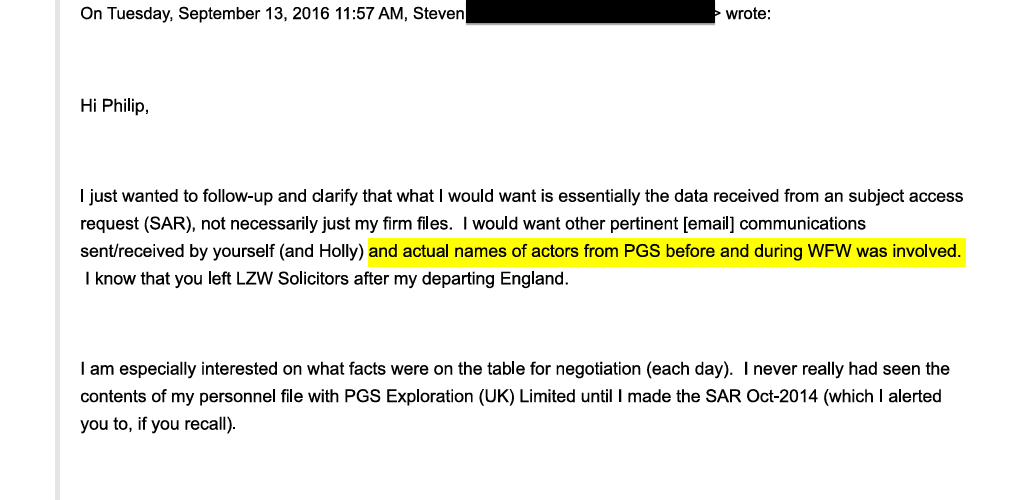
The 20 September 2013 Submitted Grievance is referenced within the 5 December 2013 signed termination settlement but is not being processed by Watson Farley & Williams? At the start of the termination settlement discussions that Watson Farley & Williams’ solicitor Rhodri Thomas represented on behalf of the Company, a grievance was also referenced. This is personal data that Watson Farley & Williams, Rhodri Thomas, claims to have reviewed .
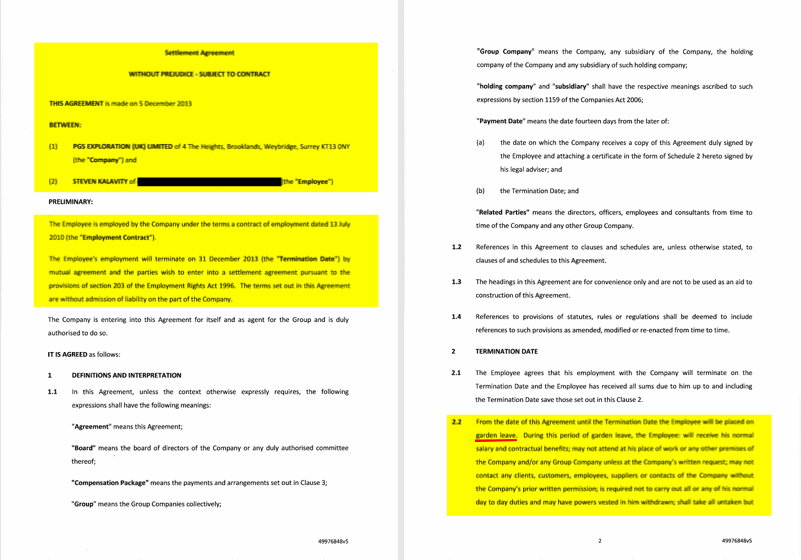
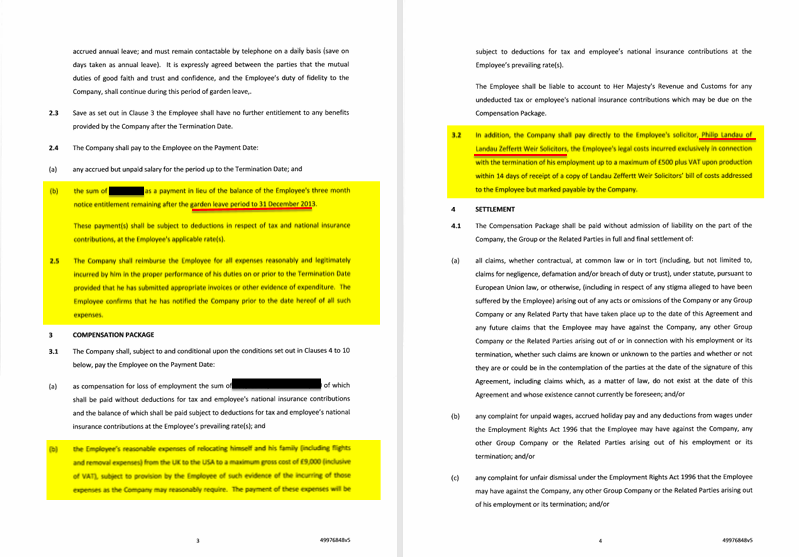
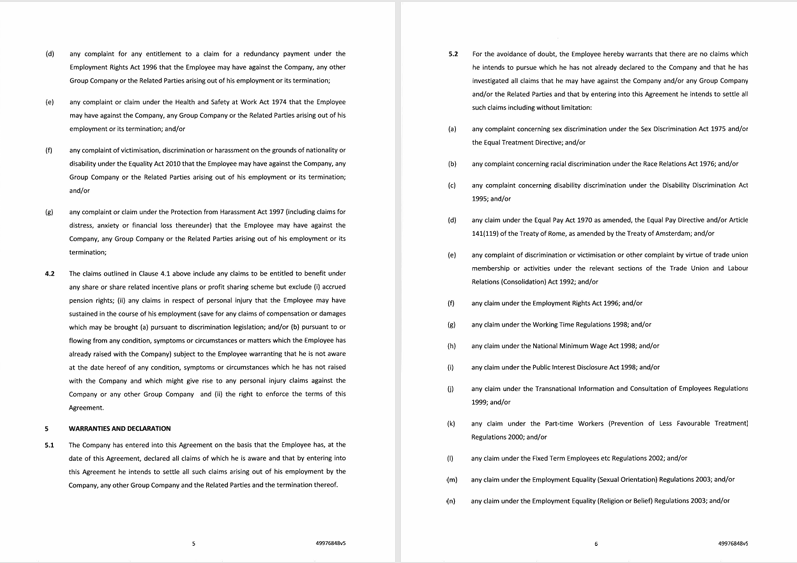
Excerpt from signed 5 December 2013 termination settlement contract:
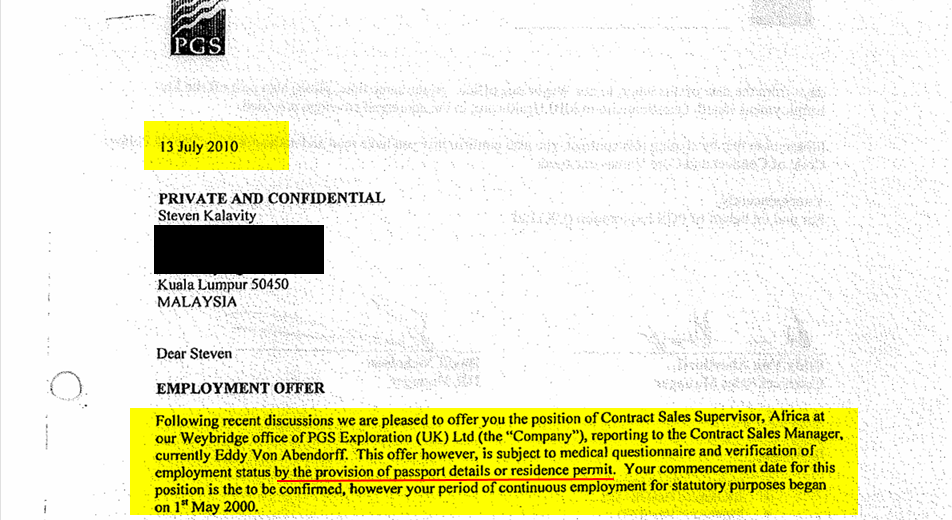
Watson Farley & Williams advised on the subject application for a Tier 2 visa and visa for dependent family members to legally work and live in England. The Offer Letter clearly states that validation of passport data must preceed any employment.
The submitted subject access request was made while the subject was living in Thailand. Watson Farley & Williams representative, Neeta Aulak was provided with notarized copies of the subjects US passport and US Texas state driver license. Further, Watson Farley & Williams advises the Company on matters of EMPLOYMENT LAW.
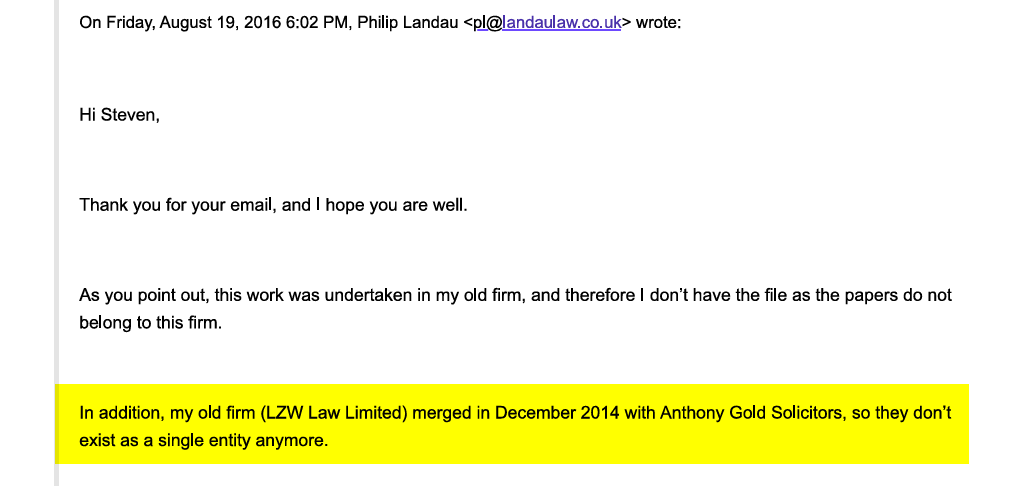
The subject could not have been legally employed as a US citizen in England without Company sponsorship of a Tier 2 visa. To suggest that such data is not inclusive to relevant processed data is ridiculous and demonstrates that Watson Farley & Williams is conspiring with the Company (officers) and the subjects “Legal Advisor” Philip Simon Landau.
However, the real reason that the Tier 2 visa material is not being provided is because the Company, their legal advisors, Watson Farley & Williams, and the subjects legal advisor, Philip Simon Landau, conspired to defraud the subject and did not follow their legal requirement of termination. The termination would have been illegal if it was because the subject blew the whistle.
When a UK Tier 2 (now Skilled Worker) sponsor terminates a sponsored employee, they must report the termination to UK Visas and Immigration (UKVI) within 10 working days of the employee’s final contract date.
Failure to do so constitutes a serious compliance breach and can jeopardize the employer’s sponsor license.
Required Actions for Employers
Report via the SMS: A Level 1 user must log into the online Sponsor Management System (SMS) to report that sponsorship has ended.
Provide Vital Details: The report must include the exact termination date, the core reason for ending sponsorship (e.g., redundancy, dismissal, resignation), and the employee’s last known contact details, including their home address, personal phone number, and personal email.
Retain HR Records: All personnel and right-to-work documents relating to the sponsored worker must be kept safely for at least one year from the date of termination, or until a UKVI compliance officer reviews them during an audit, whichever comes first.
Follow UK Employment Law: Sponsoring a worker does not bypass domestic employment laws; the redundancy or dismissal process must still be contractually and procedurally fair to avoid employment tribunals.
Next Steps for the Worker
Once the employer submits the SMS notification, the Home Office will process it and send a visa curtailment letter directly to the worker. This officially cuts their visa short to 60 days (or whatever time remains on their visa, if less). During this time, they must secure a new sponsor, switch to an alternative visa route, or leave the UK.
Philip Simon Landau was hired and paid by the Whistleblower as a Legal Advisor.
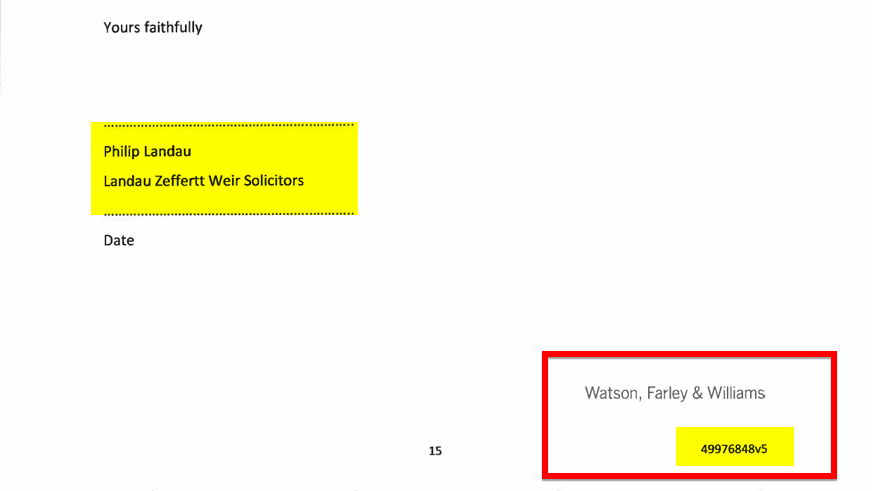
Watson Farley & Williams is legal counsel for the Whistleblower employer and processed the final termination settlement contract.
When a UK law firm merges or dissolves, advisors must securely retain client settlement records for the statutory limitation period, typically 6 years, under the Limitation Act 1980. Under the ICO UK GDPR guidelines, they must uphold client confidentiality, securely manage data transfers, and enforce secure disposal afterward.
Responsibilities During a Firm Merger
Data Controller Accountability: The original firm acts as the data controller and bears the responsibility of managing personal data appropriately during the transaction protecting data during the sale of a law firm.
Due Diligence: The merging firms must adhere to the ICO Data Sharing Code of Practice by establishing a lawful basis for transferring files and ensuring the successor firm has robust security measures.
Client Consent & Confidentiality: Client files cannot be freely treated as assets. The Solicitors Regulation Authority (SRA) requires that client confidentiality is maintained, and explicit consent is often necessary before transferring active files to a successor firm SRA guidance on closing down your practice.
Responsibilities During a Firm Dissolution
Statutory Retention: Client settlement files must be preserved for at least 6 years (or up to 15 years for deeds) to protect against potential professional negligence claims Law Society Guidance on closed files.
Secure Storage & Minimisation: Under UK GDPR, data should not be kept longer than necessary. Advisers must ensure these closed files are kept highly secure, either by transferring them to an approved storage facility or an alternate authorised firm Law Society advice on managing files.
Regulatory Reporting: The dissolving firm must formally notify the SRA of the closure, providing details on storage locations and designating a manager whom former clients can contact regarding their files SRA reporting on closures.
The Termination Settlement Contract that was signed 5 December 2013 by the advice of Philip Simon Landau. The terms of termination included reimbursed moving expenses from Weybridge, England to Houston, Texas, USA.
The Whistleblower was technically employed (being paid) through 31 December 2013. There had been plans to visit Denver, Colorado, USA for the Christmas through New Year holiday period and then head to Houston. The Whistleblower did not have a home in Houston to move the family to. Following a period of time, the family got situated and the household goods from England arrived. Once moved in, the Whistleblower submitted expenses to England. Oddly, the human resources (HR) who was implicated in the acts of harassment, discrimination, and defamation, as stated within the 20 September 2013 Grievance document, handled closing out the terms of the Termination Settlement Contract and delivering the money. This was finalized in about April 2014.
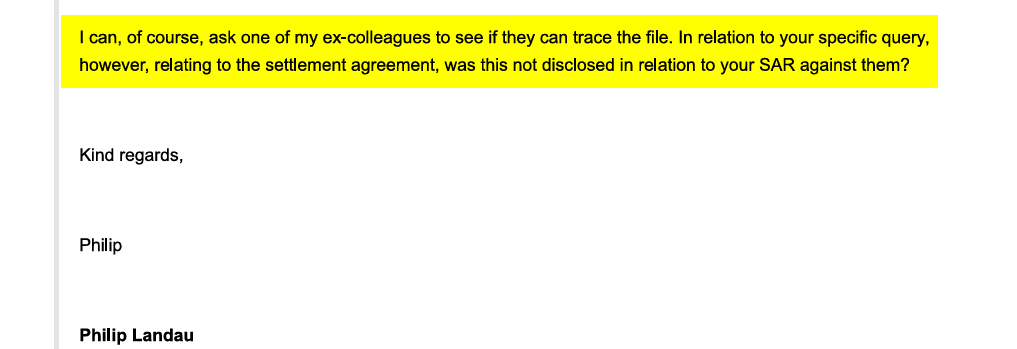
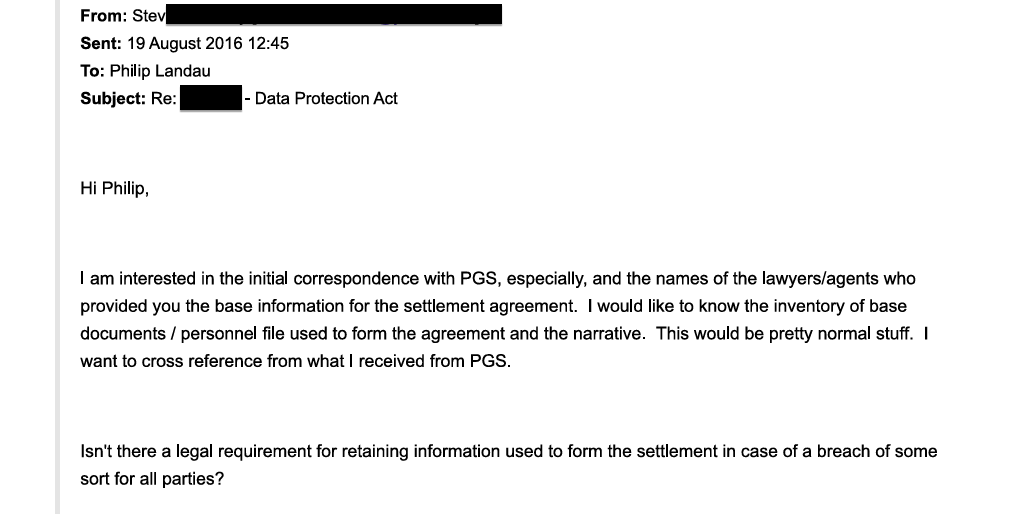
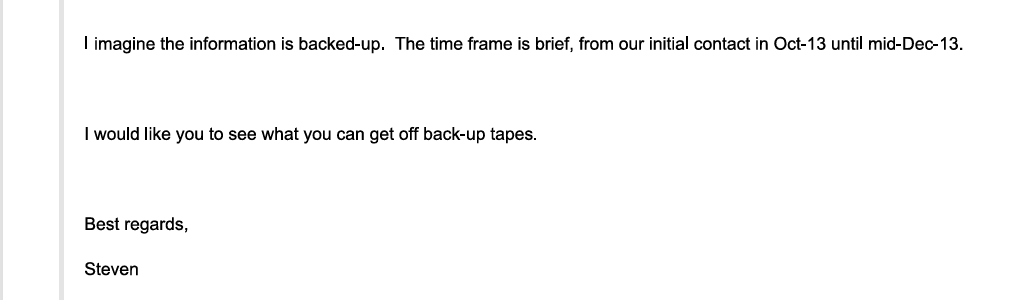
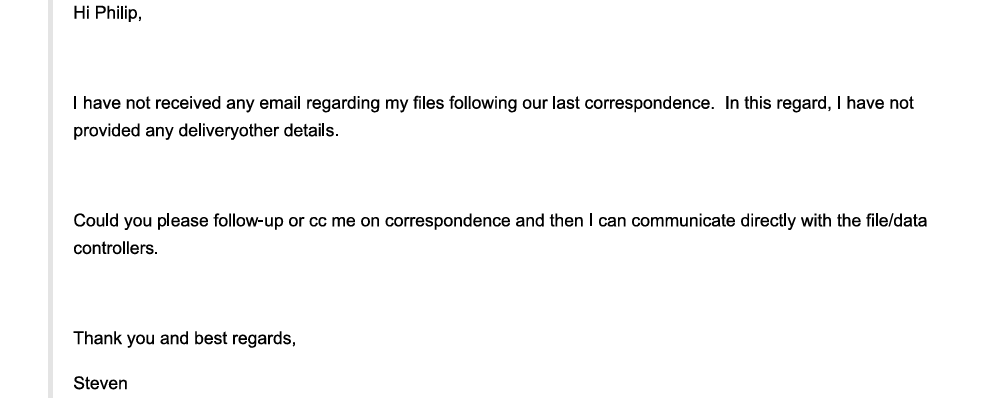
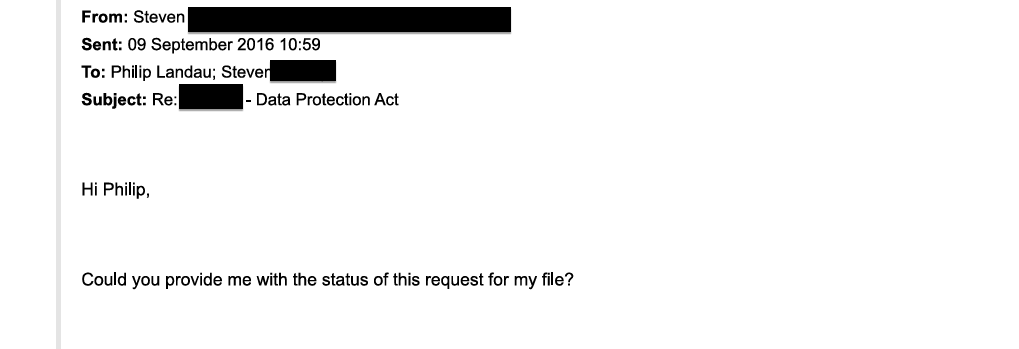
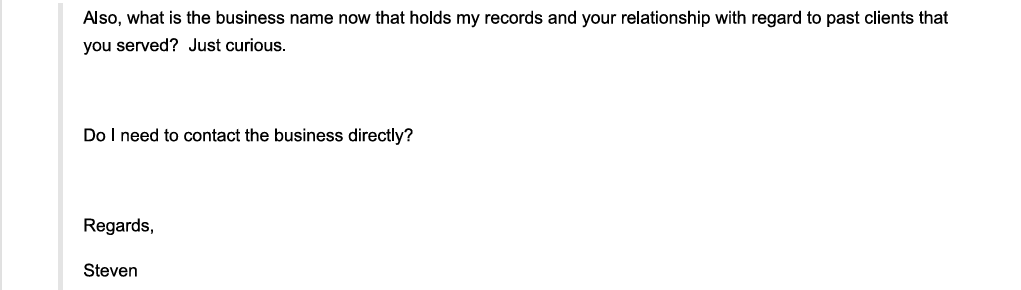
There was no communications between Philip Simon Landau and the Whistleblower prior to the request for the legal file. Philip Simon Landau never confirmed that the Company fulfilled the terms through international removal reimbursement costs.
(Looking back, this was ensurance that the Whistleblower would leave England and not be able to easily pursue legal redress.)
Data Protection Act Subject Access Request Detected Fraud
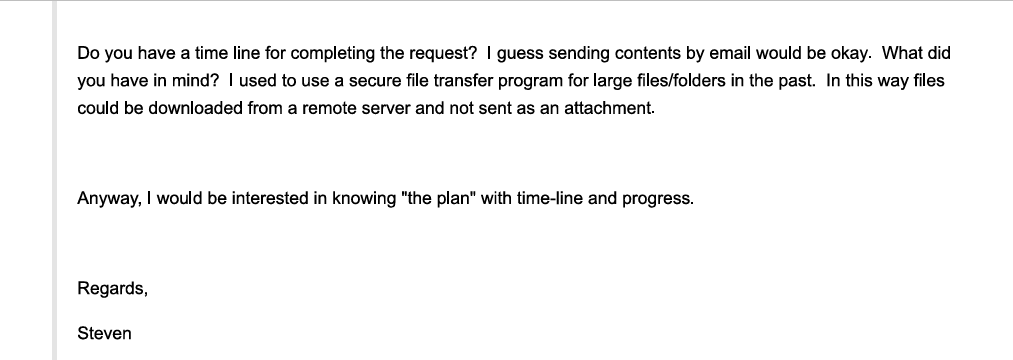
In October 2014, the Whistleblower submitted a subject access request (SAR) citing the Data Protection Act.
zzzz
zzzz
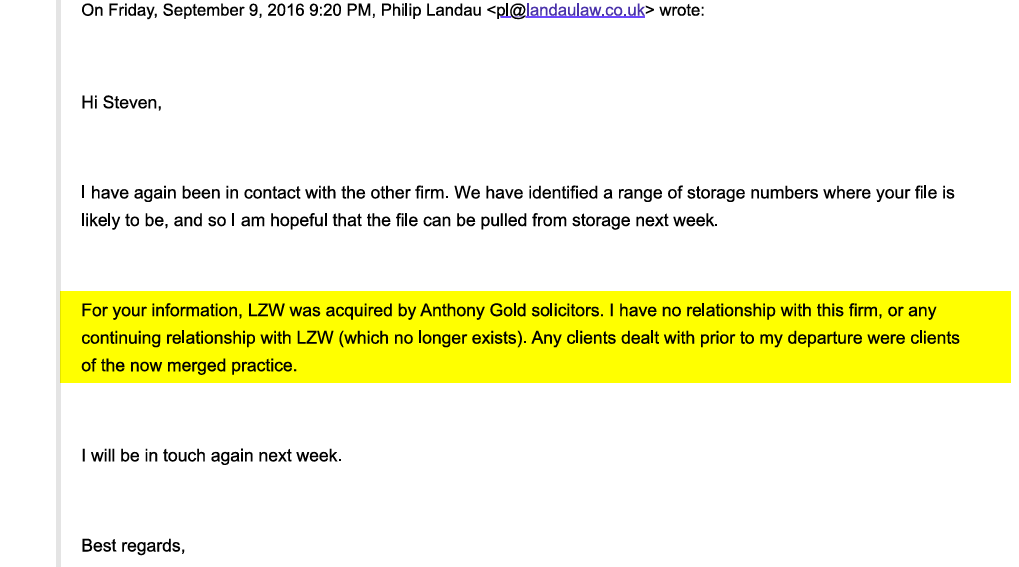
Under UK law, law firms are required by the Solicitors Regulation Authority (SRA) to notify current and former clients of mergers, acquisitions, or closures, and to inform them of how their files and any active undertakings will be handled SRA Firm Closures Guidance. Solicitors owe a continuous duty of care to their clients, even after a firm ceases operating
If your legal advisor’s firm merged, the successor firm typically takes on the liabilities and responsibilities of the previous practice. If the firm dissolved, you may need to track down where your files were transferred or reach out directly to the SRA. [1, 2, 3, 4, 5]
Regarding a Contract Breach
A signed settlement agreement is a legally binding contract under Section 203 of the Employment Rights Act 1996 Settlement Agreement Clauses Explained. The legal consequences depend on who breached the contract: [1, 2]
Breach by the Advisor: If your concern is that your legal advisor provided negligent advice or mishandled the signing, you can raise a formal complaint with the firm’s complaints partner. If you are unsatisfied, you can escalate the matter to the Legal Ombudsman. [1]zzz
Breach by the Employer: If the employer fails to pay the agreed settlement sum or violates a term of the agreement, you can pursue a claim for breach of contract in the Employment Tribunal or the civil courts. [1, 2, 3, 4, 5]
Breach by the Employee: If you are found to be in breach of a term in your agreement (e.g., violating a restrictive covenant or confidentiality clause), your employer may sue you for damages or seek an injunction. [1, 2, 3]