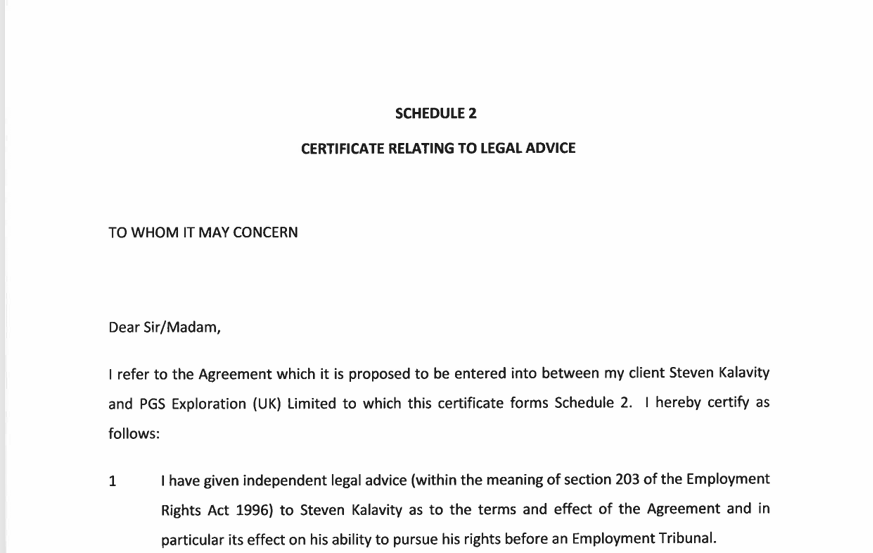
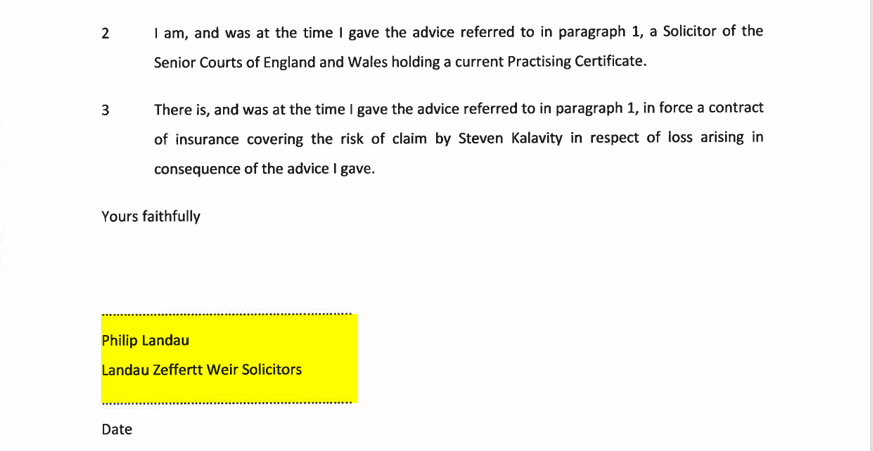
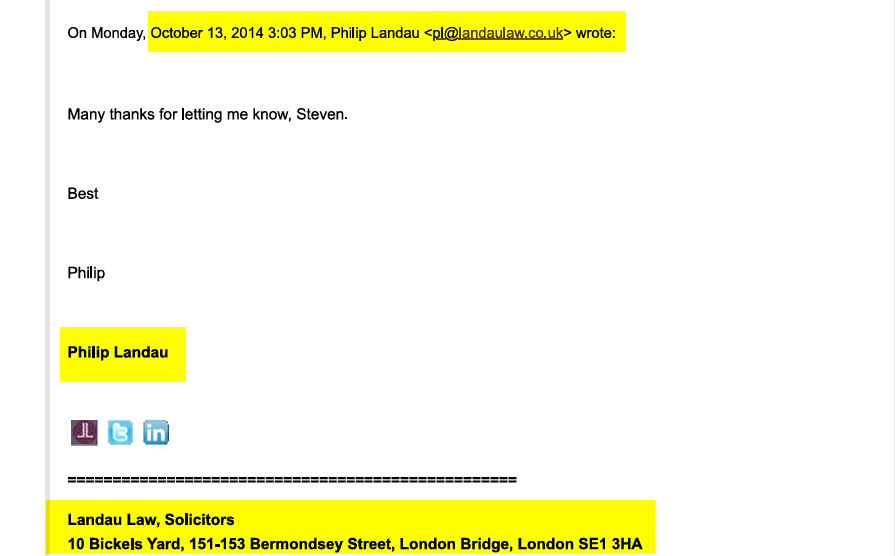
Philip Simon Landau was hired and paid by the Whistleblower as a Legal Advisor.
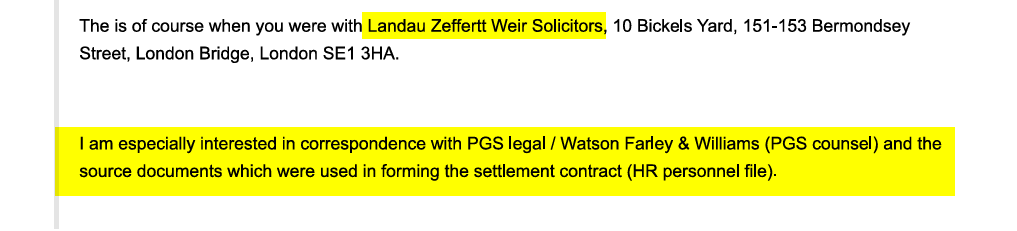
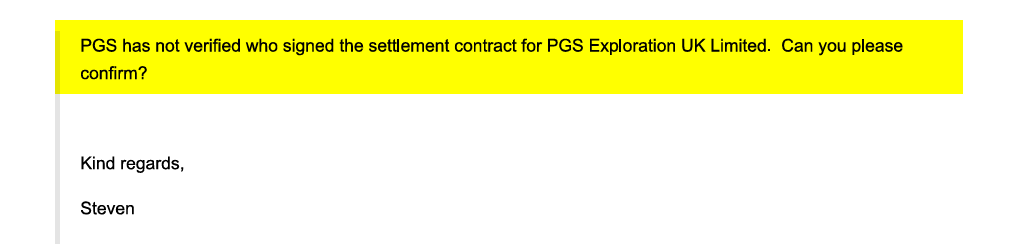
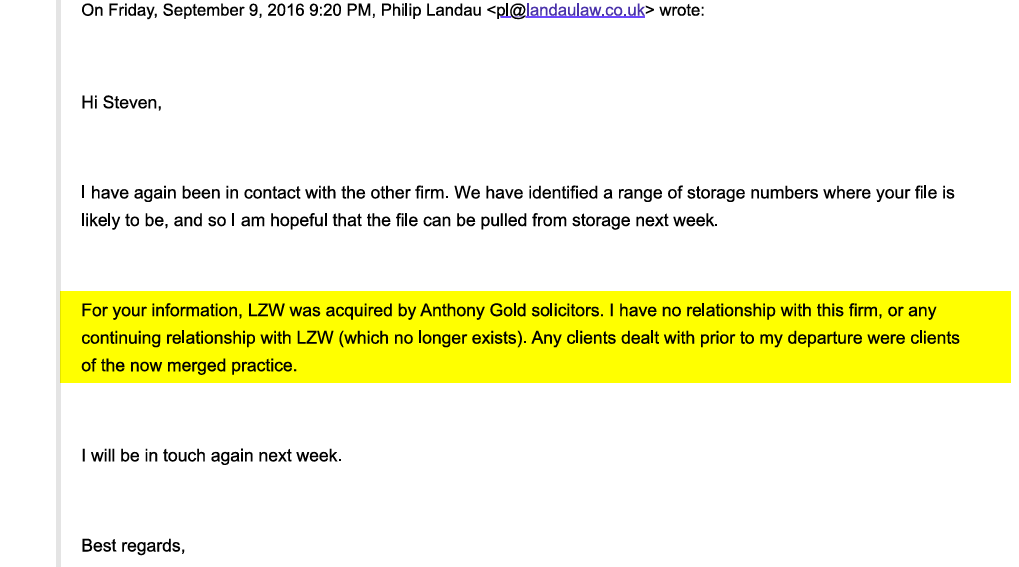
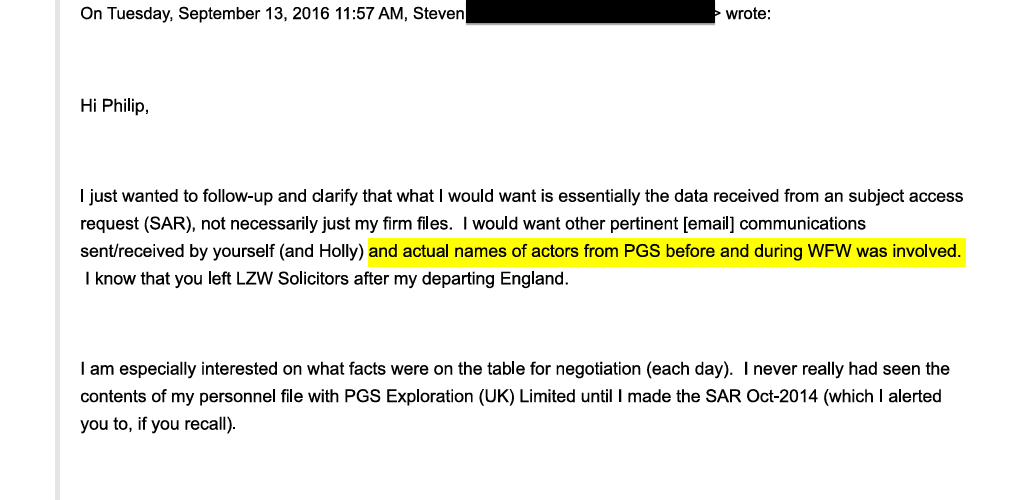
Watson Farley & Williams is legal counsel for the Whistleblower employer and processed the final termination settlement contract.
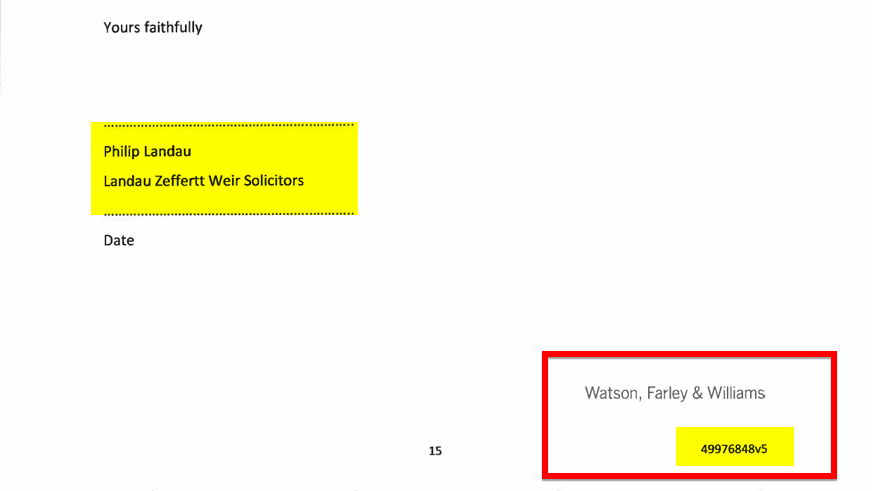
When a UK law firm merges or dissolves, advisors must securely retain client settlement records for the statutory limitation period, typically 6 years, under the Limitation Act 1980. Under the ICO UK GDPR guidelines, they must uphold client confidentiality, securely manage data transfers, and enforce secure disposal afterward.
Responsibilities During a Firm Merger
- Data Controller Accountability: The original firm acts as the data controller and bears the responsibility of managing personal data appropriately during the transaction protecting data during the sale of a law firm.
- Due Diligence: The merging firms must adhere to the ICO Data Sharing Code of Practice by establishing a lawful basis for transferring files and ensuring the successor firm has robust security measures.
- Client Consent & Confidentiality: Client files cannot be freely treated as assets. The Solicitors Regulation Authority (SRA) requires that client confidentiality is maintained, and explicit consent is often necessary before transferring active files to a successor firm SRA guidance on closing down your practice.
Responsibilities During a Firm Dissolution
- Statutory Retention: Client settlement files must be preserved for at least 6 years (or up to 15 years for deeds) to protect against potential professional negligence claims Law Society Guidance on closed files.
- Secure Storage & Minimisation: Under UK GDPR, data should not be kept longer than necessary. Advisers must ensure these closed files are kept highly secure, either by transferring them to an approved storage facility or an alternate authorised firm Law Society advice on managing files.
- Regulatory Reporting: The dissolving firm must formally notify the SRA of the closure, providing details on storage locations and designating a manager whom former clients can contact regarding their files SRA reporting on closures.
The Termination Settlement Contract that was signed 5 December 2013 by the advice of Philip Simon Landau. The terms of termination included reimbursed moving expenses from Weybridge, England to Houston, Texas, USA.
The Whistleblower was technically employed (being paid) through 31 December 2013. There had been plans to visit Denver, Colorado, USA for the Christmas through New Year holiday period and then head to Houston. The Whistleblower did not have a home in Houston to move the family to. Following a period of time, the family got situated and the household goods from England arrived. Once moved in, the Whistleblower submitted expenses to England. Oddly, the human resources (HR) who was implicated in the acts of harassment, discrimination, and defamation, as stated within the 20 September 2013 Grievance document, handled closing out the terms of the Termination Settlement Contract and delivering the money. This was finalized in about April 2014.
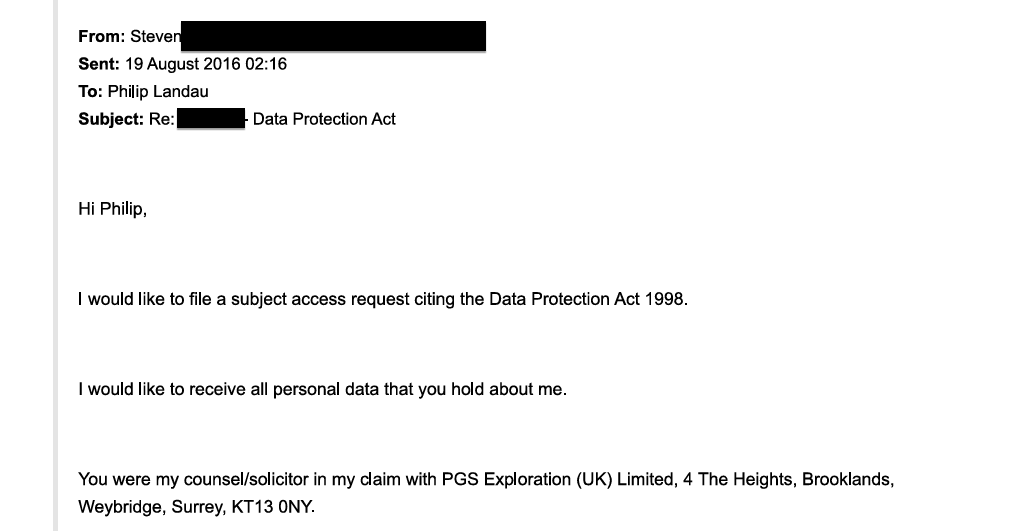
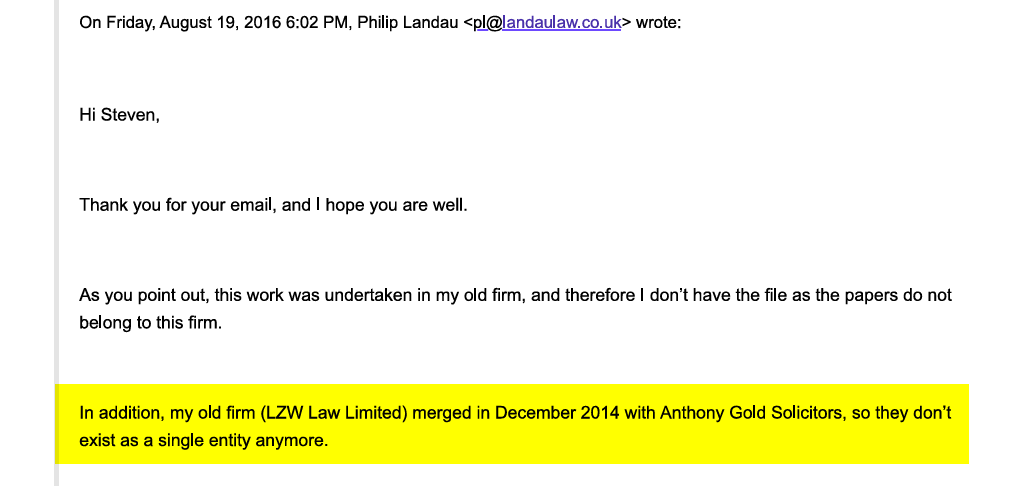
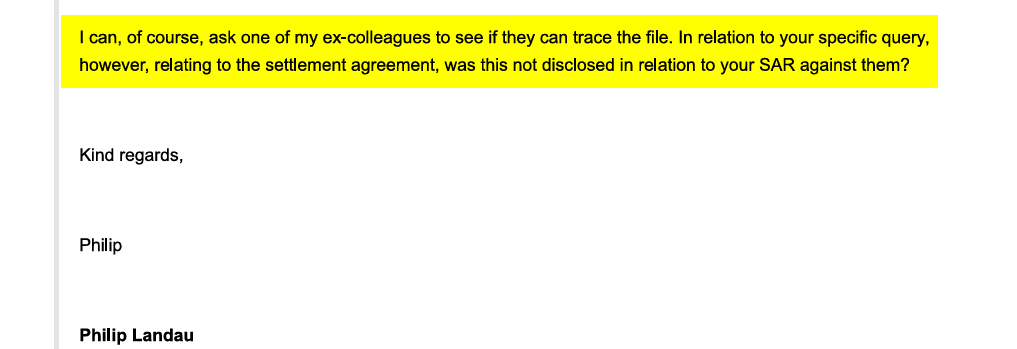
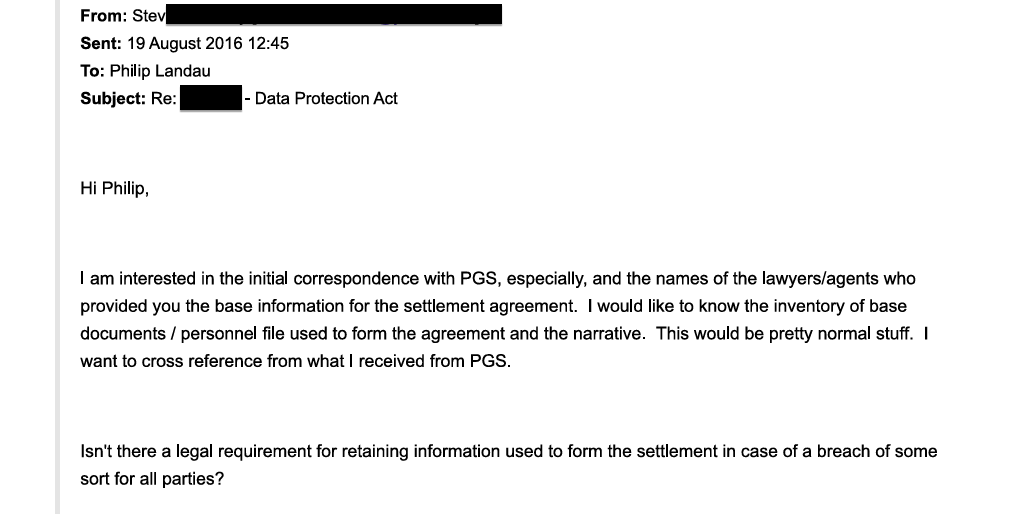
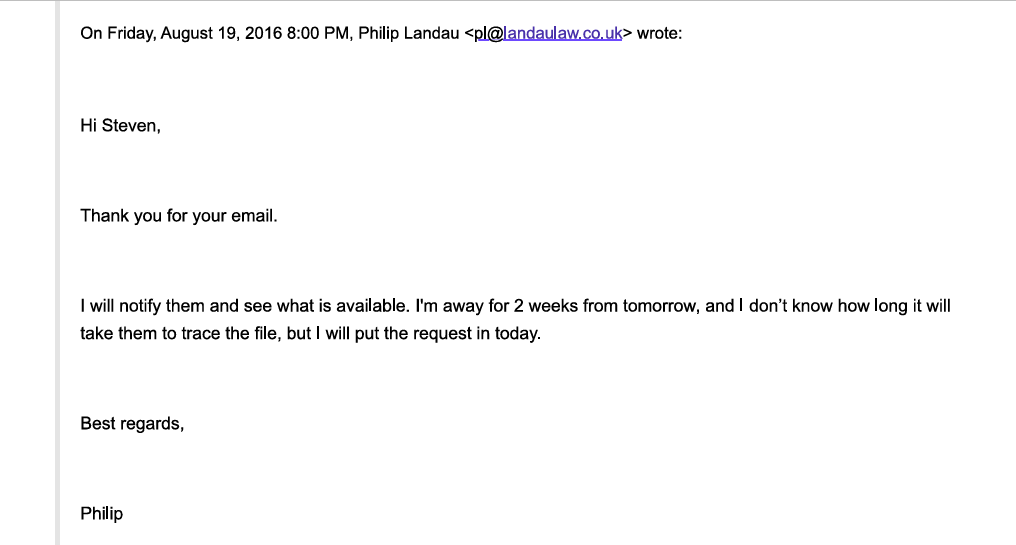
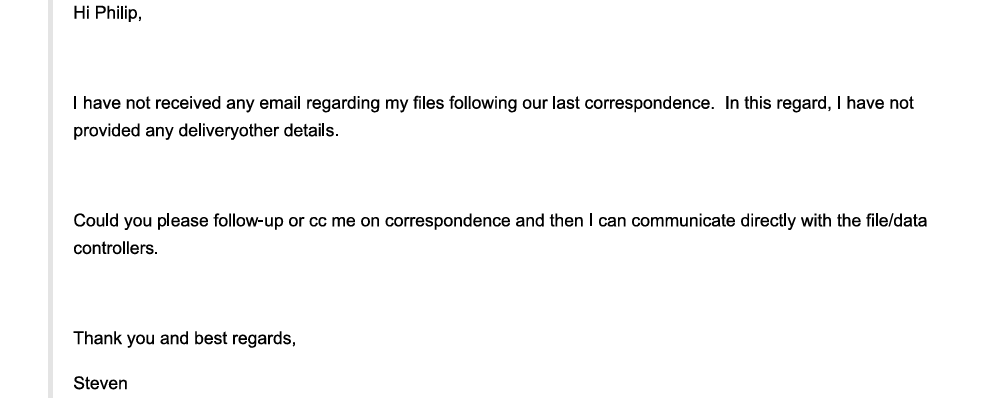
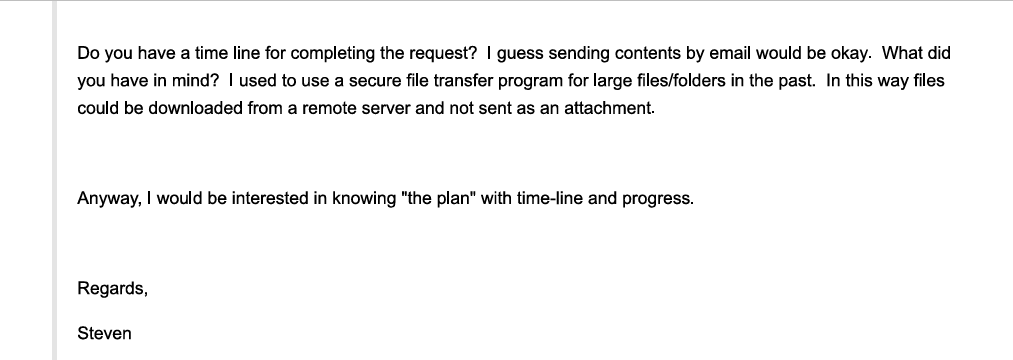
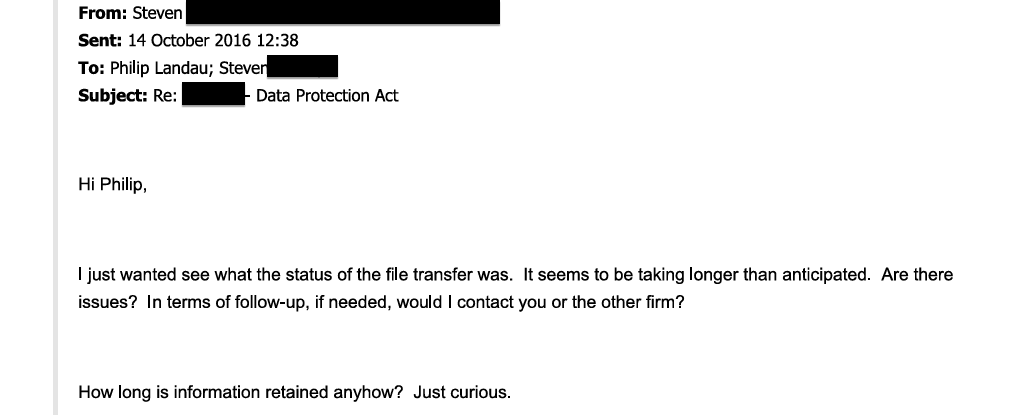
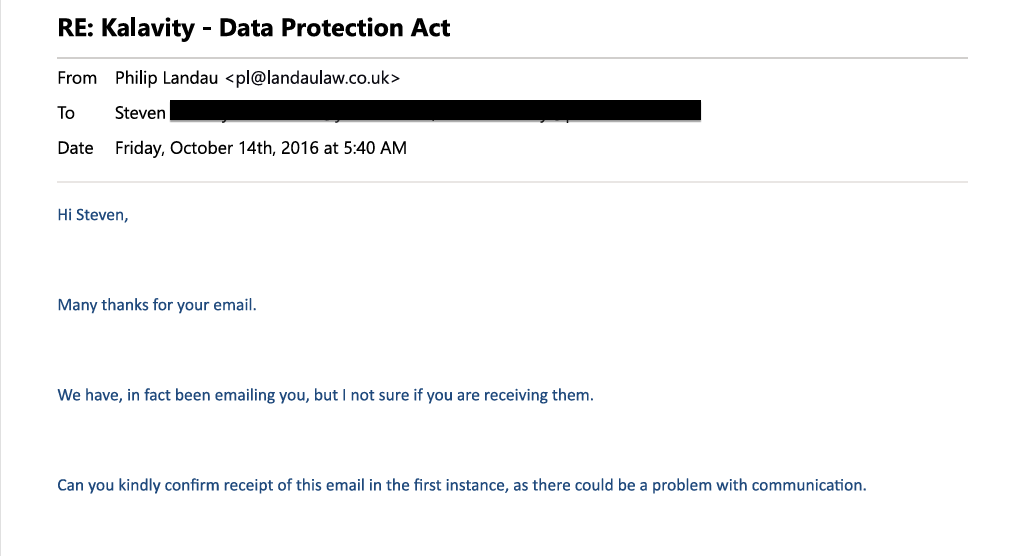
There was no communications between Philip Simon Landau and the Whistleblower prior to the request for the legal file. Philip Simon Landau never confirmed that the Company fulfilled the terms through international removal reimbursement costs.
(Looking back, this was ensurance that the Whistleblower would leave England and not be able to easily pursue legal redress.)
Data Protection Act Subject Access Request Detected Fraud
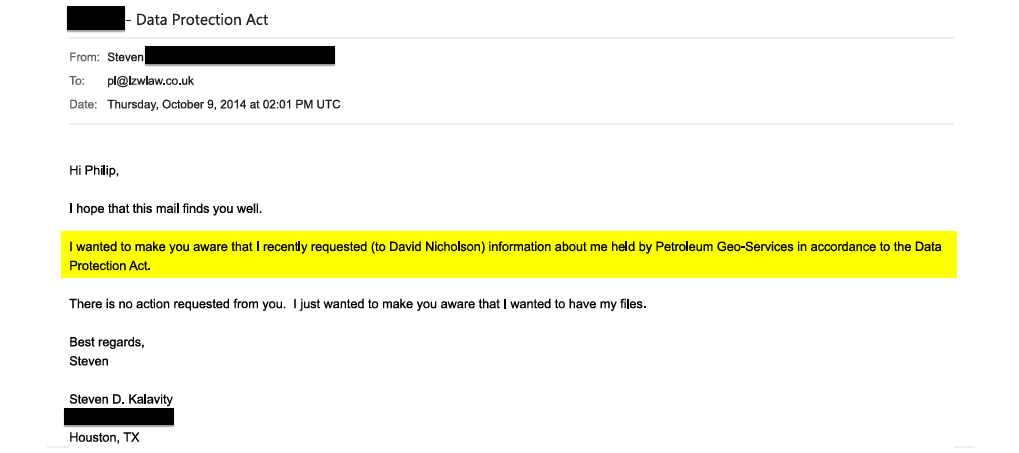
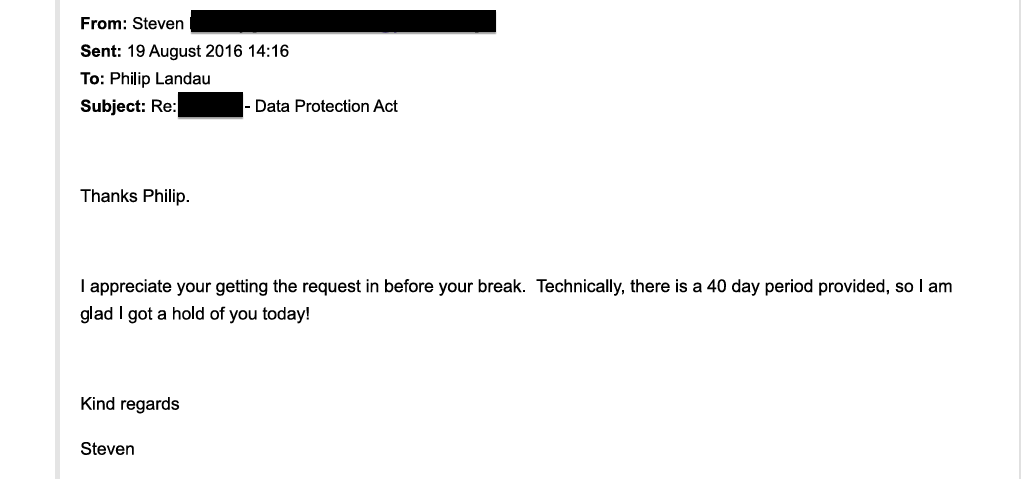
In October 2014, the Whistleblower submitted a subject access request (SAR) citing the Data Protection Act.
zzzz
zzzz
Under UK law, law firms are required by the Solicitors Regulation Authority (SRA) to notify current and former clients of mergers, acquisitions, or closures, and to inform them of how their files and any active undertakings will be handled SRA Firm Closures Guidance. Solicitors owe a continuous duty of care to their clients, even after a firm ceases operating
Solicitors suspended for failing to complete closure. [1, 2, 3]
If your legal advisor’s firm merged, the successor firm typically takes on the liabilities and responsibilities of the previous practice. If the firm dissolved, you may need to track down where your files were transferred or reach out directly to the SRA. [1, 2, 3, 4, 5]
Regarding a Contract Breach
A signed settlement agreement is a legally binding contract under Section 203 of the Employment Rights Act 1996 Settlement Agreement Clauses Explained. The legal consequences depend on who breached the contract: [1, 2]
- Breach by the Advisor: If your concern is that your legal advisor provided negligent advice or mishandled the signing, you can raise a formal complaint with the firm’s complaints partner. If you are unsatisfied, you can escalate the matter to the Legal Ombudsman. [1]zzz
- Breach by the Employer: If the employer fails to pay the agreed settlement sum or violates a term of the agreement, you can pursue a claim for breach of contract in the Employment Tribunal or the civil courts. [1, 2, 3, 4, 5]
- Breach by the Employee: If you are found to be in breach of a term in your agreement (e.g., violating a restrictive covenant or confidentiality clause), your employer may sue you for damages or seek an injunction. [1, 2, 3]
xxxx

zzz
zzzz
zzzz

zzzz


zzzz
zzzz
zzzz
zzzz
zzzz